




The Monsoon Challenge for Your Gut
The rainy season creates a perfect storm for digestive issues. The high humidity in the air can make our digestive processes feel sluggish, leading to bloating, gas, and a feeling of heaviness. This is partly because the body works harder to regulate
its temperature in the damp weather, and according to Ayurvedic principles, the digestive fire, or 'Agni,' naturally weakens during this time. More importantly, the monsoon is a prime season for harmful bacteria and viruses to multiply. Heavy rains can lead to the contamination of water supplies and fresh produce, increasing the risk of gastrointestinal infections like diarrhoea and food poisoning. This combination of a sluggish system and a higher threat of pathogens makes our gut particularly vulnerable during these months.
The Power of Probiotics
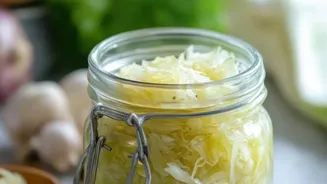
This is where fermented foods come in as a powerful ally. Fermentation is an age-old process where beneficial microorganisms, such as bacteria and yeast, break down food components. The result is a food rich in probiotics—live, friendly bacteria that are crucial for a healthy gut. These good microbes help maintain a balanced gut microbiome, which is the community of trillions of microorganisms living in your digestive tract. A healthy microbiome is essential for proper digestion, absorbing nutrients, and supporting a strong immune system. When you consume probiotics, you are essentially reinforcing your gut's natural defences, helping to crowd out the harmful bacteria that can cause infections, which are more common during the monsoon.
Why Homemade Is Best
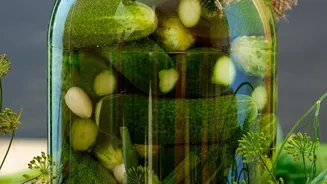
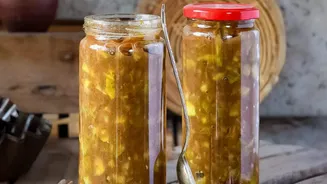
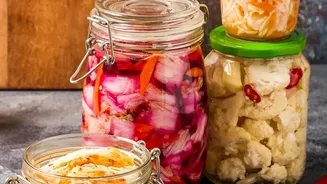
While you can find fermented products in stores, preparing condiments at home offers distinct advantages. When you make your own, you have complete control over the ingredients, avoiding excessive salt, sugar, and preservatives often found in commercial options. Homemade fermented pickles, for example, rely on natural fermentation over time rather than just being soaked in vinegar. This traditional process cultivates a wider diversity of beneficial microbes. Furthermore, homemade ferments are 'live' foods, ensuring you get a fresh and potent dose of probiotics. The process also makes nutrients in the food more bioavailable, meaning your body can absorb them more easily. From a safety perspective, preparing food at home significantly reduces the risk of contamination from unhygienic handling or storage common with outside food, a major concern during the rains.
Traditional Indian Ferments to Try
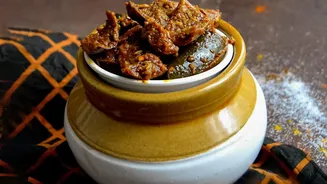
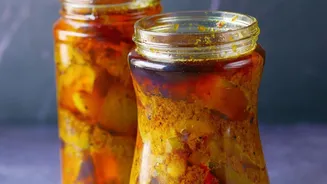
Indian culinary traditions are rich with simple, gut-friendly fermented condiments. Traditional 'achaar' (pickle) made by fermenting vegetables like mango, lemon, or carrots in salt and spices is a classic example. Another excellent option is 'Kanji,' a tangy, probiotic-rich drink made from fermenting black carrots or beetroots with mustard seeds. Even the humble 'dahi' (yogurt) set at home is a powerhouse of probiotics that can be consumed daily. In northeastern states, 'gundruk,' made from fermented leafy greens, is a staple used in soups and side dishes that supports gut health with fibre and beneficial microbes. These condiments don't just add a burst of flavour to your meals; they actively work to support your digestive resilience.
A Note on Safe Fermentation
While making fermented condiments at home is straightforward, following basic hygiene is crucial to ensure you're cultivating the right kind of bacteria. Always start with clean jars, utensils, and hands. Use fresh, high-quality vegetables and non-iodized salt, as iodine can inhibit the growth of beneficial microbes. When fermenting vegetables, ensure they remain submerged under the brine to prevent mould from forming on the surface. Keep your fermenting jars in a cool, dark place and 'burp' them regularly (open the lid briefly) to release the gasses that build up during fermentation. If a ferment develops a foul smell or shows signs of fuzzy, colourful mould, it's best to discard it and start over. When done correctly, home fermentation is a safe and incredibly rewarding way to boost your health.