






More Than Just Summer Rains
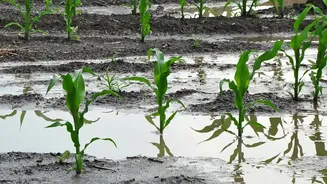
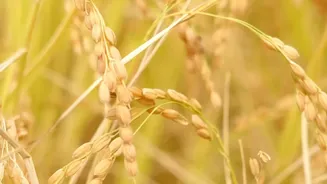
The southwest monsoon, which delivers about 75% of India's annual rainfall, is most famous for its immediate impact on Kharif (summer) crops like rice, cotton, and soybean. However, its true significance extends much further. The monsoon acts as the primary
mechanism for refilling the country's water reserves, a process that is vital for the crops sown months later in the winter, known as the Rabi season. Think of it as the nation's annual water deposit; how much we save during the rainy season directly affects how much we can withdraw during the dry winter months.
The Lifeline of Reservoirs
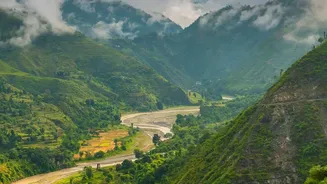
A healthy monsoon fills India's vast network of reservoirs and dams. This stored water is the lifeblood of the Rabi season, which includes essential crops like wheat, barley, mustard, and gram. These crops are planted in October and November and rely heavily on irrigation, especially in regions that receive little to no winter rainfall. When monsoon rainfall is plentiful and well-distributed, reservoirs reach healthy levels. This ensures that farmers have a reliable source of water to irrigate their fields for months after the rains have stopped, supporting the growth of winter harvests that account for nearly half of the country's total food grain production.
Recharging the Land Itself
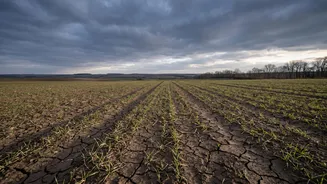
Beyond surface water, the monsoon is critical for replenishing two other invisible but vital resources: soil moisture and groundwater. Consistent, steady rainfall allows water to percolate deep into the ground, saturating the soil and recharging underground aquifers. This stored soil moisture is essential for the germination and early growth of Rabi crops, often reducing the immediate need for irrigation after sowing. A weak or erratic monsoon leaves the soil dry and groundwater levels depleted. This forces a higher dependency on irrigation from already strained reservoirs and can make crop growth more difficult and expensive for farmers.
When the Monsoon Fails
The consequences of a poor monsoon—whether through a deficit in total rainfall or long, dry spells—create a domino effect. Low reservoir levels mean less water is available for winter irrigation, potentially forcing farmers to reduce the area they plant with water-intensive crops like wheat. Insufficient soil moisture can lead to poor germination and stunted crop growth, resulting in lower yields. This was seen in past drought years when below-normal monsoons led to a tangible decrease in the production of major grains. A weak monsoon doesn't just impact the Kharif harvest; it casts a long shadow over the subsequent Rabi season, threatening the second major pillar of India's food production cycle.
From Farm Fields to Your Kitchen
The connection between monsoon performance and winter food supply ultimately reaches every household's budget. A shortfall in Rabi production due to poor water availability leads to lower supply in the market. This imbalance between supply and demand inevitably pushes up the prices of essential commodities like wheat flour (atta), pulses (dal), and cooking oils. Food accounts for a significant portion of household spending in India, and even a marginal increase in these staple prices can contribute to broader food inflation. Therefore, the rains that fall from June to September are not just a weather phenomenon; they are a key economic indicator that helps determine the cost of your meals well into the following year.