
What Exactly Is Arrowroot Flour?
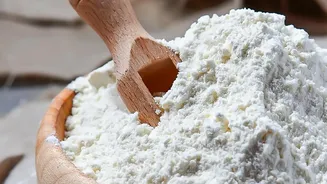
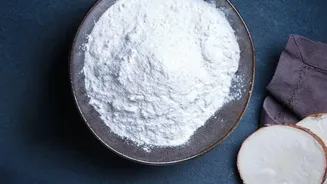
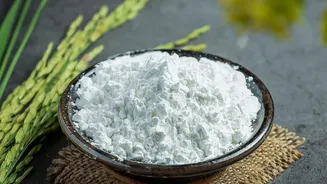
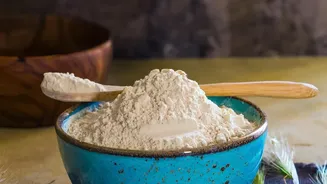
Arrowroot flour, also known as arrowroot powder or starch, is a fine, white powder extracted from the rhizomes of the tropical Maranta arundinacea plant. The process is relatively simple: the tubers are washed, ground into a pulp, and then the starch is separated,
dried, and milled. The result is a flavourless, odourless powder that is naturally gluten-free, grain-free, and paleo-friendly. Unlike cornstarch, which can sometimes come from genetically modified corn and undergo intense chemical processing, arrowroot is often praised for being less processed.
The Secret to Thickening Soups
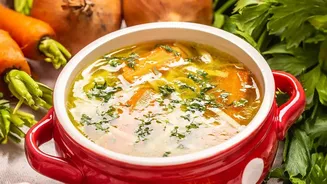
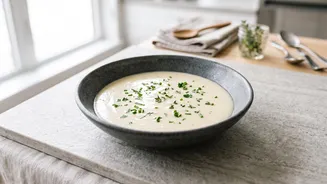
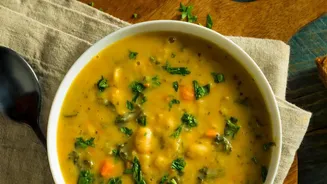
Using arrowroot to thicken vegetable soup—or any hot liquid—is simple, but requires one crucial step to avoid lumps. The key is to create a 'slurry' first. Before adding it to your simmering soup, mix a tablespoon of arrowroot flour with two tablespoons of cold water until it forms a smooth, milky paste. Then, pour the slurry into the hot soup and stir continuously. The soup will begin to thicken almost immediately. Arrowroot thickens at a lower temperature than flour or cornstarch and should be added near the end of the cooking process, as prolonged high heat can cause it to break down and lose its thickening power.
Why Choose It Over Cornstarch?
While both are excellent thickeners, arrowroot has a few distinct advantages. It creates a beautifully clear, glossy finish, whereas cornstarch can sometimes leave sauces looking cloudy or opaque. This makes arrowroot ideal for fruit glazes and delicate sauces where appearance matters. It also has a more neutral taste. Furthermore, arrowroot-thickened mixtures freeze and thaw remarkably well, while cornstarch-based sauces can become watery or separate after freezing, making arrowroot a superior choice for meal prepping. However, it's worth noting that arrowroot doesn't always mix well with dairy, where it can sometimes create a slimy texture; cornstarch is often a better choice for milk-based sauces and custards.
1. Light and Crispy Coatings
Beyond soups, arrowroot is fantastic for creating a crispy coating on fried or baked foods. Dusting vegetables, potatoes, fish, or chicken in arrowroot flour before cooking gives them a light, crunchy exterior. It’s a wonderful gluten-free alternative to a traditional flour dredge. You can mix it with your favourite herbs and spices to create a seasoned coating for anything from homemade chicken nuggets to crispy baked onion rings.
2. Silky Smooth Puddings and Jellies
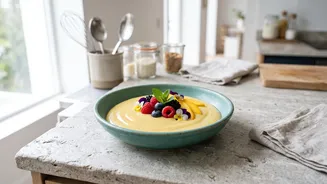
Thanks to its ability to create a clear, glossy gel, arrowroot is perfect for making homemade puddings, jellies, and custards. To make a simple, creamy pudding, just whisk arrowroot flour with coconut milk and a sweetener in a saucepan over medium heat until it thickens. Because it holds up well in acidic ingredients, it's the perfect thickener for fruit pie fillings and glazes, ensuring a beautiful, firm set without cloudiness.
3. Gluten-Free Baking
In the world of gluten-free baking, arrowroot is a valuable player. It's often blended with other gluten-free flours, like almond or coconut flour, to add lightness and structure to cakes, muffins, and cookies. Its binding properties can help prevent baked goods from becoming crumbly, a common issue in gluten-free recipes. Using arrowroot can result in a softer, chewier texture in cookies and a more tender crumb in cakes.
4. Fluffy Pancakes and Waffles
Start your day with light and fluffy arrowroot pancakes. By combining arrowroot flour with a binder like eggs and a liquid like almond milk, you can create a smooth, grain-free batter. These pancakes are not only delicious but also easily digestible, making them a great option for those with sensitive stomachs. The arrowroot helps create a delicate texture that’s a welcome change from heavier wheat-based recipes.
5. A Binding Agent in Savoury Dishes
Arrowroot can also be used as a binding agent in savoury recipes, serving as a gluten-free and sometimes vegan alternative to eggs or breadcrumbs. For instance, you can use it to help hold together veggie burgers, meatballs, or loaves. It provides structure without imparting any competing flavour, allowing the main ingredients of your dish to shine through.