








DO: Hydrate with Safe Water
Staying hydrated is always important, but during the monsoon, the source of your water matters more than ever. The risk of waterborne diseases like cholera, typhoid, and jaundice increases significantly due to contamination of water sources. Make it a rule
to drink only boiled, filtered, or purified water. Avoid drinking water from outside sources unless you are certain of its purity. Carrying your own water bottle is a simple habit that can save you from a lot of trouble.
DON'T: Indulge in Street Food
The temptation of hot pakoras and samosas from a street-side vendor is hard to resist, especially when it’s raining. However, this is the season to be extra cautious. Food prepared in the open is highly susceptible to contamination from flies and dirty water. High humidity also allows bacteria to thrive. To avoid stomach infections and food poisoning, it’s best to enjoy your favourite monsoon snacks prepared fresh in the hygiene of your own kitchen.
DO: Boost Your Immunity
The monsoon season is notorious for the spread of viral fevers, colds, and flu. A strong immune system is your best defence. Incorporate immunity-boosting foods into your diet. Think citrus fruits like oranges and lemons for Vitamin C, ginger and turmeric for their anti-inflammatory properties, and plenty of leafy green vegetables. A warm bowl of soup is not just comforting but also a great way to pack in nutrients.
DON'T: Walk Through Puddles
While it might seem fun to splash around, stagnant rainwater in puddles and flooded streets is a cocktail of germs and bacteria. Wading through these waters can expose you to fungal infections of the feet and nails, as well as more serious diseases like leptospirosis, which is spread through animal urine. If you do get your feet wet, wash them thoroughly with soap and clean water and dry them completely as soon as you get home.
DO: Keep Mosquitoes at Bay
Rainwater collecting in pots, coolers, tyres, and other containers creates the perfect breeding ground for mosquitoes. This leads to a spike in mosquito-borne diseases like dengue, malaria, and chikungunya. Ensure there is no stagnant water around your home. Use mosquito nets, repellents, and wear long-sleeved clothing, especially during the evening, to protect yourself from bites.
DON'T: Wear Damp Clothes or Shoes
Getting caught in a downpour is common, but staying in damp clothes for a long time is a bad idea. It can lower your body temperature and make you susceptible to colds. More importantly, moisture encourages the growth of fungus, leading to skin infections. Always change into dry clothes immediately. Ensure your clothes, especially innerwear and socks, are completely dry before you wear them. Ironing them can help remove any lingering moisture.
DO: Take Care of Your Gut
The digestive system tends to become sluggish during the monsoon. Heavy, oily, and spicy foods can be difficult to digest and may lead to indigestion, bloating, and other gastric issues. Opt for light, easily digestible meals. Include probiotics like dahi (yoghurt) in your diet to maintain healthy gut flora, which is essential for both digestion and immunity.
DON'T: Ignore Electrical Safety
Water and electricity are a deadly combination. Be extremely cautious with electrical appliances during the monsoon. Check for any exposed wires or faulty switches in and around the house and get them fixed by a professional. Avoid touching switches with wet hands. In case of heavy rain and waterlogging, it’s wise to turn off the main power supply to prevent short circuits and electric shocks.
DO: Drive Cautiously and Prep Your Vehicle
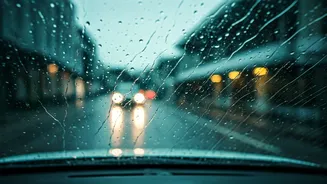
Roads become slippery and visibility is often poor during heavy rains, increasing the risk of accidents. Drive slowly, maintain a safe distance from the vehicle ahead, and avoid sudden braking. Before the season kicks in, get your car checked. Ensure your tyres have good tread, your brakes are working perfectly, and your windshield wipers and headlights are in top condition. Avoid driving through waterlogged areas as your vehicle could stall.
DON'T: Touch Walls with Damp Patches
Damp patches on walls are a common sight in many homes during the monsoon. These spots are not just an aesthetic problem; they can also be a safety hazard. Moisture seeping into walls can sometimes come into contact with internal electrical wiring, making the wall a conductor of electricity. Avoid touching these damp patches, and if you have them, it’s a good idea to have an electrician inspect the area for any potential risk.