






The Backbone of Your Itinerary
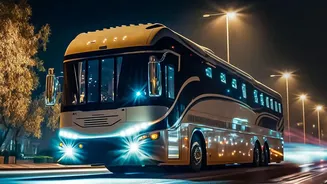
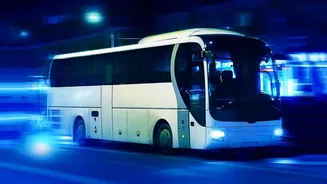
The Vietnamese sleeper bus is a game-changer for budget travel. Instead of upright seats, these long-distance coaches are fitted with two levels of reclining bunk beds. For a fraction of the cost of a flight or train, you can cover vast distances overnight,
effectively combining your transportation and accommodation into one. Journeys that would consume an entire day are completed while you sleep, meaning you arrive in a new city with a full day of exploring ahead. Prices for a standard bunk on a popular route can range from approximately $10 to $25, making it an incredibly efficient use of a limited travel fund.
An Open Ticket to Adventure
What makes the bus system particularly effortless is the popular 'open bus ticket' system. Many companies offer hop-on, hop-off tickets valid for up to a month, covering the classic route from Hanoi in the north to Ho Chi Minh City in the south (or vice-versa), with stops in key destinations like Hue, Hoi An, Nha Trang, and Da Lat. This flexibility allows travelers to decide how long they want to stay in each location without being locked into a rigid schedule. You simply book your seat a day or two in advance and climb aboard. Booking can often be done online through platforms that cater to English speakers or directly through your hostel.
More Than Just a Bed
Complementing the bus network is Vietnam’s vibrant and affordable hostel scene. A dorm bed can cost as little as $5-$8 per night, and even private rooms in hostels are often cheaper than hotels. But their value extends far beyond the price. Hostels are social hubs where you can meet fellow travelers, share tips, and join organized tours. Many offer free breakfast, cheap laundry services, and a 24-hour reception, which is perfect for those arriving on early morning or late-night buses. They are a crucial part of the support system that makes solo or first-time travel in the country so accessible.
A Seamless and Supportive System
The real magic happens in how these two elements work together. Bus companies often have pickup and drop-off points conveniently located in the main backpacker areas, sometimes just steps from major hostels. Furthermore, hostel staff are usually more than willing to book your next bus ticket for you, often at no extra charge. This creates a simple, self-sustaining loop: arrive on a bus, check into your hostel, explore the city, have the hostel book your next bus, and repeat. This removes much of the logistical stress and language barriers that can complicate travel in a foreign country, making the entire journey feel surprisingly fluid.
The Reality of the Ride
Of course, 'effortless' doesn't always mean luxurious. Standard sleeper buses can feel cramped, especially for taller travelers. The air conditioning can be aggressive, and the roads can be bumpy, making a perfect night's sleep a challenge. Most standard buses don't have onboard toilets, instead making rest stops every few hours at basic roadside stations. For more comfort, many companies now offer 'VIP' or 'cabin' buses with wider, more private bunks, personal charging ports, and sometimes even a small restroom, for a slightly higher price. It's a trade-off between cost and comfort, but even the most basic option gets the job done efficiently.
Tips for a Smooth Journey
To make your experience as smooth as possible, a little preparation goes a long way. Book bus tickets a day or two in advance, especially on popular routes or during peak season. Choose a lower bunk if you're prone to motion sickness, as it offers a more stable ride. Pack a small bag with essentials like water, snacks, a portable charger, headphones, and an eye mask. And since you'll be asked to remove your shoes before boarding, wearing socks can make moving around more comfortable. Finally, keep your passport, phone, and wallet in your small carry-on bag with you at all times.