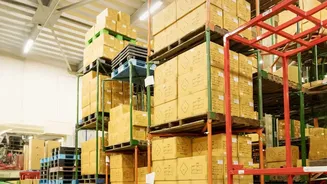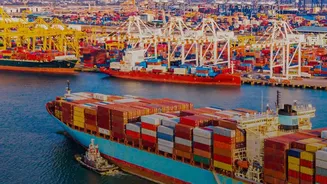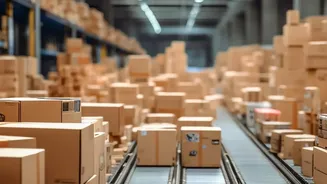








The annual festive hiring rush is on, but this year, the real story isn't just about more hands for packing boxes. It's a strategic shift. Warehousing giants are moving beyond metros, and they're not just hiring—they're upgrading their workforce.
The Great Migration: Beyond the Metros
For years,
the backbone of India's e-commerce logistics was concentrated around major metros like Mumbai, Delhi-NCR, and Bengaluru. But a quiet revolution is reshaping the map. Warehousing and fulfilment centres are increasingly setting up shop in Tier-II and Tier-III cities like Lucknow, Coimbatore, Nagpur, Jaipur, and Bhubaneswar. This isn't a random sprawl; it's a calculated move. As online shopping booms across the country, companies need to be closer to their customers to ensure faster deliveries and lower logistics costs. Reports show that these emerging cities are not just satellite branches but are becoming crucial hubs, accounting for a significant and growing share of the nation's total warehousing stock. This decentralisation eases the pressure on overloaded metro infrastructure and allows for a more resilient, regionally diversified supply chain.
More Than Muscle: The New Skill Set
The modern warehouse is less about manual labour and more about technological precision. The demand is no longer just for pickers and packers, but for a new class of skilled professionals who can manage and maintain highly automated systems. Job listings now frequently call for 'Automation Technicians', 'Warehouse Management System (WMS) Consultants', and 'Logistics Analysts'. These roles require expertise in managing software that optimises inventory, operating robotic sorting systems, and maintaining automated storage and retrieval systems (ASRS). Even traditionally operational roles now have a strong digital layer, requiring comfort with handheld scanners, digital workflows, and data dashboards to track everything from order backlogs to return rates. Companies are seeking professionals skilled in PLC programming, SCADA systems, and data analytics to keep these complex operations running smoothly.
Drivers of the Shift
Several powerful forces are fuelling this dual shift in geography and skills. Firstly, the economics are compelling; the cost of real estate and labour is significantly lower in smaller cities. Secondly, India's expanding digital consumer base is no longer confined to the metros. E-commerce and quick-commerce platforms are seeing rapid growth in Tier-II and III markets, making local fulfilment centres a necessity, not a luxury. Thirdly, significant government investment in infrastructure, through initiatives like the National Logistics Policy and PM Gati Shakti, is improving road and rail connectivity to these once-remote locations, making them viable logistics hubs. This combination of lower costs, proximity to new customers, and better infrastructure has created a perfect storm for warehousing expansion beyond the traditional hubs.
What This Means for Job Seekers
This evolution presents a massive opportunity for the Indian workforce, especially for those living outside major urban centres. The logistics sector is rapidly transforming from a fragmented, manpowerstensive industry into an integrated, technologydriven ecosystem. For job seekers, this means the emergence of new, stable career paths that go beyond temporary, seasonal roles. There is a growing demand for roles like darkstore inventory controllers, returns specialists, and marketplace operations professionals. However, it also signals a critical need for upskilling. While technology is creating jobs rather than eliminating them, the nature of these jobs is changing. Aspiring logistics professionals now need a blend of operational knowledge and digital fluency. Those who can manage data, understand automation, and oversee complex software systems will be in the highest demand as the warehouses of the future become a reality across India.