




Deconstructing an Advanced Pose
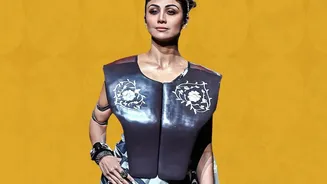
Shilpa Shetty was recently seen demonstrating Gupta Padmasana, or the Hidden Lotus Pose. This is not your average cross-legged seat. It's an advanced posture that begins in Padmasana (Lotus Pose), where each foot is placed on the opposite thigh. From
there, the practitioner bends forward, sometimes binding the hands behind the back or resting the body prone on the floor. The pose is called 'Hidden' because the legs in their lotus formation are tucked beneath the torso. This requires an immense degree of flexibility in the hips, knees, and ankles, alongside significant core and back strength. It is considered a deep meditative posture, intended to calm the nervous system and improve focus, which explains its appeal for seasoned practitioners.
The Power of a 'Basic' Foundation
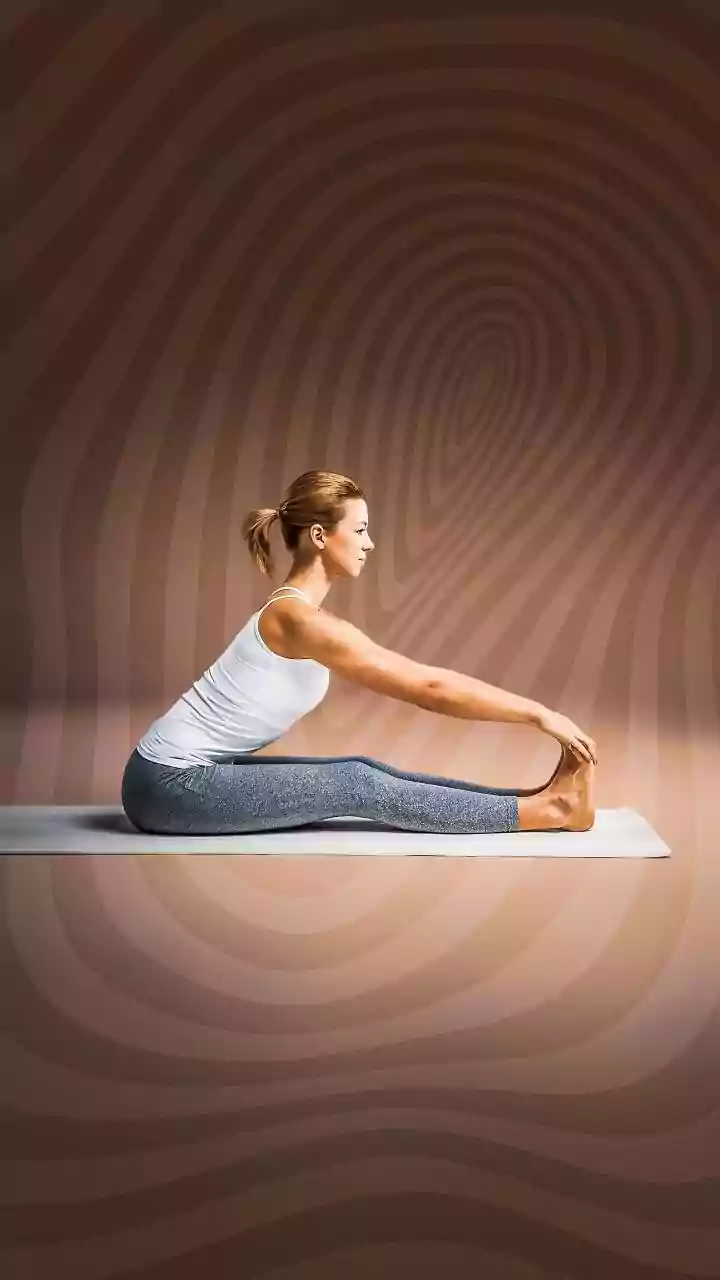
In the world of yoga, 'basic' does not mean 'easy' or 'lesser'. It means foundational. Poses like Sukhasana (Easy Pose), Tadasana (Mountain Pose), and simple forward folds are the building blocks of a safe and sustainable practice. These postures teach the fundamentals of alignment, breath control, and body awareness. For instance, practicing Easy Pose helps to gradually open the hips, while Mountain Pose establishes correct posture from the ground up. Without mastering how to ground your feet, lengthen your spine, and engage your core in these simpler shapes, attempting a complex pose like Hidden Lotus is not only difficult but also risky. The basics are where you build the strength and stability that make advanced postures possible one day.
Why the Journey from Basic to Advanced Matters
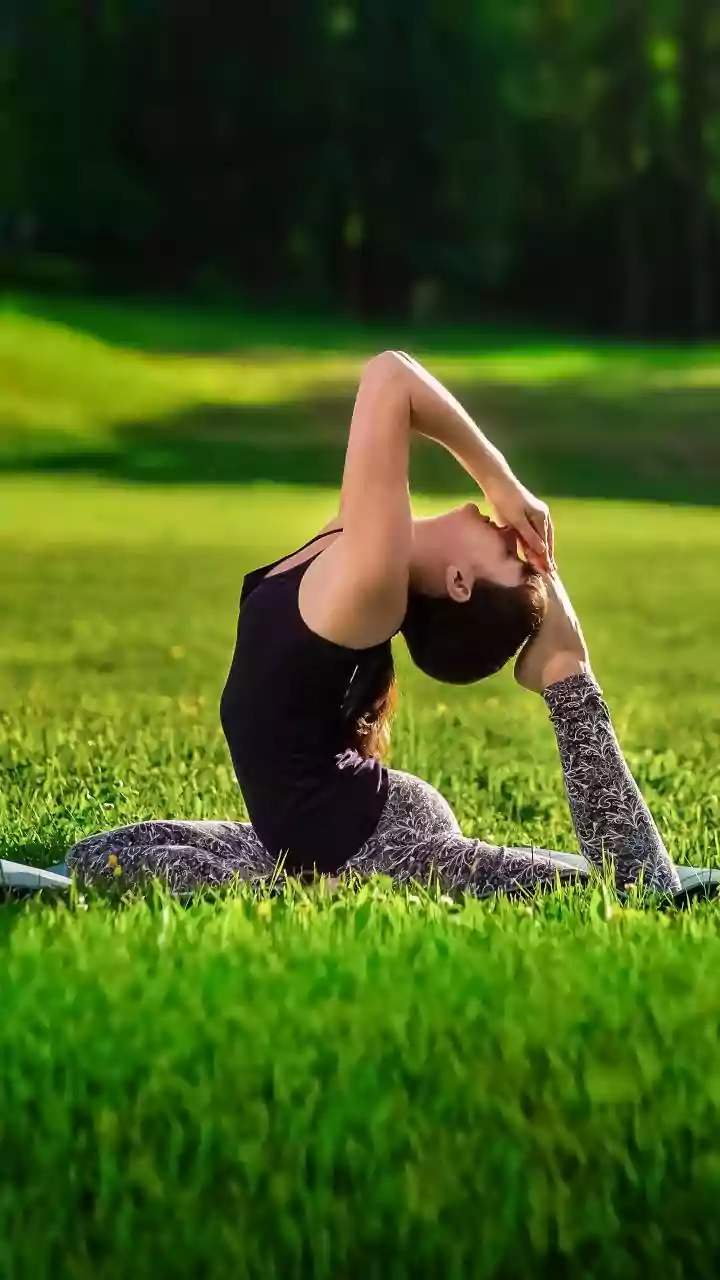
The gap between a beginner sitting in Easy Pose and an expert like Shilpa Shetty holding Hidden Lotus is bridged by one thing: consistent, patient practice. Rushing into advanced asanas without adequate preparation is one of the primary causes of yoga-related injuries. Studies have shown a rise in injuries from yoga, with sprains and strains to the trunk, hips, and knees being common. Poses that require extreme flexibility, such as lotus variations and deep backbends, carry a higher risk if the body isn't conditioned. The 'yoga ego'—the desire to achieve a picture-perfect pose seen online—can lead practitioners to push past their limits, ignoring the body's warning signals like sharp or pinching pain. This is why even Shilpa Shetty herself has cautioned practitioners to avoid forcing the pose and to listen to their bodies.
The Benefits of Deep Practice
So, why would anyone work towards such a challenging posture? The benefits of advanced yoga go beyond the physical. While Baddha Padmasana (Bound Lotus, a related pose) stretches the shoulders, ankles, and hips and can improve posture, its main rewards are often considered to be internal. Such deep, focused postures are said to enhance concentration, calm the nervous system, and cultivate a profound sense of inner peace, making them powerful tools for meditation. They stimulate various internal organs and are believed to improve the flow of energy throughout the body. The physical challenge requires complete mental focus, effectively quieting the mind's chatter and bringing you into the present moment.
How to Progress Safely on Your Mat
Inspired to deepen your practice? The key is progression, not perfection. Start by building consistency with foundational poses. Focus on your breath; if you can't breathe smoothly, you're likely pushing too hard. To work towards a pose like Hidden Lotus, you must first be comfortable in Padmasana (Lotus Pose), which itself requires significant hip opening. Preparatory poses like Baddha Konasana (Bound Angle Pose), Agnistambhasana (Fire Log Pose), and Gomukhasana (Cow Face Pose) are excellent for increasing hip flexibility safely over time. Using props like blocks and straps can help you achieve proper alignment without strain. Most importantly, consider working with a qualified teacher who can provide personalised feedback and modifications, ensuring your yoga journey is both rewarding and safe.