





The Great Monsoon Migration
For many, the Indian monsoon is a time to escape to the hills, but this year, that dream is fraught with peril. Heavy rainfall warnings and red alerts have been issued for states like Himachal Pradesh and Uttarakhand, with significant risks of landslides
and flash floods on key tourist routes. The India Meteorological Department (IMD) has forecast intense monsoon activity, prompting authorities to advise against unnecessary travel to popular destinations like Shimla, Kullu, and Nainital, which are grappling with saturated soil and swollen rivers. This widespread disruption has led to a major shift in travel patterns, as tourists and pilgrims are now actively searching for destinations that offer mountain beauty without the monsoon risk.
High and Dry: The Rain Shadow Advantage
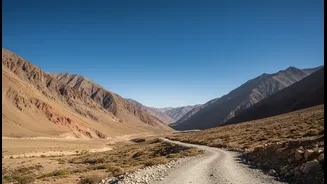
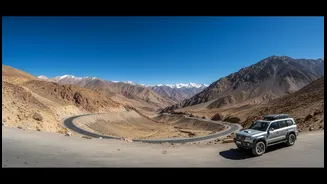
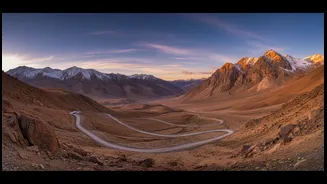
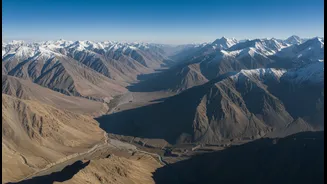
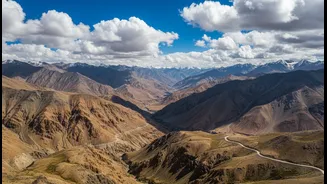
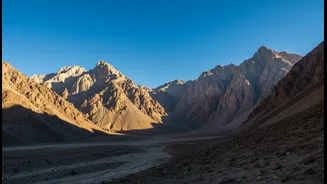
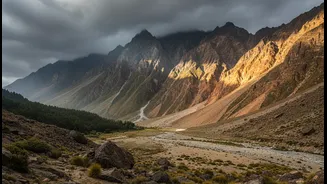
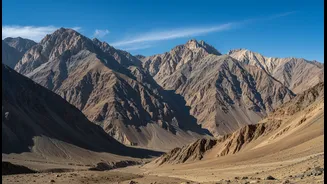
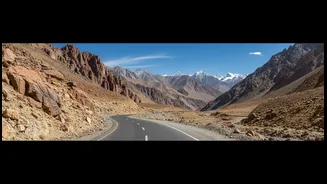
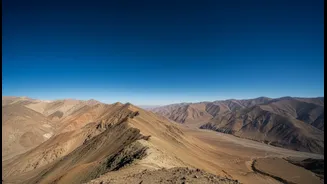
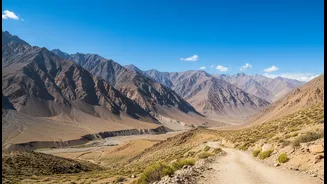
Enter Spiti Valley and Ladakh. These high-altitude regions, nestled in the Trans-Himalayas, are geographically unique. They lie in a 'rain shadow,' a phenomenon where the towering Himalayan ranges block most of the moisture-laden monsoon clouds from the south. While the rest of the country is drenched, these areas receive minimal rainfall, offering dry roads, clear skies, and a safe haven for travellers. This climatic advantage makes them ideal for road trips, trekking, and sightseeing during the very months when other mountain areas are virtually off-limits, transforming them into prime real estate for monsoon tourism.
A Record-Breaking Rush
The search for safe passage has translated into unprecedented tourist numbers. Ladakh, in particular, has witnessed a historic tourism boom in 2026. In the first six months of the year, the Union Territory welcomed over 2.25 lakh visitors, with June alone seeing a 43% increase in arrivals compared to the previous year. This surge is attributed to improved connectivity, better infrastructure, and a focused effort to promote Ladakh as a year-round destination. While specific 2026 data for Spiti is less consolidated, its reputation as a monsoon-proof alternative has similarly led to a significant spike in visitor footfall, with both destinations now grappling with the pressures of their newfound popularity.
The Perils of Popularity
This record-breaking influx is a double-edged sword. The surge in visitors is placing immense strain on the fragile ecosystems and limited infrastructure of these cold deserts. Reports from previous years highlight the growing problems of overtourism, including traffic congestion on narrow mountain roads, water shortages, and a mounting crisis of plastic and solid waste that local municipalities struggle to manage. The serene landscapes that attract travellers are now threatened by the very volume of people coming to see them. The unique local cultures, particularly in Ladakh, are also under pressure as traditional houses make way for hotels and resorts to cater to the demand.
Navigating the New Reality
For travellers planning a trip, this new reality requires careful consideration. While Ladakh offers greater accessibility with its airport in Leh and more developed tourist facilities, it also bears the brunt of the crowding. Spiti Valley, accessible via a long road journey from either Manali or Shimla, offers a more rugged and remote experience but comes with its own challenges, including tougher road conditions. Regardless of the choice, the message from environmentalists and local communities is clear: travel responsibly. This includes minimizing plastic use, respecting local customs, and understanding that your visit has a direct impact on these delicate environments.