
How Microwaves Actually Cook Food
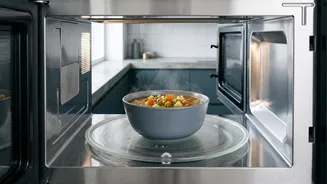
A microwave oven doesn't use heat in the traditional sense. Instead, it uses high-frequency electromagnetic waves, similar to radio waves but more powerful. Inside the oven, a component called a magnetron generates these waves. These waves primarily interact
with the water molecules in your food. Water molecules are dipoles, meaning they have a positive and a negative end, like tiny magnets. The rapidly oscillating electromagnetic field causes these water molecules to flip back and forth millions of times per second. This frantic movement creates friction, which generates heat and cooks the food. It's a process called dielectric heating, and it's why foods with high water content often heat up very quickly.
The Mystery of Uneven Temperatures
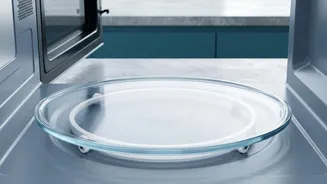
The most common complaint about microwave cooking is the dreaded hot and cold spots. This happens for two main reasons. First, the microwaves bounce off the metal interior of the oven, creating an uneven energy field with areas of strong and weak intensity, known as standing waves. This is why most microwaves have a rotating turntable—to move the food through these different energy zones for more even exposure. Secondly, the waves themselves can only penetrate food to a certain depth, typically just a few centimetres. This means the outer layers get most of the energy first, leaving the centre to be heated by conduction, where heat slowly spreads from the hotter outer parts. If you place food directly in the centre of the turntable, it might not move enough to escape a cold spot.
Why Food Texture Can Go Wrong
Soggy, rubbery, or dry textures are another frequent side effect of microwave cooking. This is also linked to how microwaves interact with water. The process rapidly turns water into steam. When this steam is trapped, it can make crispy foods, like breaded items or pastries, go soggy. Conversely, if the steam escapes too quickly, it can lead to dehydration, resulting in a dry, rubbery texture, especially in foods like chicken or rice. The intense internal steam pressure can also disrupt the food's structure on a microscopic level, leading to toughening, particularly in starchy foods like breads and baked goods.
Tips for Better Microwave Cooking
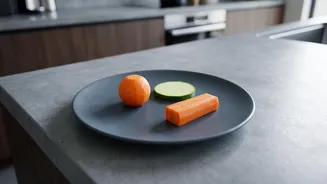
Understanding the science unlocks better results. To combat uneven heating, arrange food in a ring on the plate, leaving the centre empty. This allows the microwaves, which are often more effective on the outer edges, to cook the food more evenly. Placing your container slightly off-centre on the turntable can also help. For dense foods like rice or curries, stir them halfway through the cooking time to redistribute heat. To prevent sogginess or drying out, cover your food with a damp paper towel or a microwave-safe lid; this traps some steam to keep food moist without making it soggy. Adding a small splash of water to leftovers like rice or pasta before heating can also revive their texture.
The Importance of 'Standing Time'
Many microwave instructions mention letting the food “stand” for a minute or two after cooking, and this step is more important than you might think. Standing time is essentially carryover cooking. After the microwave stops, the molecules in the food are still vibrating and generating heat. This resting period allows the heat from the hotter outer layers to continue penetrating and spreading to the cooler centre of the food, equalizing the temperature throughout the dish. This not only ensures your food is evenly heated but also helps to eliminate any cold spots where bacteria could potentially survive, making it a crucial step for food safety. A good rule is to let food stand for about one to three minutes before eating.