



The Problem with Crowded Roots
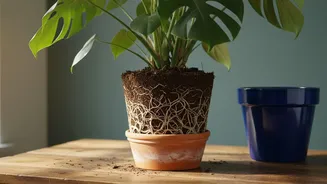
When a plant lives in the same pot for a long time, its roots continue to grow. Eventually, they can run out of space and start to circle the inside of the container. This condition is known as being "root-bound" or "pot-bound." When this happens, the pot contains
more roots than soil, creating a dense, tangled mass. This is a problem because the plant can no longer get what it needs to thrive. There isn't enough soil to hold water and essential nutrients, and the compacted roots struggle to absorb what little is available. This can lead to the plant effectively starving, even if you are watering and feeding it regularly.
Spotting the Warning Signs
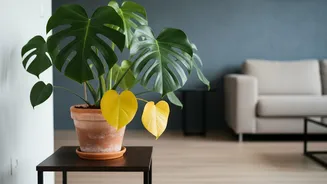
You don't always have to unpot a plant to know it's in trouble. There are several clues you can spot above the soil. One of the most common signs is stunted or slowed growth, especially during the growing season. You might notice that new leaves are smaller than older ones. Another tell-tale sign is water running straight through the pot and out the drainage holes when you water it; this happens because the dense root mass leaves no soil to absorb the moisture. Other symptoms can mimic underwatering, such as yellowing or browning leaves, wilting, and leaf drop, even with regular care. In severe cases, you might even see roots pushing up through the top of the soil or growing out of the drainage holes at the bottom.
How to Perform the Definitive Check
While the visible signs are helpful, the only way to be certain your plant is root-bound is to look. Don't worry, this is easier than it sounds. For best results, water your plant a day or so before you plan to check it; this helps the soil and root ball slide out more easily. To inspect the roots, turn the pot on its side, hold the plant by the base of its stems, and gently try to slide it out. If it's stuck, you can tap the sides and bottom of the pot or gently squeeze a flexible plastic pot to loosen it. If it's really stubborn, you can run a knife around the inside edge to separate the root ball from the pot. Once it's out, you'll know immediately if it's root-bound. Instead of loose soil, you will see a dense web of roots, often wound in the circular shape of the pot.
Fixing a Root-Bound Plant
If you've discovered a tangled mass of circling roots, it's time to take action. The goal is to encourage the roots to grow outwards into the new soil, not to continue circling. Start by gently massaging the root ball with your fingers to loosen the outer roots. Don't be afraid to be firm, but gentle, and tease them apart. For severely root-bound plants where the roots are too dense to untangle by hand, you may need to take a more direct approach. Using a clean, sharp knife or shears, make a few shallow vertical cuts (about an inch deep) down the sides of the root ball. This breaks the circling pattern and stimulates new root growth outwards into the new pot. You can also gently trim away the mat of roots that often forms at the very bottom.
Repotting for a Fresh Start
Once you've loosened the roots, your plant is ready for its new home. Choose a new pot that is only about 1-2 inches wider in diameter than the old one. Going too large can lead to excess soil staying wet, which can cause root rot. Ensure the new pot has drainage holes. Add a layer of fresh potting mix to the bottom of the new pot, place your plant in the center, and fill in the sides with more soil. The top of the root ball should sit at about the same level it did in the old pot, not buried deeper. Gently firm the soil but don't pack it down too tightly, as roots need oxygen. After repotting, give the plant a thorough watering until it runs out the bottom, and place it back in its usual spot.