






Prioritise Ventilation
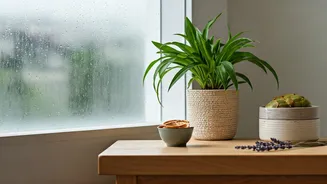
The first and most crucial step is to improve air circulation. [11] Stagnant, moist air is the primary cause of musty smells and provides a perfect breeding ground for mould. [5, 14] Whenever the rain lets up, open windows and doors to allow for cross-ventilation.
[3] Using fans, especially exhaust fans in kitchens and bathrooms, can also significantly help push stale, humid air out and draw fresh air in. [11, 14] For enclosed spaces like walk-in closets, a small, strategically placed fan can make a world of difference. [7]
Let the Sunshine In
Never underestimate the power of sunlight. The sun's ultraviolet rays are a natural disinfectant that can help kill mould spores and dry out dampness. [10] On sunny or dry days, make it a point to open your curtains and blinds to let as much light in as possible. [10] This is also a good time to air out rugs, cushions, and other furnishings that may have absorbed moisture. If you’ve been forced to dry clothes indoors, letting them get a final blast of sunshine can eliminate any lingering damp smells. [4, 9]
Harness Natural Dehumidifiers
You don't need to buy an expensive machine to combat humidity. Several common household items work wonders as natural dehumidifiers. Bowls of rock salt or baking soda placed in damp corners, cupboards, or on shelves can absorb excess moisture from the air. [8, 20] Once the baking soda hardens or you see water collecting in your salt bowl, it's time to replace them. [20, 24] For a more powerful option, activated charcoal is highly effective at absorbing both moisture and odours. [3, 19] Place charcoal briquettes in a container or breathable bags in areas like basements or wardrobes. [23, 26]
Be Vigilant with Wardrobes and Fabrics
Closets and wardrobes are hotspots for musty smells, as clothes can trap moisture and mildew can grow in the dark, enclosed space. [4] Ensure clothes are completely dry before putting them away. [9] Placing moisture absorbers like silica gel packets or camphor inside cupboards can keep them fresh. [8, 18] Camphor, a traditional Indian remedy, not only absorbs moisture but also repels insects like silverfish. [18, 19] You can place a few camphor balls in small muslin pouches and tuck them into the corners of drawers and closets. [18]
Focus on Kitchens and Bathrooms
These two areas are naturally prone to high moisture. Always use the exhaust fan during and after cooking or showering. [7, 11] Regularly clean drains and wipe down surfaces to prevent buildup. In the kitchen, a simple trick to combat cooking smells that linger in damp air is to boil a pot of water with citrus slices and spices like cloves or cinnamon sticks. [2] In the bathroom, make sure to spread out towels after use so they can dry properly and don't leave wet towels in a pile. [7]
Embrace Natural Scents
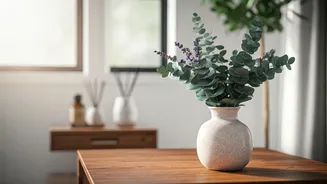
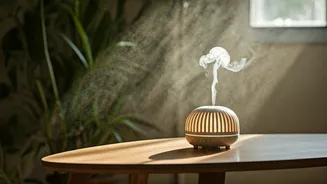
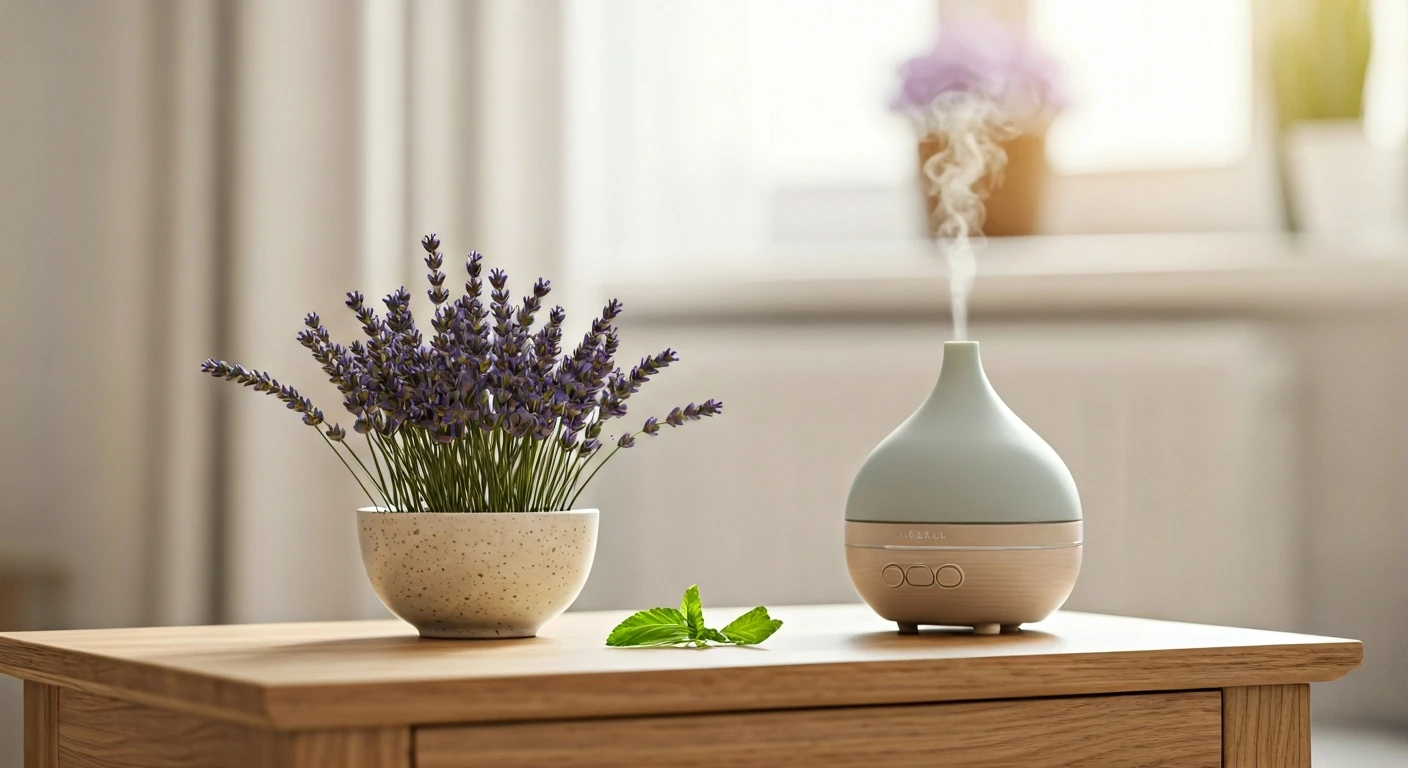
While the goal is to eliminate bad odours, not just mask them, introducing pleasant, natural fragrances can elevate your home's atmosphere. Essential oil diffusers with scents like eucalyptus, tea tree oil, or lavender can help, as these oils have natural antifungal or antibacterial properties. [3, 9] Adding a few drops of neem oil or a fragrant essential oil to your mopping water can leave behind a refreshing aroma after cleaning. [4] Aromatic candles and incense are also effective ways to make your home feel more inviting. [4]