







From Hot Cuppa to Cool Concoction
For generations, tea in India has meant a steaming cup of milky, spiced chai. But as cafe culture evolves in cities like Mumbai, Delhi, and Bangalore, so do the tastes of their patrons. Enter the cold-brew tea: a smoother, more refined cousin of the classic
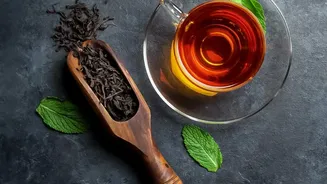
iced tea. Unlike traditional iced tea, which is brewed hot and then cooled, cold brewing involves steeping tea leaves and other botanicals in cold water for an extended period, often between 6 to 12 hours. This slow, patient process is at the heart of the innovation, creating a drink that’s less about a quick jolt and more about a nuanced flavour experience. This shift reflects a growing consumer desire for beverages that are not just refreshing, but also authentic and thoughtfully prepared.
The Science of Smoothness
So, what makes cold brewing so different? The magic lies in the chemistry. Hot water extracts compounds from tea leaves very quickly, including tannins, which are responsible for the astringent or bitter taste sometimes found in strongly brewed hot tea. Cold water, however, works much more gently. Over several hours, it coaxes out the delicate aromatic compounds while leaving many of the bitter tannins behind. The result is a naturally sweeter, smoother, and less acidic beverage that showcases the tea's inherent flavour profile. Experts note that this method also helps preserve a higher concentration of antioxidants, adding a wellness dimension to the drink's appeal.
A Garden in a Glass
This trend isn't just about a new brewing method; it's also about a vibrant palette of ingredients. The term "botanical infusion" signals a move beyond traditional tea leaves. Cafes and artisanal brands are experimenting with a wide array of flowers, herbs, and spices. Floral notes are particularly popular, with hibiscus, lavender, chamomile, and rose petals making frequent appearances. These are often paired with refreshing elements like mint, lemongrass, or fruity accents such as peach and berry. In Bangalore, cafes are serving up unique blends like hibiscus-rose and jasmine-lemongrass green tea. This botanical creativity allows for complex, layered flavours that cater to a more adventurous and health-conscious palate.
Why Now? A Thirst for Wellness
The rise of cold-brewed botanical infusions is perfectly timed with a broader cultural shift towards health and wellness. Urban Indian consumers are increasingly seeking alternatives to sugary sodas and packaged drinks. Cold-brewed teas, which are often naturally sweet and low in calories, fit this demand perfectly. They offer a sophisticated, non-alcoholic beverage option that still feels like a treat. This trend is driven by a millennial and Gen Z consumer base that prefers drinks that are both functional and flavourful. It’s a move away from consumption for pure refreshment and towards an appreciation for ingredient quality and mindful experiences.
The New Face of Indian Tea
What started as a niche offering in high-end cafes is steadily becoming a mainstream feature on beverage menus across the country. Brands like Karma Kettle and VAHDAM India have been instrumental in popularizing the concept, while a host of independent cafes in cities like Mumbai and Bangalore are creating their own signature blends. This innovation is not just about adopting a global trend; it's about reimagining India's own rich tea heritage. Some are even creating cold-brewed versions of traditional blends like Kashmiri Kahwa, showcasing the versatility of Indian tea and spices in a modern format. This movement represents a significant evolution, signalling that the future of tea in India is as much about cool, slow infusions as it is about the hot, fast boil.