

An Autumn Affair: Sikkim’s Unique Bloom
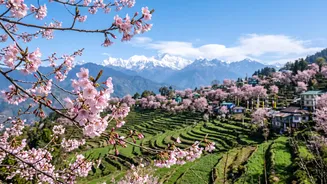
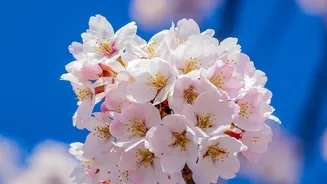
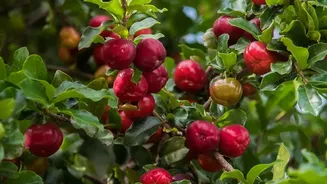
Unlike the world-famous spring cherry blossoms of Japan, Sikkim's spectacle is an autumn and winter event. The star of the show is the wild Himalayan cherry, Prunus cerasoides. These trees put on their magnificent display from late October through November,
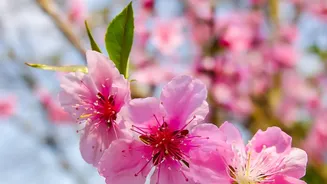
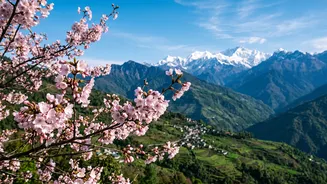
sometimes even into December. This makes Sikkim one of the few places in the world to witness a significant cherry bloom as the year comes to a close. The flowers themselves are a delicate pinkish-white, transforming hillsides and roadsides into a watercolour painting against the crisp, post-monsoon sky. The main flowering season is a short, magical window, which is why timing a visit is so crucial.
The Weather's Decisive Role
The headline doesn't lie: predicting the exact peak bloom is a challenge because it’s entirely dependent on weather conditions. The flowering of Prunus cerasoides is triggered by the arrival of cold weather after the monsoon recedes. A timely drop in temperature is needed to coax the buds into opening. An interesting aspect of the bloom is its progression with altitude; flowering often begins at higher elevations of 7,000-8,000 feet in early November and gradually descends to lower altitudes as the month progresses. This variability means that while mid-to-late November is generally considered the best time, travellers should maintain a degree of flexibility.
Festival Dates and Key Locations
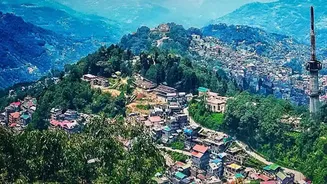
The main hub for the festivities is the Temi Tea Garden in South Sikkim, the state's only tea estate. The contrast of pink blossoms against the green tea bushes is the iconic image of this festival. For 2026, one organising committee has announced a 15-day Sikkim Cherry Festival at Temi from November 14 to 28, a longer duration than in previous years to give visitors more flexibility. Another report suggests a separate, four-day event from November 25 to 28, also focused on Temi-Tarku. It's common for different organisers to host events, so it's wise to verify which festival you are attending. Other spots to see the blossoms include the roads around Ravangla, particularly towards Ralong Monastery, and scattered trees in Gangtok.
What to Expect at the Festival
The Sikkim Cherry Festival is more than just a floral spectacle; it’s a vibrant celebration of local culture and community. Organised by groups like the Temi Tarku Tourism Development Committee (TTTDC), the event is designed to boost local tourism. Visitors can expect stalls showcasing traditional Sikkimese cuisine, local handicrafts, and the famous organic Temi tea. Past editions have featured cultural performances, live music, and adventure activities like paragliding, mountain biking, and zip-lining. The festival provides a platform for local farmers, homestay owners, and artisans to showcase their products and traditions, offering a rich, immersive experience for tourists.
How to Plan Your Visit
Given the variable bloom and multiple event schedules, planning is key. The best approach is to aim for mid-to-late November, which is consistently cited as the peak bloom period. Accommodation in and around Temi is limited, so booking your stay well in advance is crucial, especially if your trip coincides with festival dates. Before you travel, check the official social media channels of Sikkim Tourism and local organisers like the TTTDC for the latest updates on the bloom and event schedules. Pack warm layers, as November evenings in the hills can be quite cold, with temperatures in Gangtok averaging 11–18°C. While Indian citizens don't need a permit for Temi, you will need one for areas like Tsomgo Lake or North Sikkim if you plan to extend your trip.