
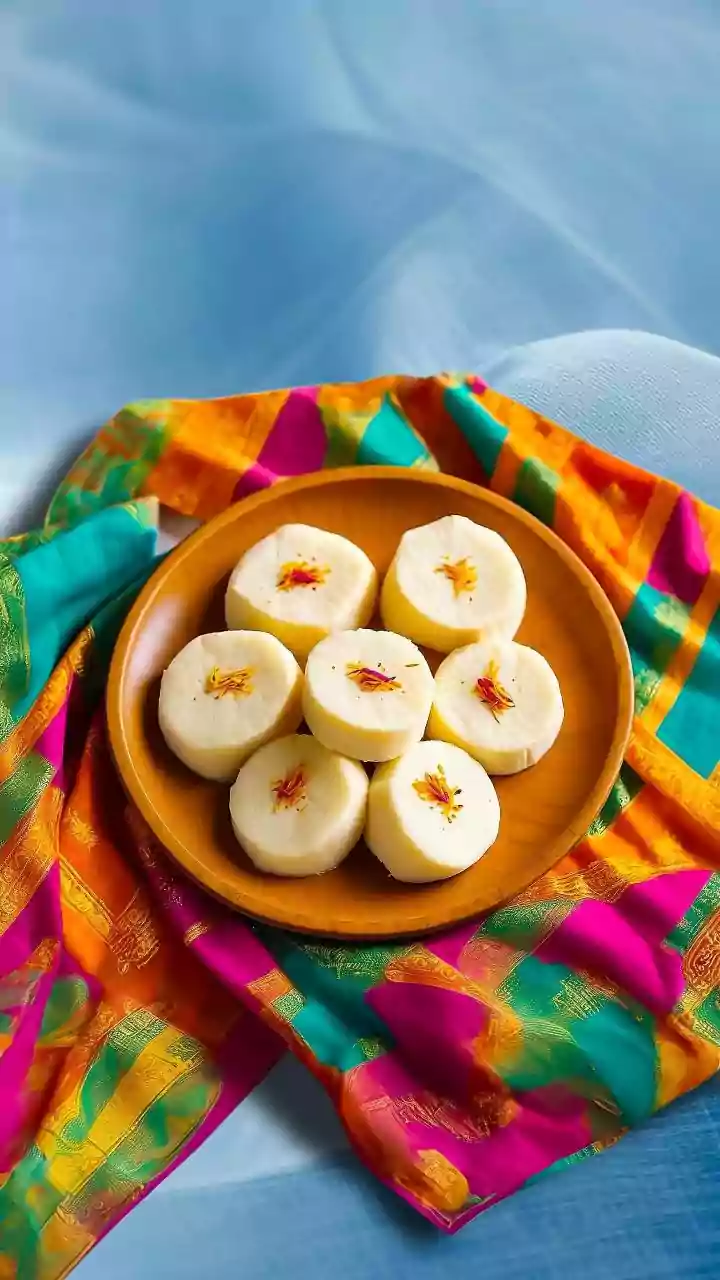
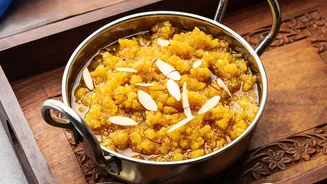
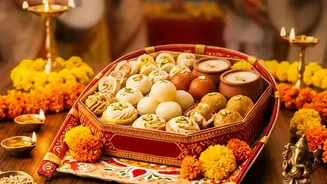
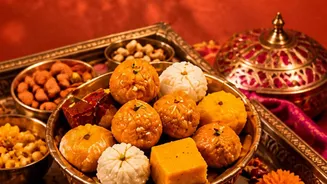
A Sweet Steeped in Legend
The story of Mathura peda is inseparable from the city's identity as the birthplace of Lord Krishna. For centuries, the Braj region has been a hub of dairy production, with milk, butter, and ghee forming the backbone of its cuisine. This abundance created
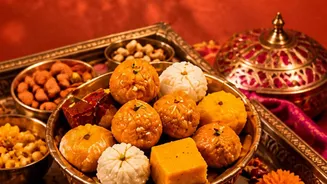
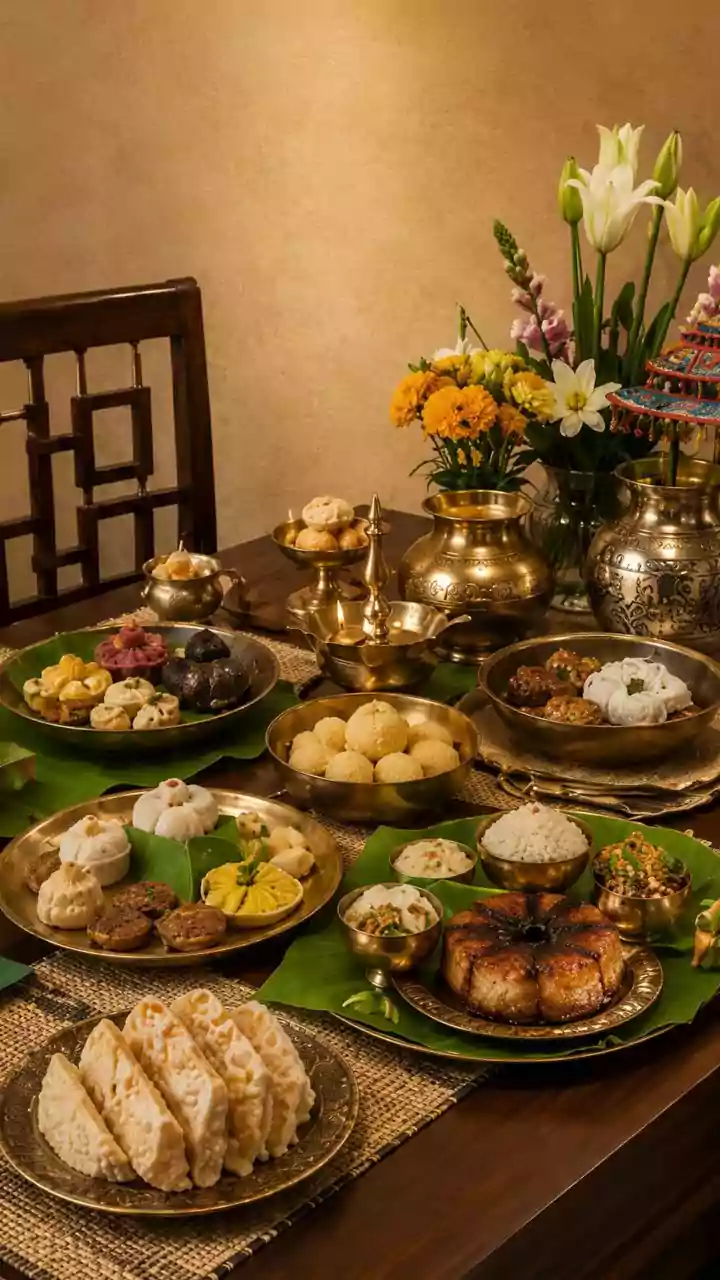
the perfect environment for milk-based sweets to flourish. Legend has it that the peda's origin was a happy accident, when milk was unintentionally left to thicken on a fire, later sweetened and offered to a young Krishna. Today, the peda remains a quintessential 'prasad', or blessed offering, in temples across Mathura and Vrindavan, especially during festivals like Janmashtami. This deep religious connection elevates it from a simple confection to a symbol of devotion.
The Secret to the Grainy Bite
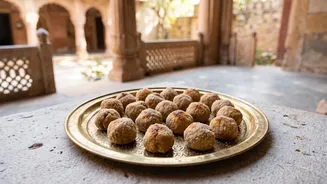
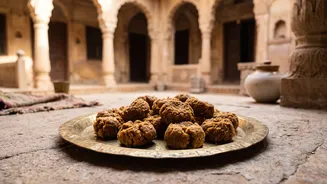
The defining characteristic of a classic Mathura peda is its delightful grainy texture, which sets it apart from other, smoother varieties. This unique quality is not the result of a secret ingredient, but a patient and meticulous cooking process. The magic begins with high-quality 'khoya' (also known as mawa), which is essentially milk solids obtained by slowly reducing milk. This khoya is then roasted ('bhun-na') in a heavy-bottomed pan over a low flame. This slow-roasting is the crucial step; it continues until the khoya loses its moisture, darkens to a beautiful golden-brown, and develops a deep, caramelised, and nutty aroma. It is this intense roasting that creates the signature granular texture.
The Role of 'Bura' Sugar
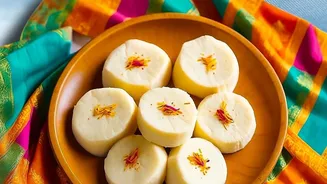
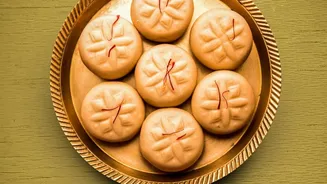
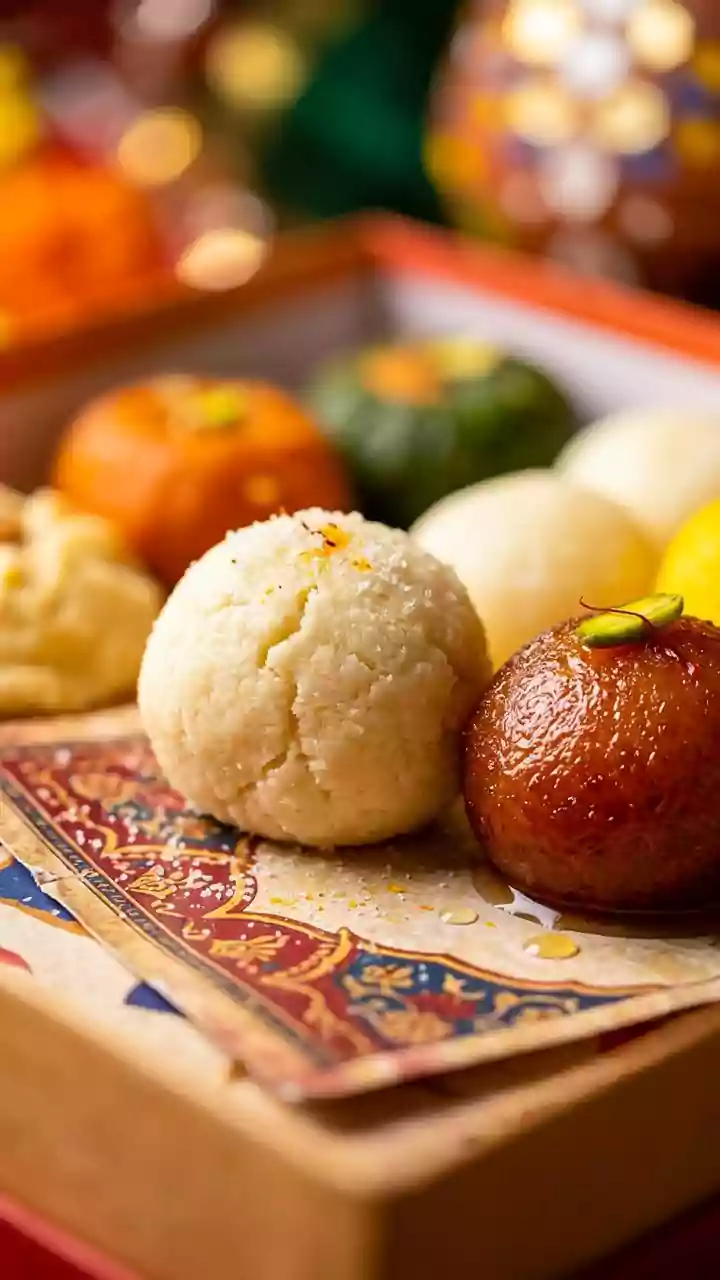
Once the khoya is perfectly roasted and has cooled slightly, another key ingredient is introduced: 'tagar' or 'bura' sugar. This isn't just regular powdered sugar. Bura is a type of unrefined sugar that is crystallised and has a fine, sandy texture itself. When mixed into the warm, roasted khoya, it doesn't dissolve completely. Instead, it blends in while maintaining some of its crystalline structure, further enhancing the peda's characteristic grainy mouthfeel. The mixture is then flavoured with a touch of cardamom, shaped by hand into its familiar round, flattened form, and sometimes rolled in a final coating of bura sugar for its signature look.
More Than Just a Sweet
The term 'Mathura ka Peda' has become a brand in itself, a phrase woven into folk songs and proverbs that signifies authenticity and excellence. For millions of pilgrims and tourists visiting the holy city, a trip is considered incomplete without tasting these pedas or carrying a box home as a blessed souvenir. Its popularity has made it a symbol of good news, shared during festivals, weddings, and celebrations far beyond the borders of Uttar Pradesh. However, this fame has also led to a rise in imitations, with concerns about adulterated or poor-quality khoya being used by some sellers.
In Pursuit of Authenticity
To protect its unique heritage, an application has been filed to secure a Geographical Indication (GI) tag for the Mathura peda. This tag would provide legal protection against imitation and formally recognise the traditional methods and regional specificity that make the sweet authentic. While the process is still underway as of late 2026, it highlights the cultural and economic importance of preserving this culinary craft. An authentic Mathura peda is defined by its simple ingredients: pure khoya, bura sugar, and cardamom, with a flavour profile derived not from additives, but from the time-honoured technique of slow-roasting the milk solids to perfection.