




The Protein Boom Meets a Reality Check
Walk down any supermarket aisle, and you’ll see the protein trend in full force. It’s not just about gym-goers anymore; everyday products are being fortified and marketed as a healthy protein source. This boom, however, has led to a market flooded with
products making bold promises. The problem? Many of these claims don't hold up. The Food Safety and Standards Authority of India (FSSAI) has significantly increased its scrutiny, moving to enforce regulations that have been in place since 2018. This isn't a new war, but a newly intensified battle against labels that promise more than they deliver, stemming from a growing number of consumer complaints and alarming studies.
What FSSAI's Scrutiny Has Uncovered
The regulator's crackdown is a response to systemic issues. Studies have revealed shocking discrepancies in the protein supplement market. For instance, an analysis of 36 popular protein powders found that nearly 70% were mislabelled, with some containing only half the protein promised on the pack. FSSAI's own enforcement drives have led to over 100,000 civil and criminal cases against sellers of spurious supplements in just three years, indicating a widespread problem. Violations range from products containing 30-40% less protein than advertised to the presence of banned substances, heavy metals, and fungal toxins. Another deceptive practice known as 'protein spiking' involves adding cheaper amino acids to artificially inflate the protein value during testing, a practice consumer courts have condemned.
The Official Definition of 'High-Protein'
So, what does a 'high-protein' claim legally require? According to FSSAI regulations, the term isn't just a marketing buzzword; it has a specific legal definition based on the product's composition. For a solid food product, like a protein bar, biscuit, or atta, it must contain at least 12 grams of protein per 100 grams of the food to be labelled 'high in protein'. For liquid products, such as a protein shake or fortified milk, the threshold is at least 6 grams of protein per 100 millilitres. A product can be called a 'source of protein' if it meets half of those requirements. Knowing these numbers is the first step in cutting through the marketing noise and evaluating a product based on official standards.
Your Five-Point Label Check
Armed with this knowledge, you can become a much smarter shopper. Don't just trust the flashy claim on the front of the box. Instead, turn it over and run this five-point check on the nutrition label and ingredient list. 1. Look at the 'Per 100g' Column: Serving sizes can be manipulated to make protein content seem higher. The 'per 100g' or 'per 100ml' column is your most reliable tool for comparing different products fairly. 2. Identify the Protein Source: The first few ingredients make up most of the product. Is the protein coming from a high-quality source like whey, casein, soy, or pea? Or is the list padded with cheap fillers like maltodextrin? 3. Check for Added Sugars: Some high-protein products compensate for taste with a lot of sugar. A recent consumer case even saw a company fined for claiming 'no added sugar' in a product that contained it. 4. Verify the FSSAI License: All legitimate food products must have an FSSAI logo and a 14-digit license number printed on the package. This is a basic check for authenticity. 5. Seek Third-Party Testing: Reputable brands, especially in the supplement space, often provide a Certificate of Analysis (COA) or third-party lab test results for their products, usually available on their website. This shows they are confident in their label accuracy.
A Return to Whole Foods
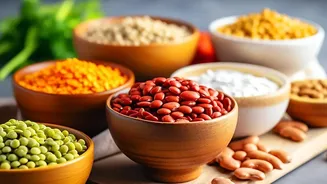
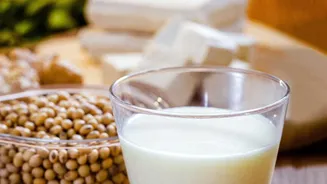
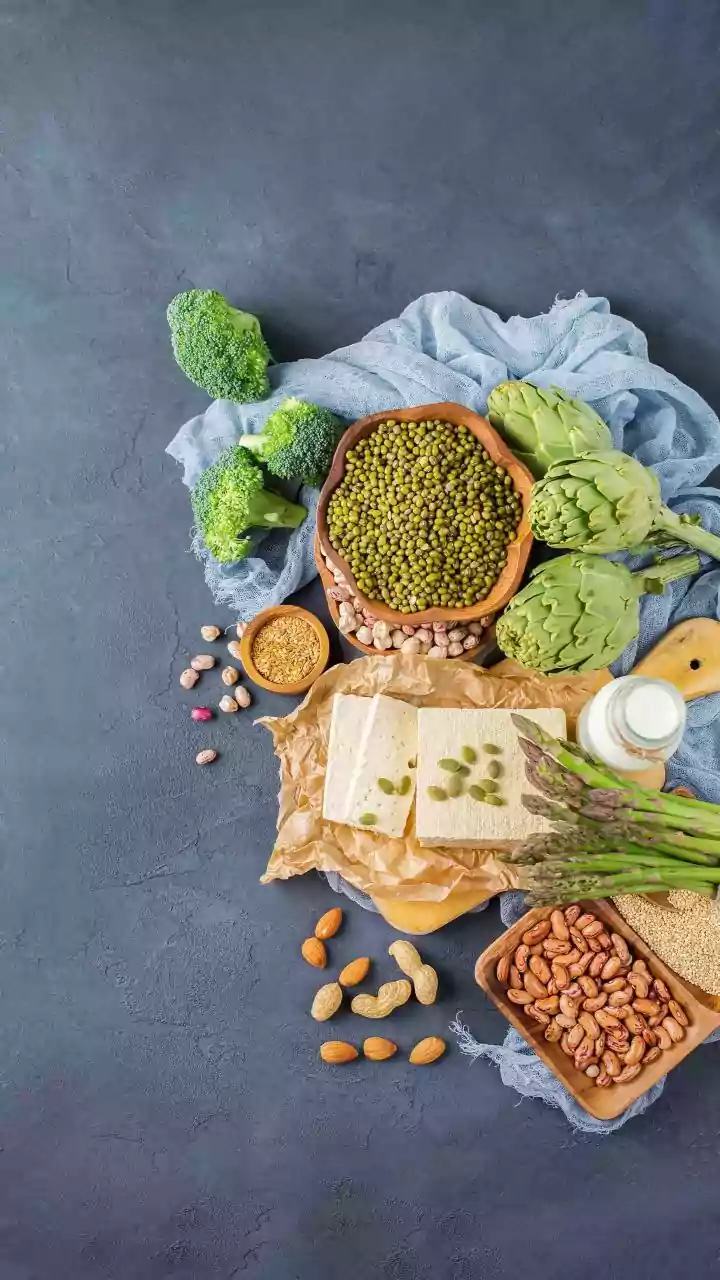
While scrutinising labels is crucial, it's also worth noting the advice from other public health bodies. In 2024, the Indian Council of Medical Research (ICMR) advised the general population to avoid protein supplements, citing concerns about potential kidney issues from excessive intake and recommending a food-first approach. This doesn't mean all protein supplements are bad, but it puts their role into perspective. For most people, meeting protein needs through a balanced diet of lentils, legumes, dairy, eggs, and lean meats is the healthiest and most reliable strategy. Supplements should be just that—a supplement to a good diet, not a replacement for one.