

The Science of Trapped Steam
When you place hot or even warm food into a sealed container, you're trapping steam. As the container and its contents cool down inside the refrigerator, that hot, moist air comes into contact with the cooler surfaces of the container and the food itself.
This temperature difference causes the water vapor to turn back into liquid water droplets, a process known as condensation. You'll see it as beads of water on the lid and walls of your container. While it might seem harmless, this collected moisture is the primary culprit behind spoiled leftovers, creating an ideal environment for unwanted microbial growth.
Why Moisture Is the Enemy of Freshness
Excess moisture is a welcome mat for bacteria, mold, and yeast. These microorganisms thrive in damp conditions and can accelerate food spoilage, sometimes making your leftovers unsafe to eat. Even if harmful bacteria don't proliferate, the condensation can ruin the texture of your food. Crispy fried chicken becomes soggy, roasted vegetables turn mushy, and fluffy rice can become waterlogged. This unwanted moisture can also lead to off-flavors and smells, drastically reducing the shelf life and appeal of your carefully prepared meal.
The Right Way to Cool Your Food
Proper cooling is a balancing act. You need to cool food quickly to prevent it from lingering in the temperature “danger zone” (between 40°F and 140°F), where bacteria multiply rapidly. However, you can't leave it on the counter for hours. Food safety guidelines recommend that perishable food should not be left at room temperature for more than two hours. To cool food safely and efficiently, divide large quantities into smaller, shallow containers. This increases the surface area and allows heat to escape faster. Spreading food like a stew or a casserole in a thin layer on a baking sheet is also effective. For liquids like soup, an ice bath can rapidly lower the temperature; simply place the pot or container into a larger bowl of ice water and stir occasionally.
Choosing an Effective Moisture Barrier
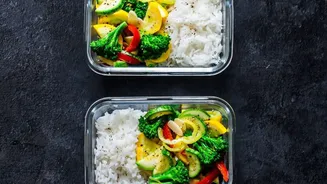
Once your food has reached room temperature or is cool to the touch, it's time to store it. An effective moisture barrier is any airtight container or wrapping that prevents moisture from getting in or out. Glass containers with locking lids and silicone seals are excellent choices because they are non-porous and create a tight seal. High-quality, BPA-free plastic containers can also work well, but avoid using any that are scratched or warped, as they can be harder to clean and may not seal properly. For items like cuts of meat or bread, vacuum sealing is a highly effective method that removes nearly all oxygen, dramatically slowing spoilage and preventing freezer burn. No matter what you choose, ensure the lid is sealed tightly only after the food is completely cool. If you must refrigerate warm food, leave the lid slightly ajar to allow steam to escape before sealing it fully later.