





The Pacific's Global Pulse
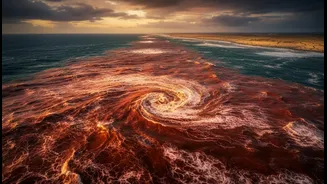
At the heart of it all is a natural climate cycle called the El Niño-Southern Oscillation (ENSO). Think of it as the planet's heartbeat, originating in the tropical Pacific Ocean. This cycle involves a massive-scale interaction between the ocean and the atmosphere,
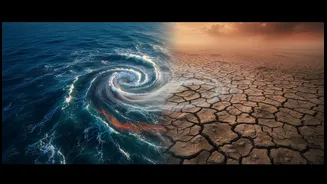
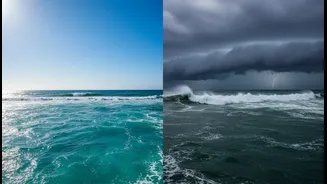
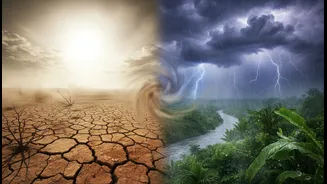
fluctuating between three states: a warm phase (El Niño), a cold phase (La Niña), and a neutral phase in between. These shifts in sea surface temperature and air pressure don't stay in the Pacific; they create a ripple effect, influencing weather patterns across the globe, including the all-important Indian monsoon.
El Niño: The Warm Troublemaker
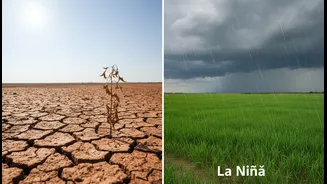
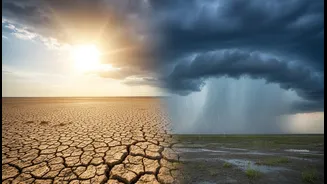
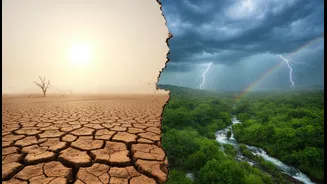
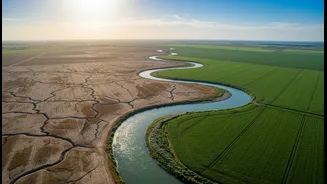
El Niño, which means "the little boy" in Spanish, marks the warm phase of the ENSO cycle. It occurs when the surface waters in the central and eastern Pacific Ocean become unusually warm. This warming weakens the normally westward-blowing trade winds. For India, this disruption is critical. A strong El Niño is often associated with a weaker monsoon. The altered wind patterns can reduce the flow of moisture-laden clouds from the ocean to the subcontinent, leading to below-average rainfall, and in severe cases, droughts. Historically, many of India's significant drought years have coincided with El Niño events.
La Niña: The Cool Counterpart
La Niña, or "the little girl," is the opposite. It's the cold phase of ENSO, characterized by cooler-than-average sea surface temperatures in the same region of the Pacific. During a La Niña event, the trade winds become stronger than usual, pushing more warm water towards Asia. For India, this often means good news for the monsoon. La Niña conditions are generally linked to above-average rainfall during the summer monsoon. This can lead to bountiful harvests and full reservoirs. However, a very strong La Niña can also bring risks, such as excessive rainfall leading to floods in some parts of the country.
The Monsoon Tug-of-War
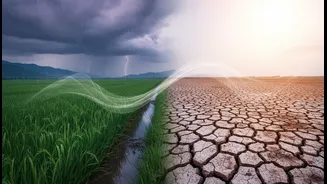
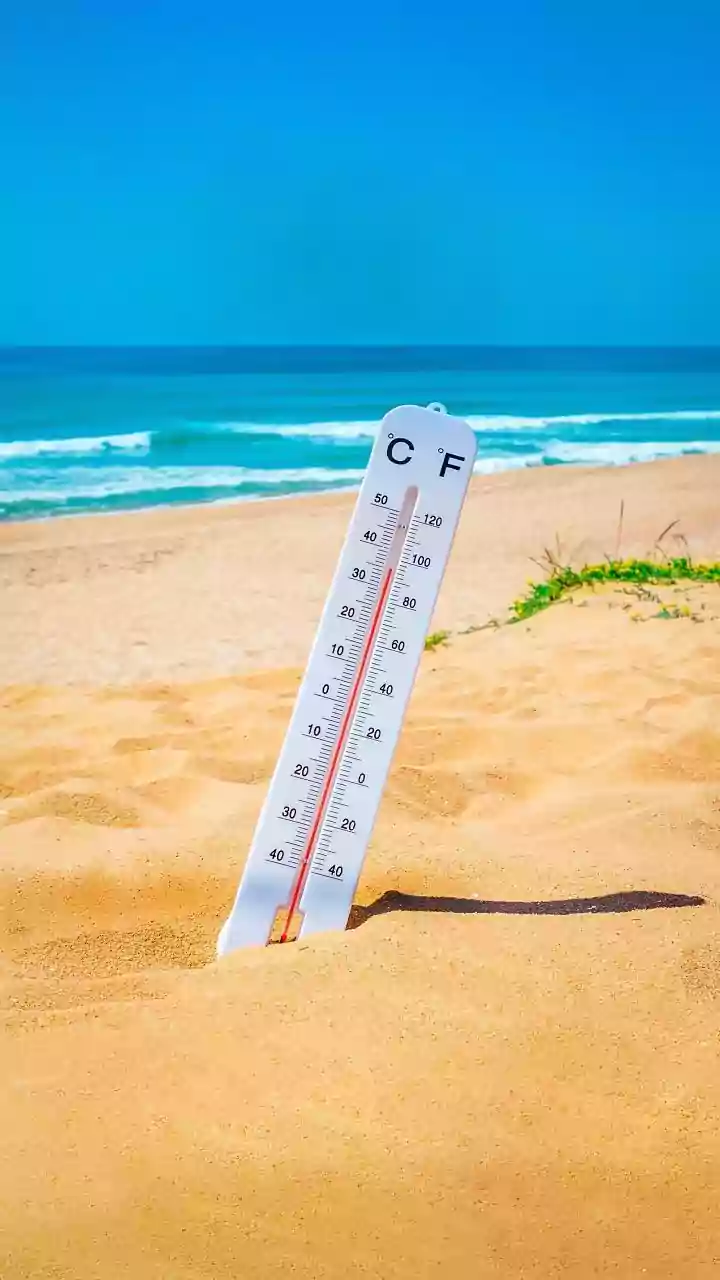
The relationship isn't always perfectly direct. While El Niño often suppresses the monsoon, it doesn't guarantee a drought every time. Similarly, La Niña typically boosts rainfall but doesn't always prevent dry spells in certain regions. Other atmospheric and oceanic factors, like the Indian Ocean Dipole (IOD), can also influence the monsoon's performance, sometimes counteracting or amplifying the effects of ENSO. However, the correlation remains strong: El Niño years tend to bring drier conditions and more heat, while La Niña years are often associated with stronger monsoons and cooler winters. Forecasts for July 2026, for example, indicate a strengthening El Niño, which increases the likelihood of below-normal rainfall for the Indian subcontinent.
From Fields to Finances: The Ripple Effect
Why should this matter to you? Because India's economy is deeply intertwined with the monsoon. Agriculture contributes a significant portion of our GDP, and a majority of our population depends on it. A weak monsoon triggered by El Niño can lead to reduced crop yields, particularly for rain-fed Kharif crops like rice, cotton, and pulses. This can hit rural incomes hard, decrease overall demand, and stoke food inflation that affects everyone's household budget. Conversely, a good monsoon, often aided by La Niña, can boost agricultural output, keep food prices stable, improve water availability in reservoirs, and support hydroelectric power generation. Understanding these patterns is crucial for everyone, from farmers planning their crops to policymakers managing the national economy.