

Scroll through Instagram and you'll see it: a black-and-white classic from the 60s backing a travel montage, or a 90s ballad in a pre-wedding shoot. Old Indian music isn't just for older generations anymore; it's the new cool for Gen Z.
The 30-Second Revival
The most powerful
engine driving this trend is short-form video. Platforms like Instagram Reels have become a digital jukebox where a 30-second clip can resurrect a song from decades ago. A catchy melody or a poignant line of poetry is all it takes for a track to go viral, reaching millions of users who were not even born when it was released. Songs like 'Pehla Nasha' (1992) or even 'Tadpaoge Tadpa Lo' from the 1959 film 'Barkha' have found a second life, used in everything from romantic couple videos to dramatic slow-motion reveals. This isn't just about remixes; often, it is the original recording that captures the imagination of a new generation, proving that a great hook is timeless. The algorithm doesn't care about the release date; it cares about engagement, and these classic tunes are proving to be endlessly engaging.
Algorithms and Accidental Discovery
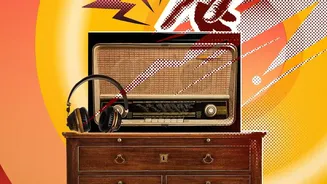
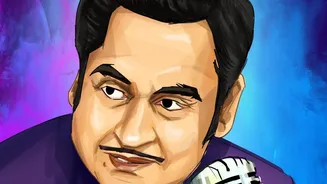
Beyond the viral loop of social media, streaming services play a crucial role as modern-day curators. Platforms like Spotify and YouTube Music have made vast catalogues of music from every era instantly accessible. According to research by Spotify, the 18-24 age group has shown the highest growth in consumption for Hindi songs from the 1950s and 60s. This discovery is often passive; an algorithm suggests 'Mere Sapnon Ki Rani' after a listener plays a contemporary track, or a curated playlist like 'Bollywood Classics' introduces a young user to the genius of Kishore Kumar or Lata Mangeshkar. This algorithmic serendipity breaks down generational barriers, placing a 1970s ghazal next to a 2026 pop hit and allowing listeners to connect with the emotion and melody without the preconceived notion that it's 'old' music. The result is a playlist where the past and present coexist seamlessly.
The Communal Experience of Live Music
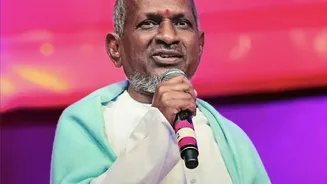
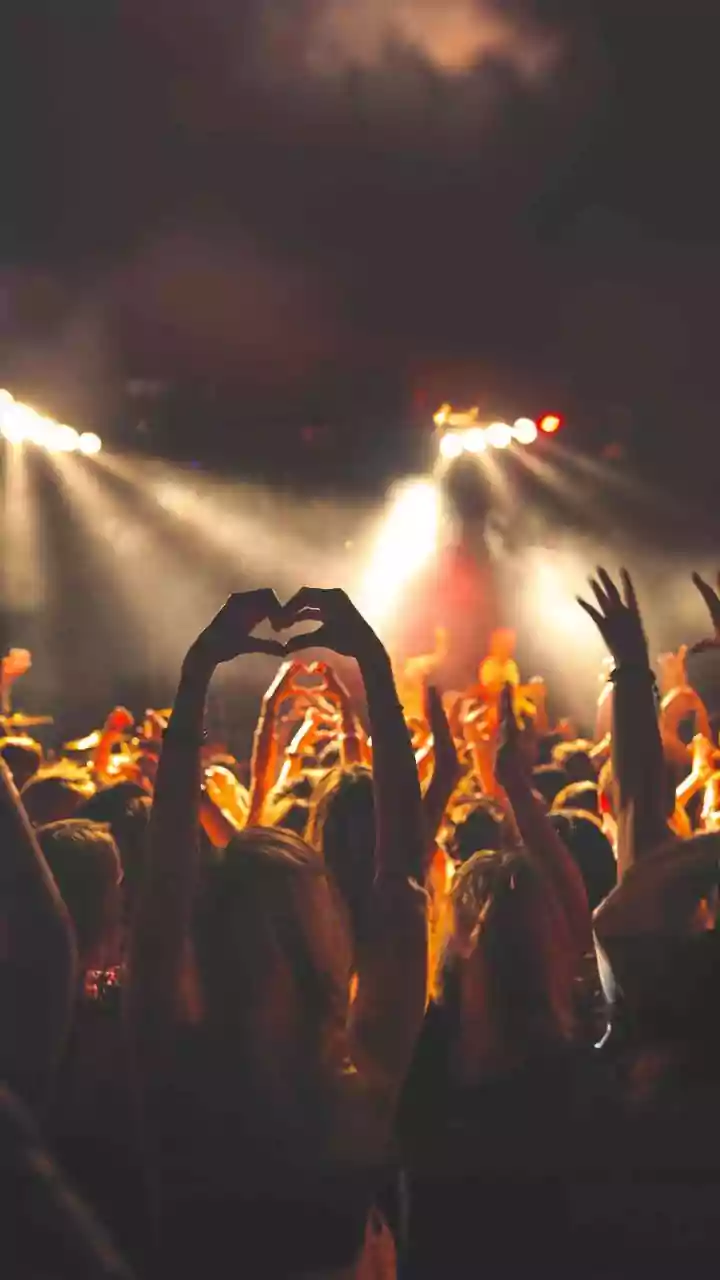
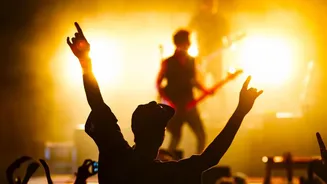
The trend isn't confined to digital spaces. It's spilling over into live music venues, from college festivals to grand wedding stages. Artists and DJs are increasingly incorporating classic hits into their sets, either as faithful covers or modern remixes, to euphoric crowd reactions. These live performances transform solitary listening into a powerful communal experience. When an entire hall erupts to the opening notes of 'Tujhe Dekha Toh', it reinforces the song's cultural significance. This transition from screen to stage solidifies the trend, creating shared memories around songs that have already stood the test of time. It's a testament to how these melodies are not just being heard, but actively celebrated and integrated into the most important moments of people's lives.
A Yearning for Melody and Meaning
So, why is this happening now? Many observers believe it's a reaction to the modern music landscape, which is often perceived as being driven by repetitive hooks and algorithm-friendly beats. Classic songs, in contrast, are often lauded for their rich lyrical depth, intricate melodies, and raw emotional storytelling. Lyricists like Gulzar and Javed Akhtar penned poetry that told complete stories, a quality that resonates with listeners seeking more than just a catchy tune. For many in Gen Z, this music represents a form of 'inherited nostalgia'—a connection to a simpler time they never experienced but find comfort in. In a world of fleeting digital trends, the timelessness of these compositions offers a sense of authenticity and emotional grounding that feels both rare and incredibly valuable.