









A Major Push for Conservation
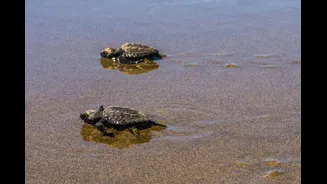
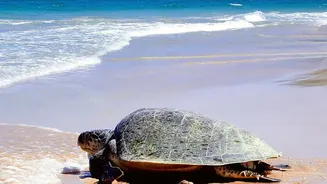
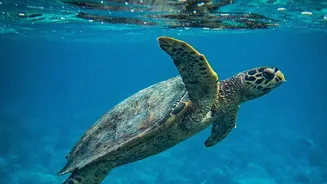
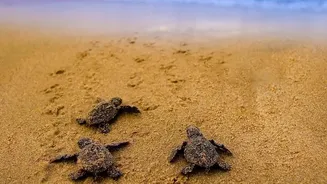
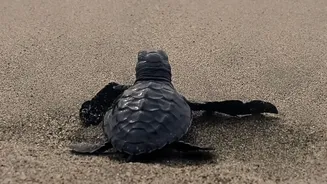
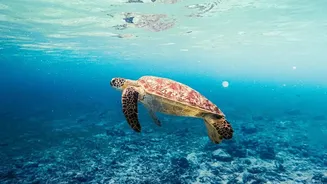
Goa's Forest Department has put forward a significant proposal to designate 24 beaches across the state as official turtle nesting sites. This move aims to provide stronger legal protection for the endangered Olive Ridley turtles that visit Goa's shores
annually to lay their eggs. The proposal, submitted to the department of environment and climate change, requests that these beaches be formally included as protected zones under the Coastal Regulation Zone (CRZ) Notification of 2019. If approved, this would classify them as CRZ-I areas, which are ecologically sensitive and subject to the strictest development regulations. The move comes amid growing concerns about a decline in turtle nesting numbers in recent seasons.
The Proposed Beaches
The plan encompasses a wide stretch of Goa's famous coastline, identifying 14 beaches in South Goa and 10 in North Goa. Many of these are already popular tourist destinations, while a few are established nesting grounds. In South Goa, the list includes well-known beaches such as Palolem, Agonda, Colva, and Cavelossim, alongside quieter stretches like Talpona, Rajbag, and Cabo de Rama. The full list for the South is: Agonda, Baina, Cabo de Rama, Carmona, Cavelossim, Cola, Galgibag, Mobor, Palolem, Patnem, Rajbag, Talpona, Varca, and one other yet to be specified. In North Goa, the proposal covers major tourist hubs like Baga, Calangute, and Candolim, as well as recognized nesting sites like Morjim and Mandrem. The full northern list includes Arambol, Ashvem, Baga, Calangute, Candolim, Keri, Mandrem, Miramar, Morjim, and Vagator.
Stricter Rules on the Horizon
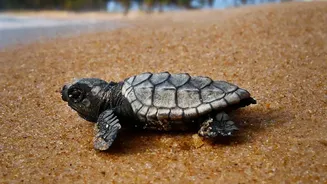
Declaring these areas as official nesting sites would trigger a range of new regulations aimed at minimising human disturbance, especially during the nesting season from October to May. Activities likely to face tighter controls include the operation of beach shacks, which could face restrictions on location and timing. The proposal also calls for stricter rules on artificial lighting, which disorients hatchlings, as well as limitations on beach events, vehicle movement at night, and water sports. The goal is to create a safer environment for nesting turtles and improve the chances of hatchlings making it to the sea. The enforcement would involve multiple departments, including increased night patrolling by Coastal Police.
A 'Death Knell' for Tourism?
The proposal has sparked significant concern among those whose livelihoods depend on beach tourism. Associations representing shack owners and traditional fishermen have voiced strong opposition, fearing the new rules could cripple their businesses. John Lobo, Secretary of the Shack Owners Welfare Society, stated that declaring so many popular beaches as protected zones is 'not practical' and will affect the entire tourism industry. Fishermen who use traditional 'rampon' nets are also worried that the restrictions could effectively end their way of life on these beaches. Stakeholders argue that while they support turtle conservation, a balance must be struck that doesn't destroy the local economy, which for many in coastal areas, is entirely dependent on tourism.
The Delicate Balance
This situation highlights a classic Goan dilemma: how to protect the natural environment that draws millions of visitors while managing the economic pressures of a booming tourism sector. Uncontrolled development has already led to significant environmental strain, including coastal erosion and resource depletion. Conservationists point to declining turtle nest numbers as clear evidence that current measures are not enough. However, tourism provides livelihoods for a substantial portion of Goa's population. The government's challenge is to implement a conservation strategy that is effective without displacing local communities. Many stakeholders are calling for more consultation and clarity, suggesting that conservation and tourism can coexist if regulations are clear, practical, and developed in partnership with the people they will affect.