








A New Kind of Rain
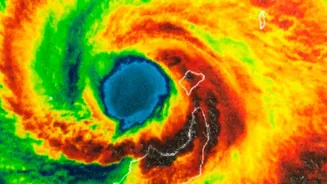
The challenge facing India's forests isn't simply about the total volume of rainfall, but its character. Climate change is altering the monsoon's behaviour, leading to fewer rainy days but more intense, extreme downpours. Instead of a steady, nourishing
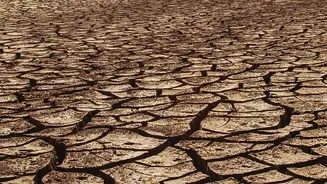
soak over several months, rainfall is increasingly concentrated into powerful, short bursts. This shift is significant. While average rainfall may seem stable in some areas, the reality on the ground is a volatile cycle of deluge and drought. One study noted that while summer monsoon precipitation has declined overall since the 1950s, the frequency of extreme rain events is increasing, creating a paradox of simultaneous water stress and flood risk.
The Impact on Soil and Saplings
This new rainfall pattern has direct physical consequences for forest ecosystems. Intense, heavy rain does not get absorbed gently into the earth. Instead, it hammers the ground, leading to severe soil erosion that washes away essential topsoil and nutrients that trees need to thrive. This makes the landscape less stable and prone to landslides, especially on steep slopes like those in the Western Ghats. Following these deluges are longer dry spells. Young saplings, which depend on consistent moisture to establish their root systems, can struggle to survive these extended periods of dryness, threatening the forest's natural ability to regenerate. The combination of soil degradation and water stress creates a hostile environment for the next generation of trees.
Different Forests, Different Threats
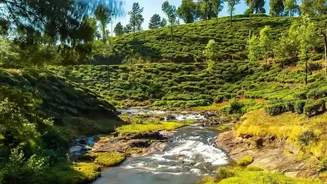
India's diverse forests are experiencing these changes in unique ways. In the Western Ghats, a global biodiversity hotspot, researchers are seeing how altered rainfall could cause dramatic shifts in forest composition. Studies suggest that moist evergreen forests, which act like giant sponges that regulate water flow, could shrink. In their place, drier thorn forests may expand as the region becomes hotter and less consistently wet. Meanwhile, in the deciduous forests of central India, changing precipitation combined with rising temperatures is increasing the risk of forest fires and altering the lifecycle of trees. One study in the Panchmarhi Biosphere Reserve found that shifts in rainfall contributed to a significant loss of forest cover over several decades.
A Cascade of Consequences
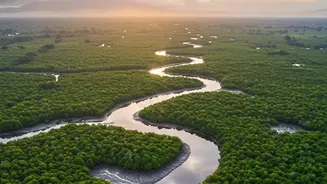
The disruption of rainfall patterns triggers a domino effect that extends beyond the trees themselves. Changes in forest type and health lead to a loss of biodiversity, as plants and animals struggle to adapt to new conditions. Species' distribution shifts, with some moving to higher, cooler altitudes to survive. This also impacts the millions of people in forest-dependent communities, whose livelihoods are tied to the ecosystem's health and stability. Furthermore, forests play a critical role in the water cycle; they help recharge groundwater and regulate river flows. As forests degrade, their ability to perform this vital service diminishes, affecting water security for downstream communities and agriculture, which remains heavily reliant on the monsoon.