


The Soul of a Desi Kitchen
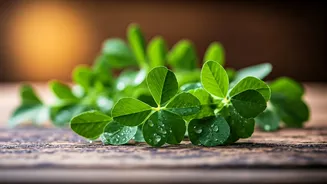
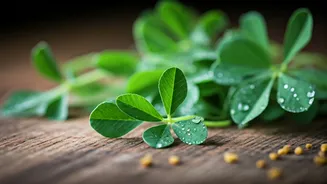
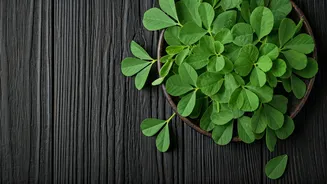
Fenugreek, or methi, is a powerhouse herb deeply woven into the fabric of Indian cuisine. It's a plant where almost every part is celebrated, from its potent seeds to its fragrant leaves, both fresh and dried. Its flavour profile is complex—a unique combination
of slightly bitter, nutty, and subtly sweet, with an aroma reminiscent of maple syrup. This distinctive character is what gives countless dishes their signature 'desi' touch. Whether it's the star of the show in a simple sabzi or a background note in a complex masala, methi’s presence is always transformative, turning a simple meal into a memorable experience filled with warmth and nostalgia.
A Tale of Two Leaves: Fresh vs. Dried
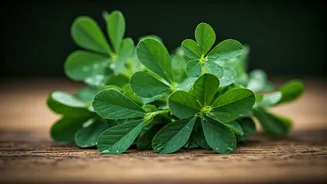
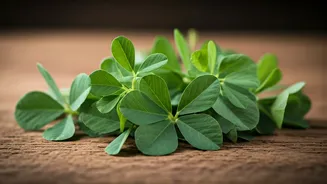
Methi comes to the kitchen in two primary leafy forms: fresh and dried. Fresh methi leaves are used as a green vegetable, much like spinach, bringing a mild bitterness and a fresh, earthy flavour. They are the heart of beloved dishes like Aloo Methi and Methi Paratha. Then there is Kasuri Methi, the sun-dried version of the leaves, named after the Kasur region of Pakistan. Drying concentrates the flavour, making Kasuri Methi intensely aromatic, less bitter, and more savoury. It's typically crushed between the palms and sprinkled over rich, creamy curries like Butter Chicken or Methi Matar Malai right at the end of cooking. This final touch releases its essential oils, adding a layer of fragrance and a sophisticated, lingering taste that fresh leaves can't replicate.
The Power of the Seed
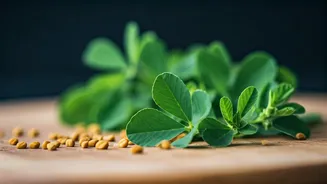
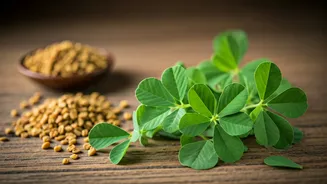
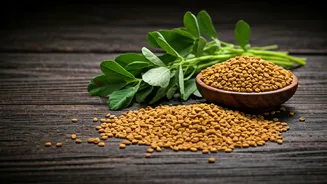
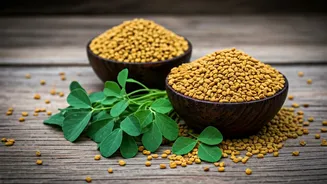
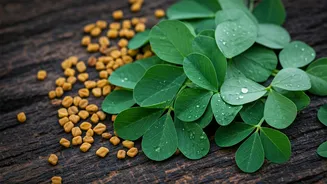
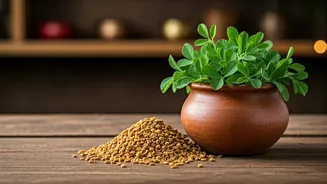
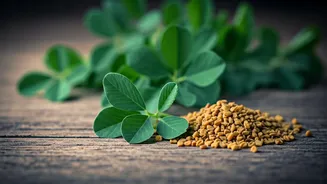
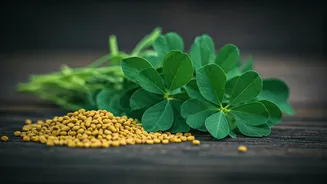
The tiny, amber-coloured fenugreek seeds, known as methi dana, are small but mighty. Raw, they are intensely bitter, but this changes dramatically with cooking. When tempered in hot oil or dry-roasted, their bitterness mellows into a warm, nutty, and almost caramel-like flavour. This process, called 'tadka', is fundamental to Indian cooking. The seeds are a key component of spice blends like the Bengali panch phoron and are essential in dals and pickles, where they contribute both flavour and preservative qualities. Soaking the seeds overnight also reduces their bitterness and is a common practice for preparing them for various health remedies.
Beyond Flavour: A Legacy of Wellness
For centuries, methi has been valued in traditional systems of medicine like Ayurveda for its wide-ranging health benefits. It is celebrated for its ability to aid digestion, stimulate appetite, and soothe the stomach. The high fibre content in both leaves and seeds is known to help in managing blood sugar levels, making it particularly beneficial for those with diabetes. Furthermore, methi is a good source of iron, helping to combat fatigue. It's also traditionally used by new mothers to support lactation and to help maintain hormonal balance. From promoting healthy skin and hair to its anti-inflammatory properties, methi is truly a superfood that nourishes the body from within.
A Culinary Staple Across India
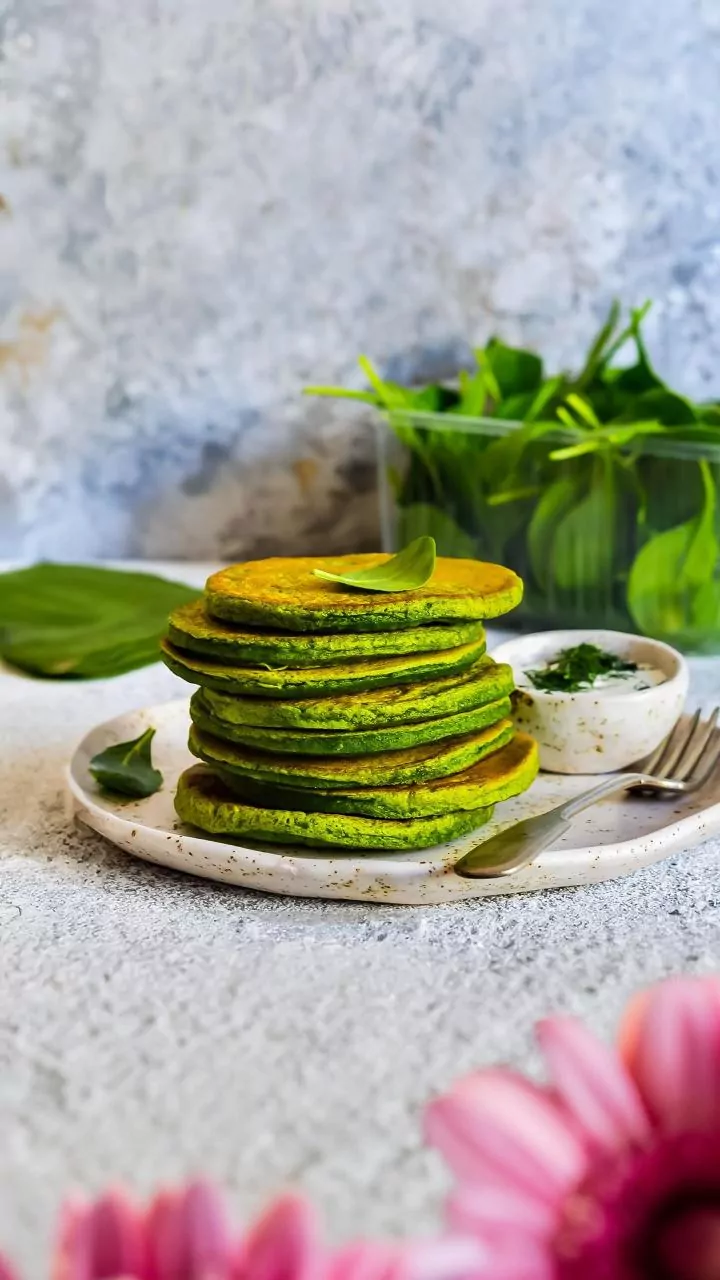
From the robust flavours of the north to the nuanced curries of the south, methi is a pan-Indian star. In North India, it finds its way into creamy, rich dishes and hearty flatbreads like Methi Thepla. In the south, the seeds are a crucial ingredient in sambar powder, lending a subtle complexity to the popular lentil stew. In Gujarati cuisine, Methi na Gota (deep-fried fritters) are a beloved snack, especially during monsoon. Dishes like Methi Chicken, Methi Dal, and the simple but profound Aloo Methi are staples in households across the country, each showcasing a different facet of this versatile ingredient. It provides the bitter counterpoint in a Gajar Methi stir-fry and the aromatic finish in a rich keema.