

A Tale of Two Septembers
September in Nepal is often called a “month of two halves” for good reason. The first couple of weeks can feel like a continuation of the monsoon, with lingering afternoon showers, high humidity, and cloud-covered skies. However, as the month progresses,
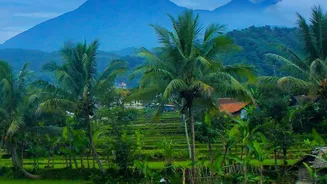
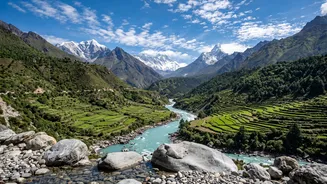
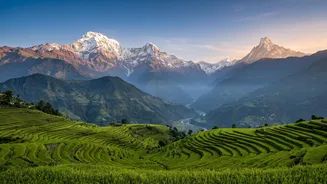
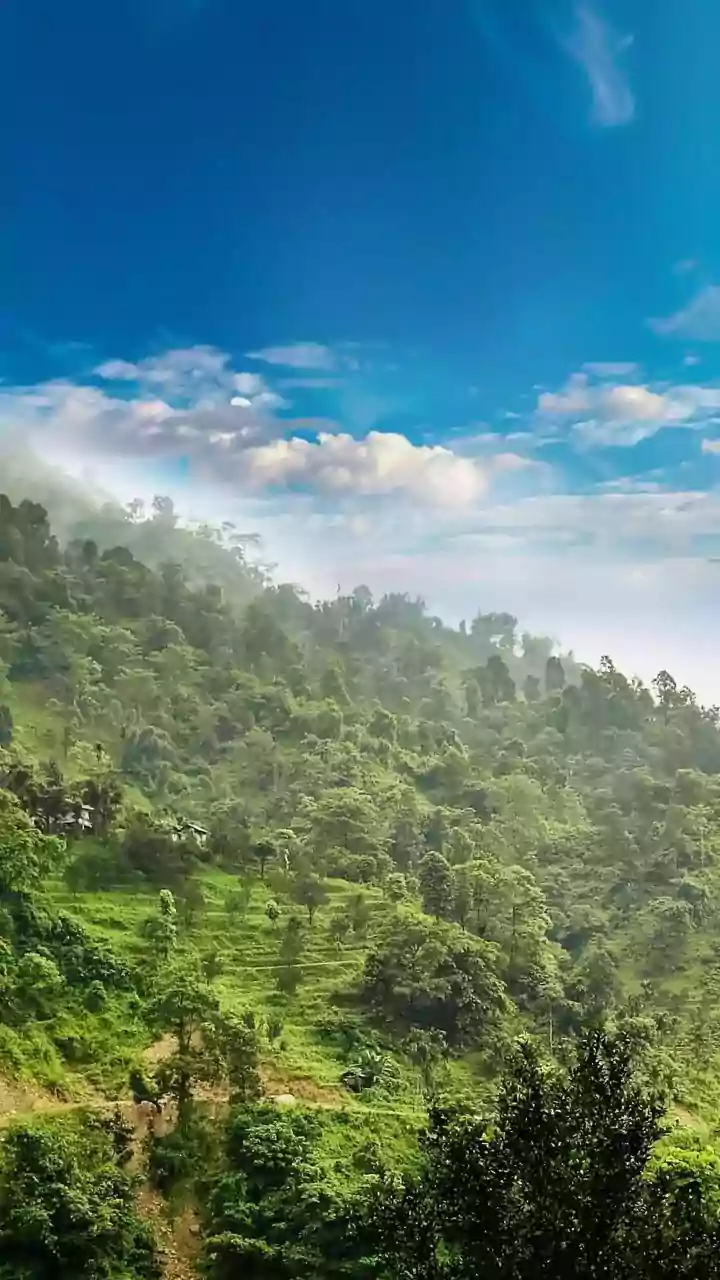
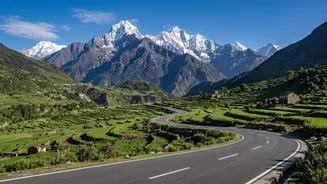
the rain subsides, the humidity drops, and the weather becomes increasingly stable and clear. By late September, conditions often resemble the peak trekking season of October, but with warmer nights and a fraction of the crowds. This transition is key; your experience will depend heavily on whether you travel early or late in the month. The latter half offers a sweet spot with lush, green landscapes washed clean by the rains and increasingly spectacular mountain views.
Navigating the Nation’s Roads
Overland travel is where the monsoon’s impact is most keenly felt. Months of heavy rain saturate the hillsides, leading to a high risk of landslides, road blockages, and significant travel delays. Major arteries like the Prithvi Highway (connecting Kathmandu to Pokhara and Chitwan) and the Araniko Highway (towards the Tibetan border) are notoriously prone to disruptions. Local authorities often restrict night travel on key routes during periods of heavy rain for safety. These blockages aren’t just minor inconveniences; they can shut down roads for hours or even days, completely upending tight itineraries. If you plan to travel by road in early to mid-September, building several buffer days into your schedule is not just a suggestion—it's essential.
Trekking: Mud, Leeches, and Majestic Views
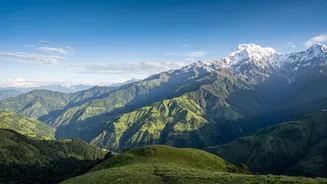
For trekkers, September offers a trade-off. In the first half of the month, lower-altitude trails (below 3,000 meters) can be muddy, slippery, and plagued by leeches. However, the post-monsoon scenery is breathtaking, with roaring waterfalls, vibrant forests, and blooming landscapes. As September moves on, trails dry out and the leeches disappear. Higher-altitude treks, such as the Everest Base Camp or Annapurna circuits, become increasingly favourable, with high passes generally clear of snow. The advantage of trekking in late September is enjoying these pristine conditions with far fewer people on the trails and in the teahouses compared to the October peak.
Flights, Clouds, and Flexibility
Just as with roads, air travel is subject to the whims of the weather. Lingering monsoon clouds and poor visibility, especially in the mornings, frequently cause delays and cancellations for domestic flights. This is particularly true for flights to mountain airstrips like Lukla, the gateway to the Everest region, which rely on clear visual conditions for landing. International flights into Kathmandu can also face diversions or delays. The key to managing this uncertainty is flexibility. Always book flights for the earliest departure of the day, as weather is typically better in the morning. Most importantly, avoid scheduling tight connections and have a backup plan in case of cancellation.
The Silver Lining: Festivals and Fewer Crowds
Despite the logistical hurdles, September holds significant rewards. The landscapes are at their most green and vibrant, a paradise for photographers. The air, washed clean of dust, offers stunning clarity for mountain viewing as the month progresses. Culturally, September can be a fantastic time to visit. Depending on the lunar calendar, you might witness major festivals like Indra Jatra in Kathmandu, which marks the end of the monsoon with colourful processions and masked dances. The biggest Hindu festival, Dashain, sometimes begins in late September, offering a fascinating glimpse into Nepali family and community life. Combined with the smaller crowds, these experiences can make a September trip exceptionally memorable.