



Hoh Rainforest, Washington
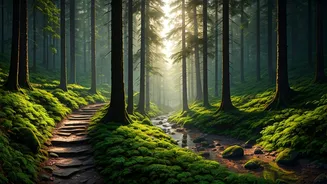
This isn't just a forest that gets a lot of rain; it's a living cathedral sculpted by it. Located within Olympic National Park, the Hoh Rainforest receives an average of 12 to 14 feet of precipitation annually. The result is a landscape so intensely green
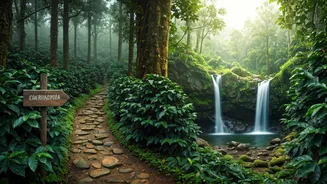
it feels otherworldly. Giant Sitka spruce and Western hemlock trees are draped in thick carpets of clubmoss and spike moss, creating ethereal tunnels like the famous Hall of Mosses trail. The constant dampness mutes sound, creating a profound sense of peace broken only by the drip of water from fern fronds and the occasional call of a Pacific wren. This is the definition of a destination that is at its absolute best when it’s drizzling, when the mist hangs low and transforms the entire forest into a fairytale.
The Gorges of Appalachia, North Carolina
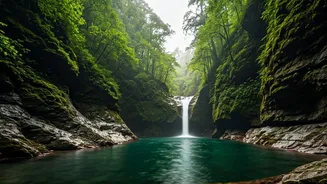
While the Pacific Northwest gets the rainforest credit, the Southern Appalachians harbor their own temperate rainforests, hidden within deep gorges and misty coves. The area around Gorges State Park and Panthertown Valley in North Carolina is a prime example. Here, frequent rainfall feeds a staggering number of waterfalls—from delicate cascades to thunderous plunges. Unlike the sun-baked trails of the West, these paths are soft underfoot with damp earth and moss. The air is thick with the smell of wet stone and rich soil. Exploring here feels like stepping into a lost world. The beauty isn't in wide-open vistas, but in the intimate details: the glistening spiderwebs, the vibrant fungi clinging to fallen logs, and the roar of a waterfall you hear long before you see it through the dense rhododendron.
Ketchikan, Alaska
Proudly nicknamed the "Rain Capital of Alaska," Ketchikan embraces its wet reputation. This small city, built on stilts along the shores of the Tongass Narrows, is the gateway to the vast Tongass National Forest—the largest temperate rainforest in the world. Here, rain is simply part of the fabric of life, nourishing the towering cedars and fueling the legendary salmon runs that clog its creeks. Instead of hindering adventure, the rain enhances it. Kayaking in a misty fjord feels more mysterious. A walk along Creek Street, with its colorful historic buildings reflected in the wet boardwalks, becomes more atmospheric. The weather here isn't an inconvenience; it’s the engine of a robust, wild ecosystem that makes Southeast Alaska one of the most dramatic landscapes in the country.
Alakaʻi Wilderness Preserve, Kauaʻi
When people dream of Kauaʻi, they picture sunny Poʻipū Beach. But the heart of the “Garden Isle” is a world away from the resorts. High in the mountains lies the Alakaʻi Wilderness Preserve, one of the wettest spots on Earth. This is not a jungle but a high-altitude swamp, a fragile, mist-shrouded plateau accessible via a series of boardwalks that protect the delicate ecosystem. Walking here is a surreal experience. The air is cool, and the landscape is dominated by gnarled ʻōhiʻa trees, giant ferns, and rare native birds found nowhere else. The boardwalk seems to float over a sea of clouds, leading to the Kilohana Lookout, which on a rare clear moment offers a breathtaking view into Hanalei Valley. This is the source of Kauaʻi’s magic—the constant mountain rain that feeds the rivers and carves the canyons, including the famous Waimea.