


Beyond Juice and Soda
For years, the non-drinker at an Indian gathering was an afterthought, politely handed a cola or a packaged juice. But a quiet revolution is taking place in our homes and at our bars. Enter the botanical mocktail. This is not your childhood Rooh Afza
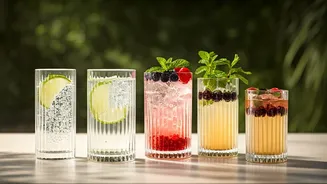
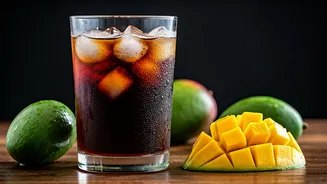
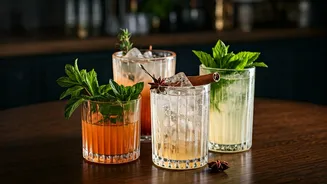
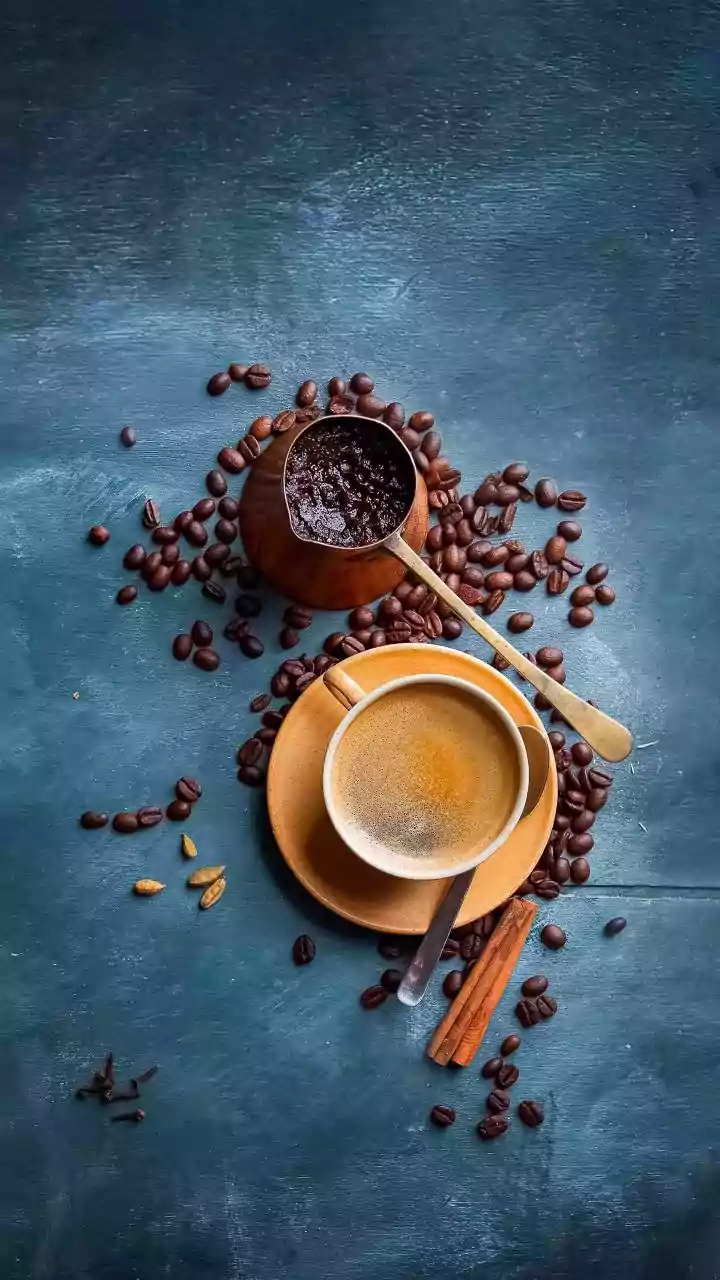
or a simple nimbu pani. These are sophisticated, adult beverages crafted with the same care and complexity as a high-end cocktail. Think of gin-botanical principles, but without the gin. They are built on layers of flavour using infusions, house-made syrups, artisanal shrubs (drinking vinegars), and a bouquet of fresh herbs, spices, and edible flowers. The focus is on creating a complete sensory experience—from the aroma and the intricate garnish to the lingering taste on the palate. It's a drink designed to be savoured, not just consumed.
The Sober-Curious Shift
So, why now? The rise of the botanical mocktail is tied to several converging trends. Firstly, there's the global wellness movement, which has found a strong footing in urban India. More people are becoming 'sober curious' or adopting 'mindful drinking'—they aren't necessarily teetotalers but are choosing to consume less alcohol for health and lifestyle reasons. Secondly, there is a growing emphasis on inclusivity in hosting. A good host wants every guest to feel special, not just tolerated. Offering a beautifully crafted mocktail shows the same level of care and thought for a non-drinking guest as for someone enjoying a single malt. It elevates their experience from one of exclusion to one of celebratory inclusion. This is a move away from defining a party by its bar, and towards defining it by the quality of its welcome for everyone.
A Taste of Indian Terroir
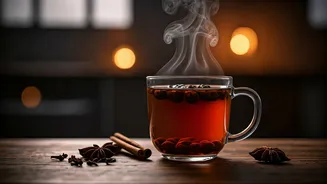
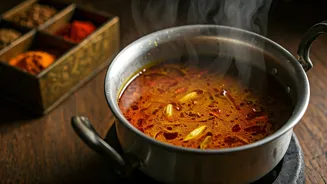
What makes this trend particularly exciting in the Indian context is the incredible pantry of botanicals we have at our disposal. This isn't just about borrowing a Western trend; it's about reclaiming and innovating with our own rich biodiversity. Mixologists and home enthusiasts are moving beyond mint and lemon to explore a universe of local flavours. We’re seeing drinks infused with holy basil (tulsi), the floral notes of jasmine and hibiscus, the delicate fragrance of kewra and vetiver (khus), and the bright, citrusy punch of Gondhoraj lemons. Spices like star anise, cardamom, and black pepper are being used to create complex syrups. Himalayan rhododendron flowers are being turned into cordials. This is 'farm-to-glass' in its most Indian form, creating drinks that are not only delicious but also tell a story of their origin, connecting the drinker to a specific region and its unique botanical heritage.
Hosting the Modern Way
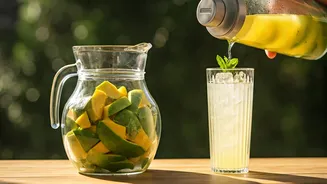
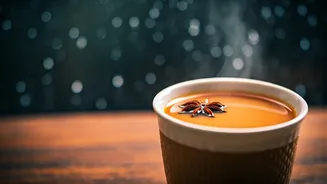
Incorporating this into your own hosting doesn't require a professional mixology degree. The key is to think in layers. Start with a quality base, like a good tonic water, sparkling water, or even a cold-brewed green tea. Then, add a layer of flavour with a homemade syrup. A simple ginger-honey or a tulsi-infused sugar syrup is easy to make and can be stored in the fridge. Next, add a fresh element—a squeeze of lime, a sprig of rosemary, or a few muddled pomegranate seeds. Finally, don't forget the presentation. A beautiful glass, a large, clear ice cube, and a thoughtful garnish (a citrus peel, an edible flower, or a cinnamon stick) can turn a simple drink into a showstopper. The goal is to create something that looks and feels like a treat, signalling to your guest that their choice is being celebrated.