



An Answer to an Unpredictable Climate
The primary reason for the heightened relevance of millets is their incredible resilience to climate change. As global temperatures rise and weather patterns become more erratic, staple crops like rice and wheat are facing increasing stress. Rice, in particular,
is a water-intensive crop, consuming a significant portion of India's groundwater. Millets, on the other hand, are hardy, drought-resistant crops that can thrive in arid conditions and on marginal lands with minimal inputs. Some varieties require less than 30% of the rainfall needed for rice. This makes them a climate-smart alternative that can ensure food security, especially for small and marginal farmers in rainfed regions who are most vulnerable to climatic disruptions. By cultivating millets, farmers can de-risk their livelihoods from unpredictable monsoons and rising heat.
The Nutritional Powerhouse We Need
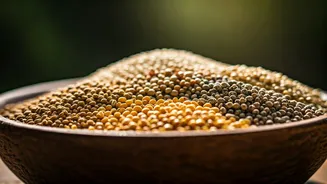
For decades, India's focus on rice and wheat during the Green Revolution, while crucial for food sufficiency, led to a decline in dietary diversity. Today, as lifestyle-related health issues are on the rise, millets offer a powerful nutritional solution. Compared to refined rice and wheat, millets are nutritionally superior. They are packed with protein, high in dietary fibre, and rich in essential minerals like iron, calcium, and magnesium. Finger millet (ragi), for instance, contains about 10 times more calcium than rice or wheat. With a lower glycaemic index, millets release sugar into the bloodstream slowly, making them an ideal food for managing diabetes, a growing concern in India. Their gluten-free nature also caters to a growing segment of the health-conscious population.
An Economic Lifeline for Farmers
While profitability has been a challenge, the growing demand for millets is turning them into a viable economic opportunity for farmers. Previously seen as a poor man's grain, millets are now being rebranded as 'superfoods' and 'nutri-cereals'. This shift is driving demand in urban markets. Government initiatives like the Odisha Millet Mission and others provide support through minimum support prices (MSP), improved seeds, and creating market linkages. Farmer Producer Organisations (FPOs) are being formed to help cultivators get better prices and tap into the value-added products market. While the returns may still lag behind rice and wheat in some cases, the low input costs and resilience of millets offer a more stable and sustainable income stream for farmers on less productive land.
From Traditional Kitchens to Modern Cafes
The final piece of the puzzle is the grain's successful integration into the modern Indian diet. The perception of millets is shifting from a difficult-to-cook, traditional food to a versatile and trendy ingredient. Start-ups and food companies are innovating with millet-based products like pasta, noodles, breakfast cereals, and ready-to-eat snacks, making them more convenient for urban consumers. This revival is also visible on menus in cafes and restaurants. Studies show that while barriers like taste and availability still exist for some, a growing number of consumers are willing to incorporate millets into their diets, driven by health benefits. In some urban surveys, nearly half of the respondents reported consuming millets at least once a week, signalling a significant shift in consumer behaviour.