


Tackle the Drips First
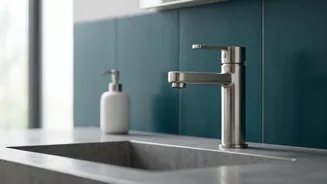
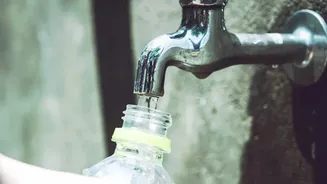
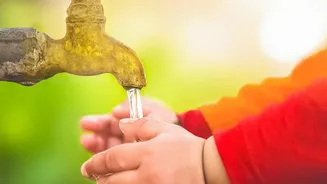
That persistent dripping sound is more than just an annoyance; it's a major source of water waste. A single faucet dripping at a rate of one drip per second can waste more than 3,000 gallons per year. That's enough water for over 180 showers. The average
household's leaks can account for more than 10,000 gallons of water wasted annually. Checking for and fixing leaks in faucets, showerheads, and pipes is one of the most effective first steps. Often, the fix is as simple as replacing a worn washer. Also, check your toilet for silent leaks by adding a drop of food colouring to the tank. If colour appears in the bowl within 10 to 30 minutes without flushing, you have a leak that needs attention. A leaking toilet can waste as much as 200 gallons every day.
Smarter Bathroom Habits
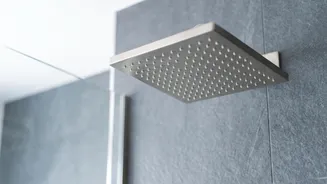
The bathroom is where a significant portion of indoor water use occurs. Turning off the tap while you brush your teeth can save up to eight gallons of water per day. Similarly, shutting off the water while shaving can save nearly 5,700 gallons per year. Consider shortening your shower by just a minute or two, which can save up to 150 gallons a month. While baths can be relaxing, a full tub uses far more water than a short, efficient shower. If you do take a bath, consider using less water. Modern low-flow showerheads and faucet aerators are also excellent investments, reducing water use without sacrificing pressure.
Water-Wise in the Kitchen
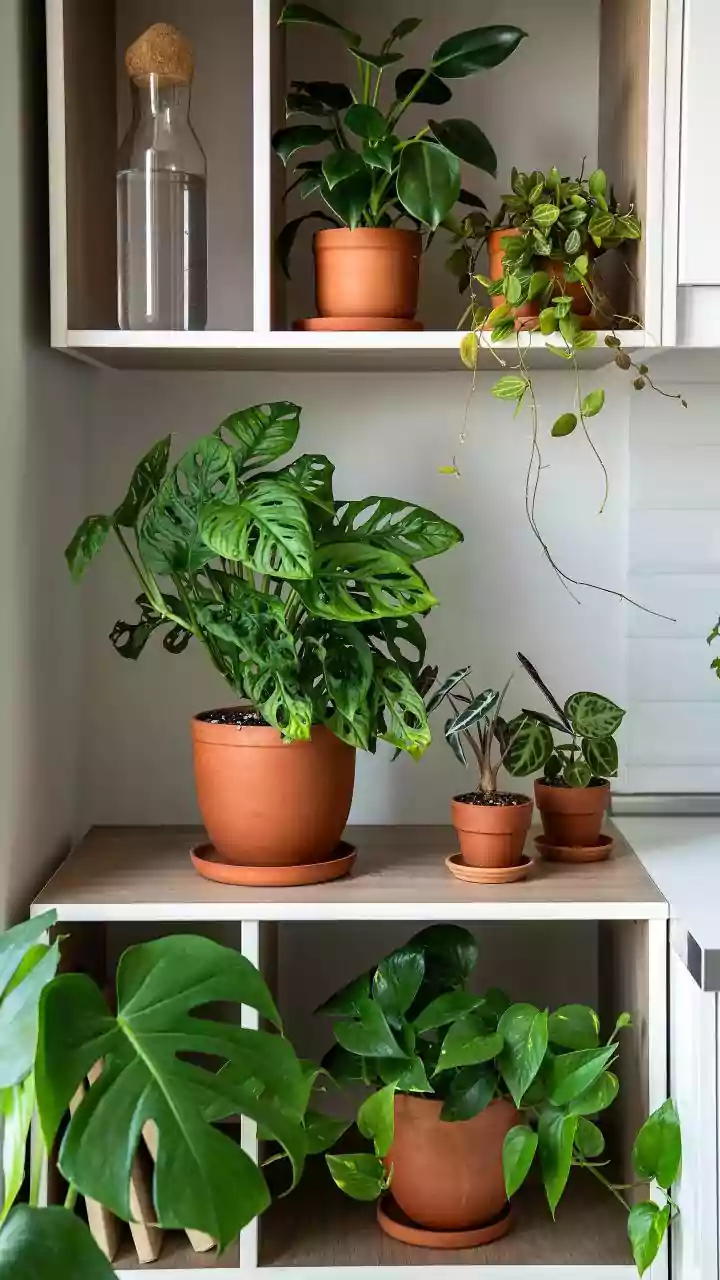
Your kitchen routine also offers numerous opportunities to save water. Instead of letting the faucet run to get cold drinking water, keep a pitcher in the refrigerator. When washing dishes by hand, fill one basin with soapy water and another with rinse water rather than letting the tap run continuously. If you have a dishwasher, always run it with a full load; this is often more water-efficient than hand-washing an equivalent number of dishes. Scrape food scraps into the compost or trash instead of rinsing plates under running water. Another easy win is to reuse water whenever possible. The water you use to rinse fruits and vegetables can be collected and used to water your houseplants.
Efficient Laundry and Outdoors
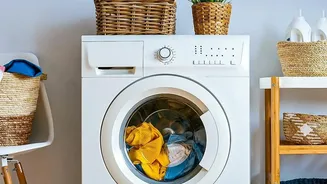
When it comes to laundry, the golden rule is to only wash full loads. This simple practice ensures you get the most out of the 40 to 50 gallons of water each cycle can use. If your machine has settings for load size, use them. Outdoor water use can also be a major consumer, especially for those with gardens or lawns. Water your plants early in the morning or late in the evening to reduce evaporation. When cleaning driveways or patios, use a broom instead of a hose. A garden hose can use more than 600 gallons of water per hour. Checking your hose connections for leaks is also crucial, as even a small leak can waste a surprising amount of water over time.