



More Than Just Comfort Food
The allure of traditional food goes far beyond a simple craving for familiar tastes. It serves as a potent marker of identity, connecting us to our history, family, and cultural roots. In a globalised world where culinary trends can feel homogenous, a plate
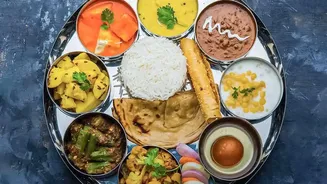
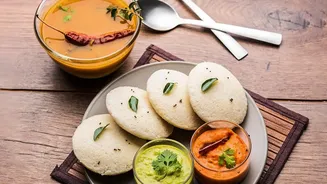
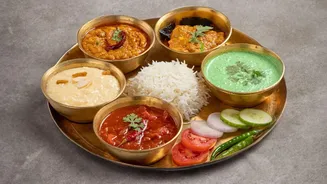
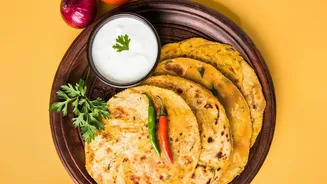
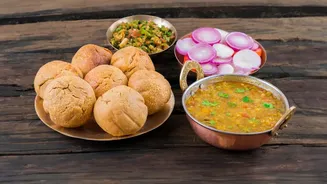
of dal, sabzi, and roti is a delicious declaration of who we are. Each region in India has a culinary identity shaped by its climate and history, from the coconut-infused dishes of the South to the robust wheat-based meals of the North. These recipes, often passed down through generations, are more than just instructions; they are stories, memories, and a tangible link to our heritage. This connection becomes even more crucial as modern life accelerates, providing a grounding force and a sense of belonging that a takeaway meal simply cannot replicate.
An Antidote to Modern Health Woes
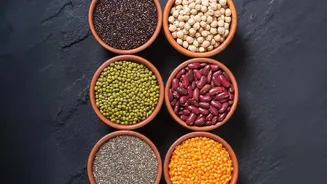
The modern diet, often dominated by processed and restaurant-ordered foods, is linked to a rise in lifestyle diseases. Studies consistently show that meals eaten out are significantly higher in sodium, unhealthy fats, and calories compared to home-cooked versions. Traditional Indian home cooking offers a powerful counterbalance. Rooted in Ayurvedic principles, it emphasises balance, fresh ingredients, and seasonality. The focus on plant-based foods like lentils, vegetables, and whole grains provides essential vitamins, minerals, and fibre. Spices like turmeric, ginger, and cumin, central to Indian cooking, are not just for flavour; they possess anti-inflammatory and antioxidant properties that boost immunity and aid digestion. By controlling the amount of oil and salt, home cooking directly supports better heart health, weight management, and overall well-being.
A Sustainable and Mindful Choice
At its core, traditional Indian cuisine is inherently sustainable. The emphasis on using local and seasonal produce naturally reduces the carbon footprint associated with food transportation and storage. This approach not only supports local farmers but ensures that ingredients are at their nutritional peak. Furthermore, traditional cooking methods often utilise every part of a vegetable, minimising waste. This philosophy contrasts sharply with the packaging-heavy culture of fast food and delivery services. Embracing traditional food is a form of mindful consumption, encouraging a deeper connection with where our food comes from and fostering a more sustainable relationship with our environment. The largely plant-based nature of many regional diets also means a lower environmental impact compared to meat-heavy cuisines.
Fostering Connection in a Hectic World
The act of preparing and sharing a traditional meal is a powerful ritual for building community. In Indian culture, food is central to hospitality, festivals, and family gatherings. It is a language of care and celebration. While today's schedules are demanding, the time spent cooking can be a meditative escape from digital distractions. Even simple, quick-to-prepare traditional meals can become an anchor for family life, a time to reconnect at the end of a busy day. Modern adaptations of traditional recipes and clever meal planning can make home cooking more accessible even for the busiest individuals. This shared experience around the dining table strengthens bonds and creates lasting memories in a way that eating out of a container rarely does.