






The Grandest Journey
Every year, during the bright fortnight of the Ashadha month (typically June or July), the coastal town of Puri in Odisha becomes the epicentre of a spiritual spectacle unlike any other. Rath Yatra, the Festival of Chariots, is not just a procession;
it is the annual journey of Lord Jagannath, his elder brother Lord Balabhadra, and their sister Devi Subhadra from their home in the Jagannath Temple to their aunt's residence, the Gundicha Temple. This journey, covering a distance of about three kilometres, is a public spectacle of devotion, drawing devotees from across the globe. They come not merely to watch, but to participate—to pull the ropes of the massive chariots and feel a direct connection to the divine. The belief is that a single touch of the chariot's ropes can grant salvation, making the event a deeply personal pilgrimage for millions.
Chariots of the Gods
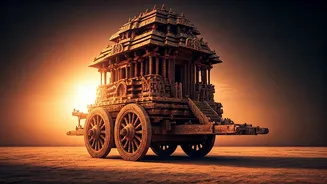
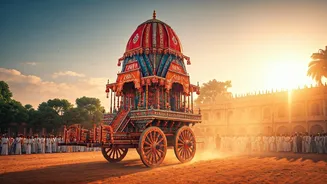
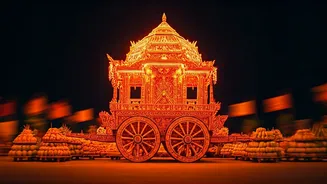
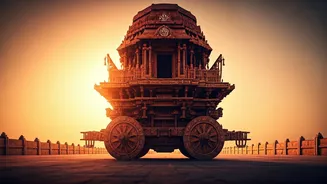
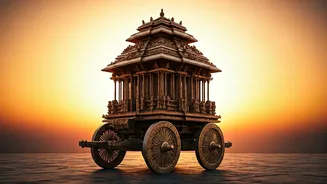
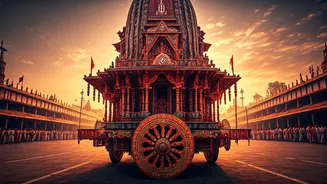
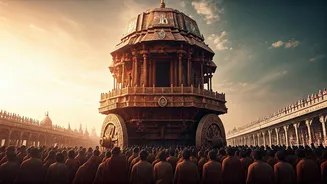
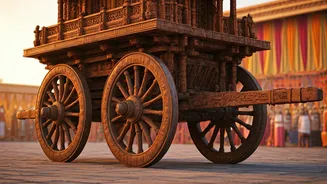
The stars of the festival are the three colossal chariots, constructed anew each year from specific types of wood by a dedicated team of craftsmen. These are not mere vehicles but moving temples, each with its own name, colour scheme, and divine occupant. Lord Jagannath's chariot, Nandighosha, stands approximately 45 feet tall, adorned with red and yellow fabrics. Lord Balabhadra's chariot, Taladhwaja, is covered in red and green, while Devi Subhadra's, Darpadalana, is draped in red and black. The sheer scale of these structures is breathtaking. Pulled by thousands of devotees, their slow, deliberate movement along the Grand Road (Bada Danda) feels like watching mountains roll through a valley of people. The rhythmic pulling, the chants of 'Jai Jagannath', and the resonating sounds of traditional instruments create a powerful, immersive atmosphere of collective faith.
Rituals of Humility and Celebration
The festival is steeped in rich symbolism and ancient rituals that underscore its core message of equality and devotion. One of the most significant ceremonies is the 'Chhera Panhara'. Before the chariots begin their journey, the Gajapati King of Puri performs the duties of a humble sweeper, cleaning the road before each chariot with a golden broom and sprinkling sandalwood water. This act symbolises that in the eyes of the Lord, everyone is equal, from the king to the commoner. Another key ritual is the 'Pahandi', the ceremonial procession where the massive wooden idols are brought out of the temple and placed onto their chariots. The deities, swaying gently, are carried in a unique, rhythmic procession that is both a visual treat and a deeply spiritual moment for onlookers, marking the beginning of their public outing.
A Unifying Spiritual Force
Rath Yatra is famously inclusive. Historically, it is one of the few occasions where those not permitted inside the main temple can have the 'darshan' (holy sight) of Lord Jagannath, who comes out to greet all his devotees, irrespective of caste, creed, or religion. This spirit of unity is the source of the festival's immense devotional energy. It’s a time when social barriers dissolve into a shared purpose. The collective effort of pulling the chariots, the shared chants, and the common goal of honouring the deities foster a profound sense of community. The energy is palpable—a mixture of physical exertion, spiritual ecstasy, and emotional release. It’s a living, breathing demonstration of faith that goes beyond scriptures and rituals, manifesting as a pure, powerful connection between the divine and the devotee.