





The Enemy's Nursery
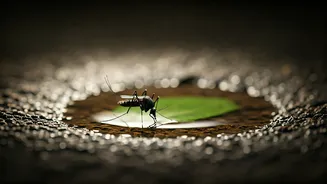
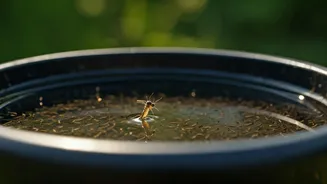
To defeat an enemy, you must understand it. The mosquito you see flying around is only the final stage of its life. The first three stages—egg, larva, and pupa—happen exclusively in water. A single female mosquito can lay hundreds of eggs in a container
as small as a bottle cap filled with water. Within just 7 to 10 days, those eggs can develop into fully grown, disease-carrying adults. The Aedes aegypti mosquito, the primary carrier of dengue, chikungunya, and Zika virus in India, is particularly notorious. It prefers to lay its eggs in clean, stagnant water found in and around our homes. By removing this water, you are not just killing a few mosquitoes; you are destroying an entire nursery before it can unleash a new generation of pests on your family and neighbours.
Your Home's Hidden Hotspots
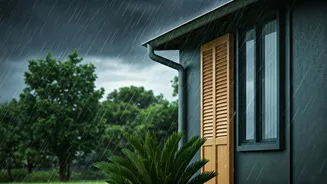
The key to effective mosquito control is a thorough inspection. Mosquitoes are resourceful and can find the tiniest pockets of water to breed. Your mission, which you should undertake at least once a week, is to find and eliminate them. Look in these common and not-so-common places: **Outdoors:** - **Plant Pots and Saucers:** Empty the saucers under your flower pots. If possible, avoid using them or fill them with sand. - **Discarded Items:** Tyres, coconut shells, broken pottery, plastic bags, and old buckets are perfect breeding grounds. - **Clogged Gutters and Drains:** Rainwater gets trapped in gutters blocked by leaves and debris. - **Tarps and Plastic Covers:** Water pools in the folds of plastic sheets used to cover cars, furniture, or construction materials. - **Bird Baths and Pet Water Bowls:** Change the water daily. **Indoors:** - **Air Cooler Trays:** Drain and clean your air cooler trays at least once a week. - **AC Drain Trays:** The tray that collects condensation from your air conditioner can become a breeding spot. - **Flower Vases:** Change the water in your vases every other day. - **Fridge Defrost Tray:** The tray at the back of your refrigerator collects water and is often forgotten. - **Bathroom Drains:** Pour a bucket of water down infrequently used drains to flush out any stagnant water.
The Weekly Search-and-Destroy Mission
Consistency is everything. Mosquitoes can complete their life cycle in a week, so a weekly check is non-negotiable, especially during the monsoon season. Turn it into a family activity. Dedicate 15 minutes every Sunday to a 'water walk' around your property. This simple routine can drastically reduce the mosquito population in your immediate vicinity. The principle is simple: if it can hold water, it can breed mosquitoes. Tip it over, drain it, or dispose of it. For water bodies that cannot be drained, like ornamental ponds, consider introducing larvivorous fish (like guppies) or using government-approved chemical larvicides, but always follow instructions carefully.
Beyond Water: A Layered Defence
While eliminating breeding sites is the most effective long-term strategy, it should be part of a multi-pronged approach to protect your family. Use mosquito repellents containing DEET or picaridin, especially during dawn and dusk when Aedes mosquitoes are most active. Install mesh screens on windows and doors to create a physical barrier. When sleeping, particularly if you have young children, using a mosquito net offers excellent protection. Wearing light-coloured, long-sleeved clothing when outdoors can also reduce your chances of being bitten. These additional layers of defence are crucial for comprehensive protection against mosquito-borne illnesses.
A Community-Wide Effort
Your efforts are vital, but mosquitoes don't respect property lines. If your neighbour's yard is a breeding ground, you will still have a mosquito problem. This is a community issue that requires a community solution. Talk to your neighbours, your Resident Welfare Association (RWA), or your local community leaders. Organise awareness drives and collective clean-up efforts. Report major water-logging issues in public areas to your municipal corporation. When an entire community works together to eliminate standing water, the impact is magnified, creating a safer environment for everyone. Your individual action is the first step in a collective movement for a healthier locality.