





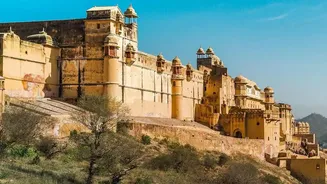
India's rich historical tapestry has a new reason to celebrate. The Sirpur Cultural and Archaeological Landscape in Chhattisgarh has been added to UNESCO's Tentative List, a crucial first step towards gaining the coveted World Heritage Site status.
A Lost City Rediscovered
Nestled
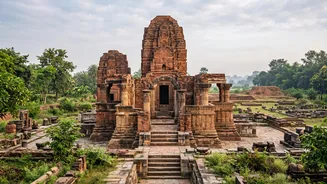
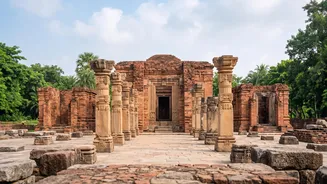
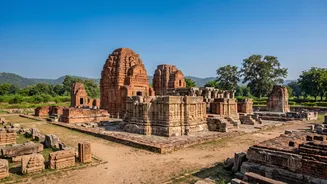
on the banks of the Mahanadi river, about 80 kilometres from Raipur, Sirpur was once a bustling capital city. Known anciently as Shripur, or the 'city of abundance', it served as the capital of the South Kosala kingdom under the Sharabhapuriya and later the Panduvamshi dynasties from the 5th to the 12th centuries. At its peak, it was a major centre for trade, culture, and education. The famous Chinese traveller Xuanzang (also known as Hiuen-Tsang) visited in the 7th century and wrote of a prosperous kingdom with over 100 monasteries and 150 temples. After the 12th century, the city mysteriously vanished from historical records, swallowed by the jungle, only to be rediscovered and extensively excavated starting in the 20th century, with major work beginning after 2000.
An Architectural and Religious Melting Pot
What makes Sirpur truly remarkable is its history of religious harmony. It was a rare centre where Shaiva, Vaishnava, Buddhist, and Jain traditions flourished side-by-side. This syncretism is etched into its ruins. Excavations have unearthed an astounding collection of monuments: 22 Shiva temples, 5 Vishnu temples, 12 Buddhist viharas (monasteries), and 3 Jain viharas. Among its most celebrated structures is the 7th-century Lakshmana Temple, one of India's best-preserved brick temples, dedicated to Lord Vishnu. Other significant sites include the Anandaprabhu Kuti Vihara and Teevardev Vihara, which showcase a blend of Hindu and Buddhist art, and the ruins of a sprawling market complex and royal palace.
What is the UNESCO Tentative List?
Gaining a spot on the Tentative List is a critical milestone, but it's not the final destination. The list is essentially an inventory of properties that a country believes have 'Outstanding Universal Value' and intends to nominate for World Heritage status within the next five to ten years. A site cannot even be considered for nomination unless it has first been on the Tentative List for at least a year. It serves as a forecast of future nominations, allowing UNESCO and its advisory bodies to plan and offer guidance. For Sirpur, this means its global significance has been formally recognized, paving the way for the next stage of its journey.
The Long Road to World Heritage Status
The path from the Tentative List to the final World Heritage List is a rigorous and lengthy one. The next step for India is to prepare a comprehensive nomination dossier. This exhaustive file must include detailed documentation, maps, and a compelling case for why Sirpur possesses 'Outstanding Universal Value' that transcends national boundaries. Once submitted, the dossier is evaluated by two independent advisory bodies: the International Council on Monuments and Sites (ICOMOS) for cultural sites and the International Union for Conservation of Nature (IUCN) for natural sites. These bodies conduct site visits and provide recommendations. Finally, the intergovernmental World Heritage Committee, which meets once a year, makes the final decision on inscription. The entire process can take several years, with countries typically limited to one nomination per year.