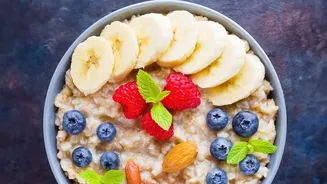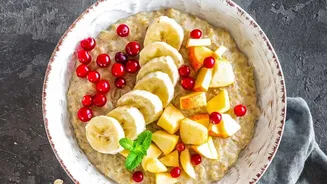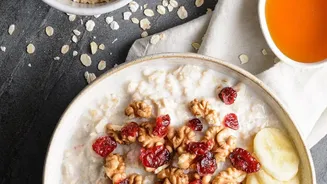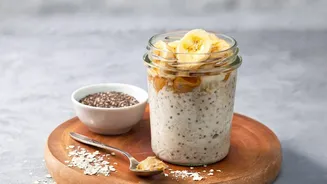








In the quest for a breakfast that is both quick and nourishing, overnight oats have become a modern staple. But a simple addition can elevate this humble meal: dried apricots, a small fruit that packs a mighty punch of natural flavour and nutrients.
Why Overnight Oats Are a Morning Win
Before
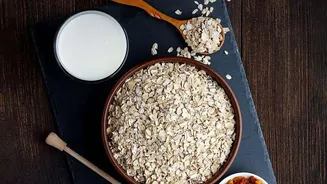
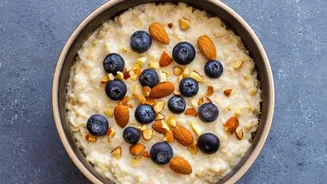
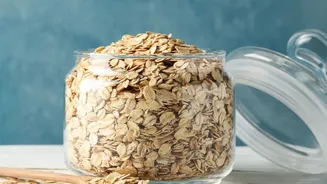
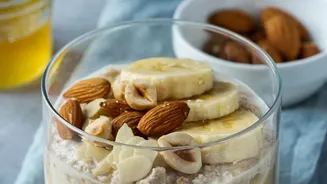
we dive into the golden goodness of apricots, let's appreciate the canvas: overnight oats. This no-cook method of making oatmeal involves soaking rolled oats in a liquid like milk or yoghurt. The process softens the oats, making them creamy and easy to digest. They are a fantastic source of complex carbohydrates and slow-release energy, preventing the mid-morning slump. The beauty of overnight oats lies in their versatility. They are a blank slate, ready to absorb the flavours of whatever you add, which is where dried apricots come in as a particularly brilliant co-star.
A Burst of Natural Sweetness
One of the biggest breakfast challenges is satisfying a sweet tooth without resorting to refined sugars. Dried apricots offer a perfect solution. The dehydration process concentrates the fruit's natural sugars, resulting in a sweet, chewy morsel that can replace honey or maple syrup. A standard serving of about three to four dried apricots provides this sweetness alongside other valuable nutrients, so it’s not just empty calories. When chopped and soaked overnight, they soften and infuse the entire jar of oats with a gentle, fruity sweetness, reducing the need for added sweeteners that can spike your blood sugar. For the cleanest option, look for unsulphured dried apricots, which are naturally sun-dried and have a darker brown colour.
The Underrated Power of Fibre
Dried apricots are a significant source of dietary fibre, a nutrient crucial for digestive health. A 100-gram serving contains about 7 grams of fibre. This fibre comes in two forms: soluble and insoluble. Soluble fibre dissolves into a gel-like substance that helps slow digestion, making you feel fuller for longer and aiding in weight management. It also plays a role in lowering 'bad' LDL cholesterol levels. Insoluble fibre adds bulk, promoting regular bowel movements and preventing constipation. This high-fibre content helps manage blood sugar by slowing its absorption, making your breakfast both satisfying and stabilising.
A Surprising Source of Iron
Often overlooked, dried apricots are a respectable source of plant-based (non-haem) iron. With roughly 2.7mg to 4.1mg of iron per 100g, they contribute to your daily needs for this essential mineral. Iron is a key component of haemoglobin, the protein in red blood cells that carries oxygen throughout your body. Adequate iron intake is vital for maintaining energy levels and preventing fatigue. For vegetarians and vegans, finding reliable plant-based iron sources is especially important. To maximise your body's absorption of this non-haem iron, it helps to pair it with a source of Vitamin C. A squeeze of lemon juice in your oats or a side of citrus fruit can make a big difference.
More Than Just a Trio of Benefits
While the headline heroes are sweetness, iron, and fibre, dried apricots bring even more to the table. They are exceptionally rich in beta-carotene, an antioxidant that the body converts into Vitamin A. This vitamin is essential for good vision, a healthy immune system, and glowing skin. Furthermore, dried apricots are packed with potassium, a mineral that helps regulate blood pressure by balancing sodium levels and is important for muscle function. They also contain smaller amounts of other important minerals like magnesium and calcium.
Getting the Most from Your Apricots
Incorporating this fruit into your morning routine is simple. For a single serving of overnight oats, two to three chopped dried apricots are plenty. Snipping them into smaller pieces with kitchen scissors is often easier than chopping with a knife. Adding them to the oat mixture the night before allows them to plump up and soften, releasing their flavour throughout the jar. You can also pair them with nuts like almonds or walnuts for added crunch, healthy fats, and protein, creating a well-rounded and deeply satisfying breakfast. Just be mindful of portion sizes; because they are so delicious and nutrient-dense, it's easy to eat too many.