






The End of Flimsy Plastic Bags
For years, the Indian solution to protecting a backpack from a sudden deluge was a masterclass in 'jugaad'. We’ve all been there: frantically trying to stretch a flimsy umbrella over our shoulders, strategically wrapping a bag in a garbage bag that inevitably
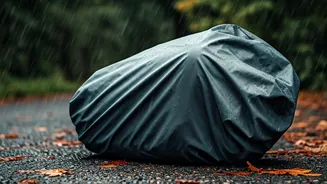
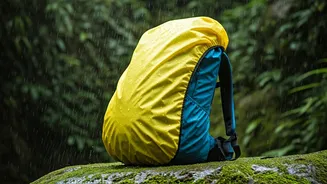
tears, or simply surrendering to fate and a soggy laptop. But as our daily carry becomes more valuable and our lifestyles more mobile, this makeshift approach is no longer cutting it. Enter the dedicated backpack rain cover. These are not just glorified plastic sheets; they are purpose-built shields designed to fit snugly over your bag, offering a robust, reusable, and far more reliable line of defence against the elements. Think of it as a high-performance raincoat, but for your most important gear.
Why Now? More Than Just a Trekking Fad
While backpack covers have long been a staple for serious trekkers and mountaineers, their recent surge in popularity among the general public is a new phenomenon. Several factors are driving this trend. Firstly, our backpacks now routinely carry expensive electronics—laptops for work, tablets for entertainment, and power banks that are essential for daily life. The cost of replacing these items far outweighs the small investment in a protective cover. Secondly, the rise of the 'work-from-anywhere' culture and an increase in domestic travel means more people are on the move, often with their entire mobile office on their back. Finally, accessibility has skyrocketed. A decade ago, you’d have to visit a specialised outdoor store to find a decent cover. Today, a vast array of options from brands like Wildcraft, Decathlon's Quechua, and dozens of others are available with a single click on e-commerce platforms, making them an easy and affordable addition to anyone's monsoon kit.
A Buyer's Guide: What to Look For
Not all backpack covers are created equal. To ensure you’re getting genuine protection, look for a few key features. The material is paramount. Look for durable fabrics like ripstop nylon or polyester, which resist tearing. Crucially, check for a Polyurethane (PU) coating, often indicated in product descriptions, which provides the waterproofing. A common mistake is confusing 'water-resistant' with 'waterproof'. A truly waterproof cover will also have taped or sealed seams to prevent water from seeping through the stitching—this is a non-negotiable feature for heavy rain. Fit is also critical. A good cover will have a strong elasticated edge to grip your bag securely, plus an adjustable strap or buckle that goes across the middle to prevent it from flying off in strong winds or getting snagged in a crowd. Most quality covers are also incredibly lightweight and come with their own compact pouch, allowing you to store it in a side pocket of your bag until the skies turn grey.
Beyond the Mountains: Everyday Urban Armour
The real story behind this trend is its expansion beyond the adventure travel niche. The modern backpack cover is a versatile tool for urban life. For the daily commuter in Mumbai or Bengaluru, it’s instant peace of mind during the unpredictable local train or metro journey. For college students ferrying laptops and library books across a sprawling campus, it’s a grade-saver. Even for a quick trip to the grocery store, it ensures your purchases make it home dry. Delivery executives, photographers, and anyone who works on the go are adopting these covers as an essential piece of professional equipment. They are a silent acknowledgment that our lives don't stop when it rains, and now, our gear doesn't have to suffer for it either. It's a small, practical upgrade that transforms the way you navigate the monsoon.