



The Airport That Changed Everything
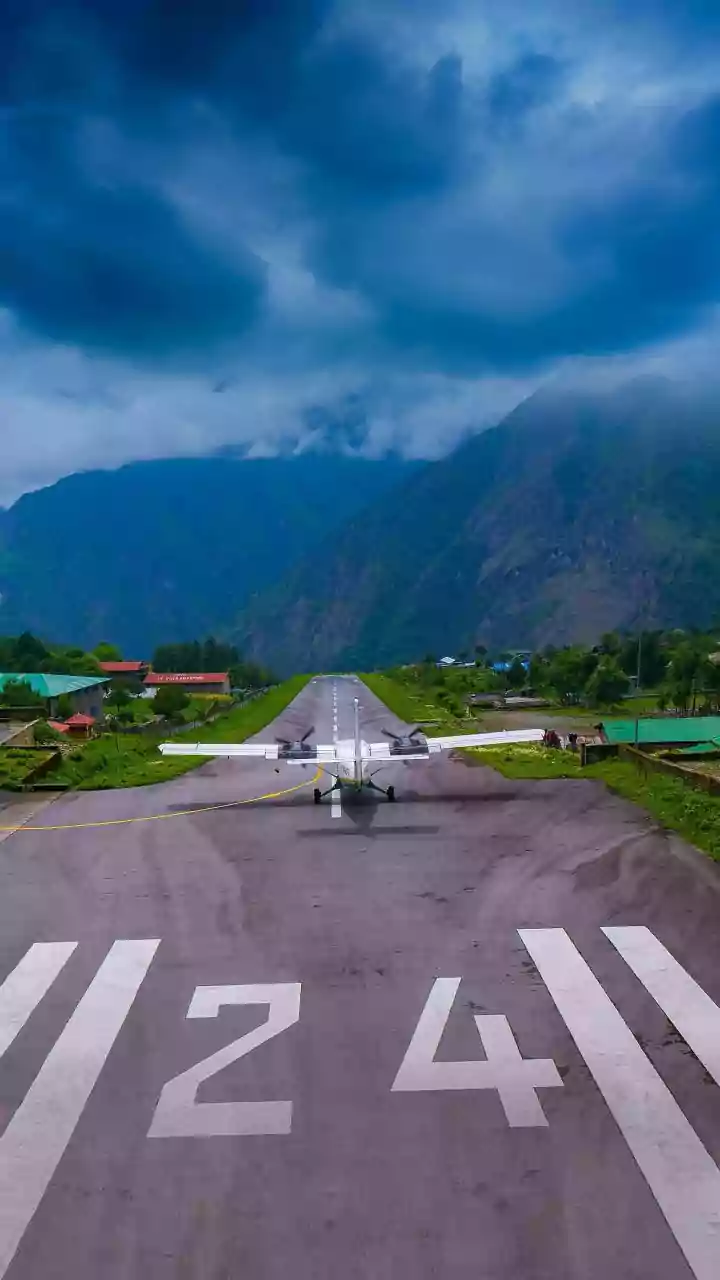
The primary driver behind Rupsi’s newfound fame is its airport (IATA: RUP). Originally a World War II-era airstrip built by the British, it lay defunct for decades after commercial operations ceased in 1984. After a significant redevelopment project under
the government's regional connectivity UDAN scheme, the airport became operational again in May 2021, re-establishing a crucial air link for lower Assam. This revival has dramatically improved access to the districts of Dhubri, Kokrajhar, Bongaigaon, and Goalpara, putting them on the map for travellers who were previously deterred by long road or rail journeys. According to a recent travel trends report from Skyscanner, flight searches for Rupsi have surged by over 500% year-on-year, placing it among the top trending destinations for Indian travellers.
A Gateway to Western Assam's Treasures
While the airport is the catalyst, the region it serves is the main attraction. Rupsi acts as a gateway to a part of Assam that is culturally rich and ecologically significant, yet remains largely unexplored compared to the state’s more famous destinations like Kaziranga or Majuli. This is a land of diverse communities, including Rabha, Bodo, and Rajbanshi, each with unique traditions. It offers a quieter, more authentic travel experience, appealing to those looking to venture off the beaten path. The area provides a blend of wildlife, history, and spiritual heritage, making it a compelling destination for various interests.
Wildlife and Natural Beauty
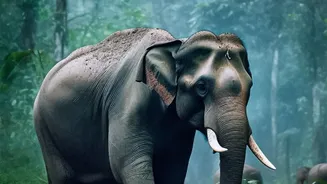
For nature lovers, the area around Rupsi is a treasure trove. The most significant is the Chakrasila Wildlife Sanctuary, the second protected habitat for the endangered Golden Langur in India. Spanning parts of Dhubri and Kokrajhar districts, this sanctuary is a hilly tract with forests and two large lakes, Dheer and Diplai, that are integral to its ecosystem. It’s home to leopards, porcupines, civet cats, and over 200 species of birds. The airport also provides easier access to Raimona National Park in Kokrajhar and even Manas National Park, a UNESCO World Heritage site, further broadening the options for wildlife safaris and birdwatching.
Culture, Crafts, and History
The region is steeped in history and culture. In Dhubri town, travellers can visit the Gurudwara Sri Guru Tegh Bahadur Sahib Ji, a historic Sikh shrine established by the ninth Sikh Guru in the 17th century. The area also reflects a history of religious harmony, with revered sites like the Panbari Mosque, considered one of Assam's oldest, and the Panchpeer Dargah. A short drive from Dhubri leads to Asharikandi, a village renowned for its traditional terracotta and pottery crafts. This craft village, which recently gained a GI tag for its unique artistry, is home to hundreds of artisans who have kept this ancient skill alive for generations. History buffs can also explore the Matiabag Palace in Gauripur, the former royal residence of the Gauripur family.
Planning Your Visit
Thanks to Rupsi Airport, getting to this corner of Assam is now straightforward, with direct flights connecting it to major hubs like Guwahati and Kolkata. The best time to visit is during the cooler, drier months from October to March, when the weather is ideal for sightseeing and exploring the outdoors. A typical trip could last a few days, allowing enough time to experience the region's key highlights, from the spiritual sites in Dhubri to the natural wonders of Chakrasila and the craft traditions of Asharikandi. The rising interest in Rupsi reflects a growing trend among travellers to seek out meaningful journeys in less-crowded destinations.