





What Exactly is Food Literacy?
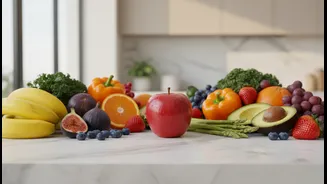
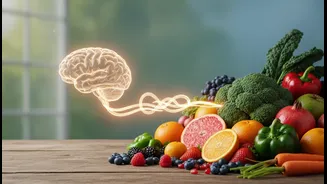
Think of food literacy not as a diet, but as a life skill. It’s the ability to understand where your food comes from, how it nourishes your body, and how to prepare it. It goes beyond just counting calories or labelling foods as 'good' or 'bad'. Instead,
it’s about building a confident and joyful relationship with what you eat. This includes everything from reading a nutrition label and knowing what’s in season, to understanding the impact of your food choices on your health and the environment. It’s about being an informed and empowered eater, capable of navigating a complex food world without falling for fads or quick fixes.
The Problem with Diet Culture
For many young Indians, the pressure to look a certain way is immense, often amplified by social media. This has fuelled a pervasive diet culture that promotes restrictive eating and moralises food. These fad diets, which often cut out entire food groups, may promise rapid results but are difficult to maintain and can lead to a cycle of guilt and yo-yo dieting. Studies show that this approach is not only unsustainable but can contribute to nutritional deficiencies, a negative body image, and disordered eating behaviours. The current dietary transition in India sees many young people replacing traditional meals with processed, high-sugar, and high-fat options, increasing the risk of health issues like metabolic syndrome at a younger age.
Food Literacy as the Empowering Alternative
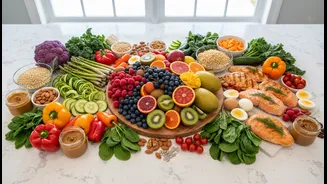
Food literacy offers a refreshing and sustainable alternative. By focusing on knowledge and skills, it empowers you to make conscious choices that align with your body's needs and your cultural background. This approach encourages listening to your body's hunger and fullness cues, a concept often called intuitive eating. Instead of viewing food as the enemy, you learn to see it as fuel and a source of pleasure. This mindset shift is crucial for building long-term health without the mental and emotional strain of constant restriction. It helps prevent chronic conditions related to poor diet, such as diabetes and heart disease, which are on the rise in India.
Reclaiming Our Rich Indian Food Heritage
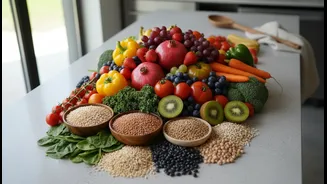
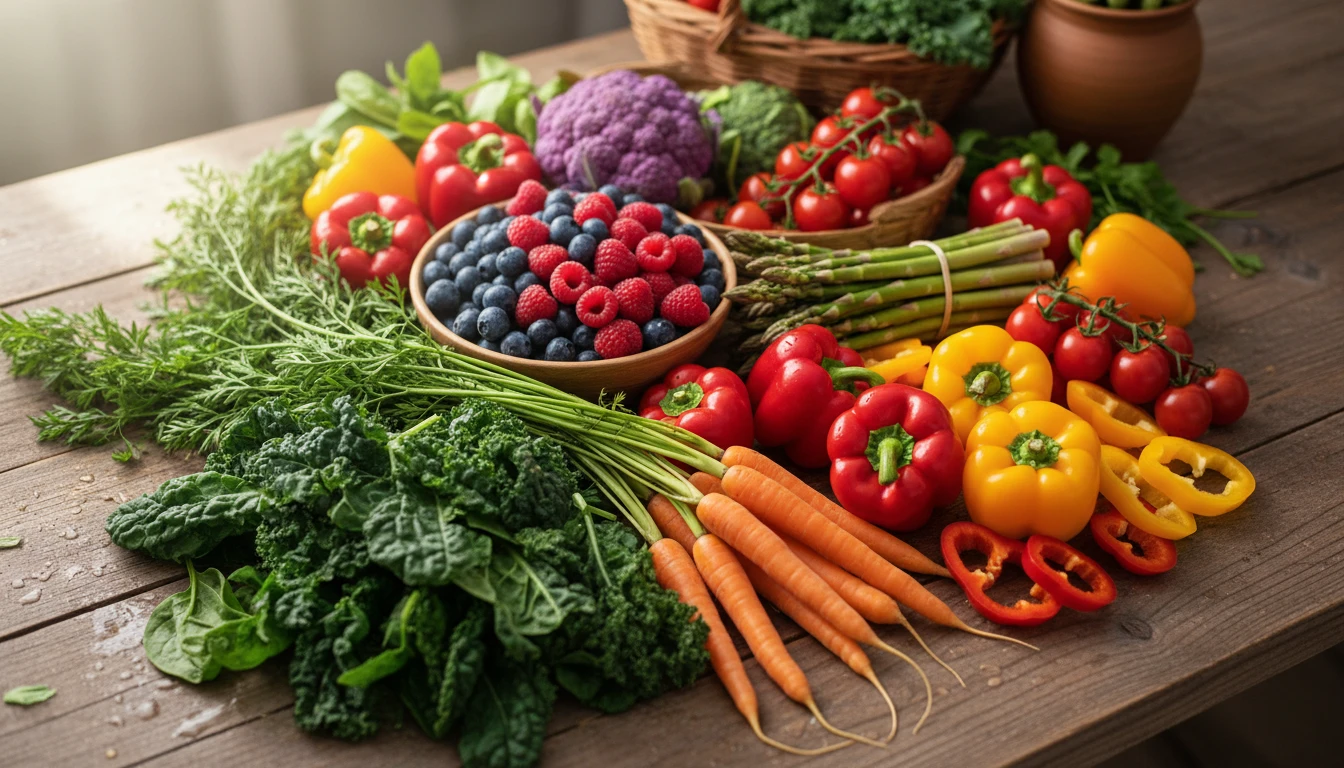
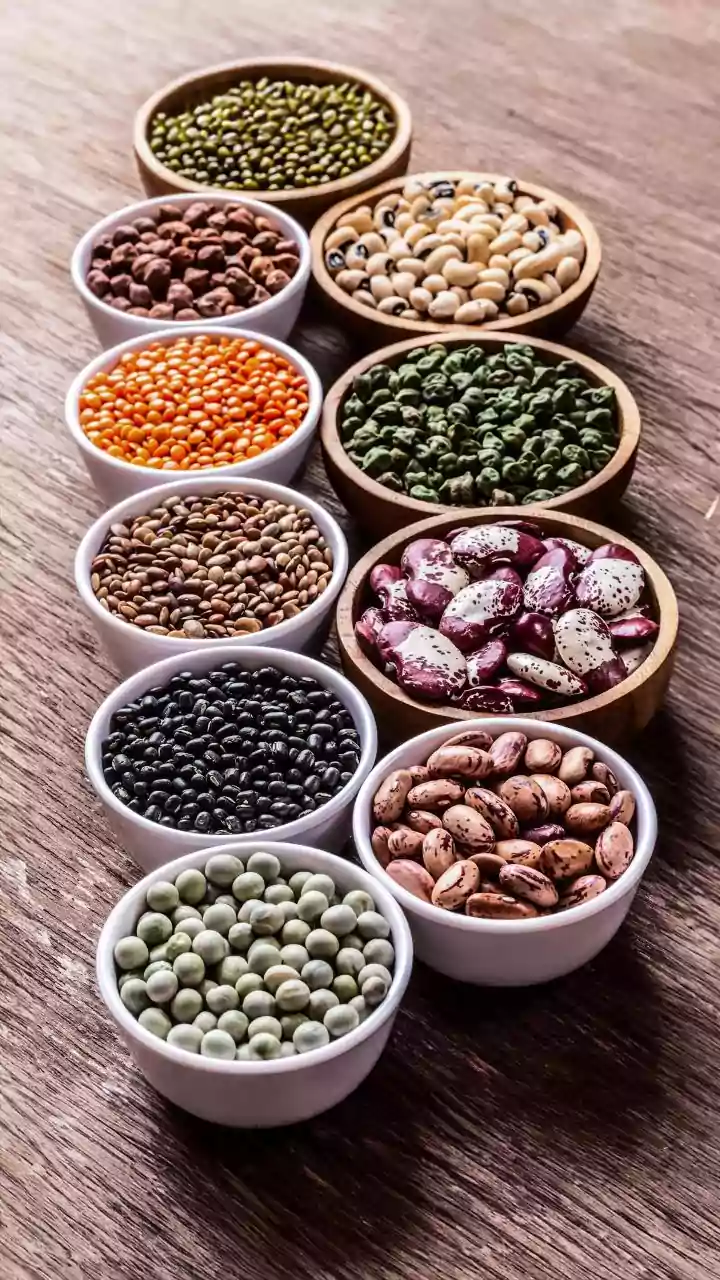
One of the greatest benefits of food literacy is its ability to reconnect us with our own culinary roots. Traditional Indian diets are incredibly diverse and nutritionally balanced, built on a foundation of whole grains, pulses, vegetables, and a remarkable array of spices. These spices, like turmeric, are not just for flavour; they contain powerful antioxidants and anti-inflammatory properties. Fermented foods like idli and dosa are natural sources of probiotics that support gut health. Unfortunately, some Western diet trends have wrongly demonised these wholesome foods. By becoming more food literate, young Indians can learn to appreciate and embrace the time-tested wisdom of their own food culture, adapting it for a modern, healthy lifestyle.
Practical Steps to Build Your Food IQ
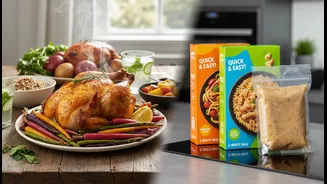
Developing food literacy doesn't require a complete life overhaul. You can start with small, manageable steps. Involve yourself in grocery shopping and learn to read nutrition labels to understand what's in packaged foods. Try cooking a few simple meals at home each week; following a recipe teaches invaluable skills about ingredients and portion sizes. Visit a local farmer's market to see what's in season and connect with where your food is grown. Talk to your parents or grandparents about traditional family recipes and the ingredients they use. These simple actions build confidence in the kitchen and create a more positive and knowledgeable connection with your food.