



What Exactly Is a Dead Hang?
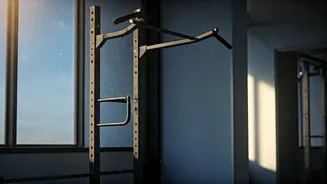
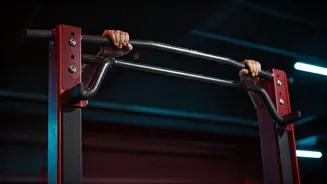
The dead hang is a simple yet powerful exercise that involves hanging from an overhead bar with your arms fully extended and your feet off the ground. Unlike a pull-up, this is a passive exercise; there's no pulling or movement involved. You simply let
your body hang, allowing gravity to gently stretch your upper body and spine. This movement targets multiple muscle groups, including your forearms, shoulders, and upper back, but its primary benefit for office workers lies in its ability to create space within the spinal column.
Why Your Back Hurts From Sitting
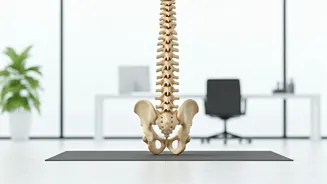
To understand how hanging helps, it's useful to know why sitting causes so much trouble. When you sit for prolonged periods, especially with poor posture, gravity constantly compresses your spine. The lumbar spine (lower back) is particularly affected. This pressure squeezes the fluid-filled discs between your vertebrae, which act as cushions. Over time, this can lead to stiffness, reduced mobility, and pain as the compressed discs may bulge and press on surrounding nerves.
How Hanging Decompresses the Spine
When you perform a dead hang, gravity works in your favor for once. The downward pull gently creates traction, increasing the space between your vertebrae. This decompression can help relieve pressure on the intervertebral discs, allowing them to rehydrate and potentially retract from any nerves they might be irritating. This process not only provides immediate relief but also improves circulation, which brings essential nutrients to the discs and can aid in their healing. Beyond the spine, dead hangs also provide a fantastic stretch for tight latissimus dorsi (lats), shoulder, and chest muscles, all of which can contribute to poor posture.
How to Perform a Dead Hang Safely
Proper form is crucial to reap the benefits and avoid injury. Start by using a secure overhead bar, like a pull-up bar in a doorway or at a gym. Use a stool or box so you can easily grip the bar without jumping. Grasp the bar with an overhand grip (palms facing away from you), with your hands placed slightly wider than your shoulders. Step off the stool and let your body hang with your arms straight. Keep your body relaxed and avoid shrugging your shoulders; let them rise naturally towards your ears. To prevent swinging, you may need to gently engage your core. If you're a beginner, start by holding the hang for just 10-20 seconds and gradually work your way up to a minute as your grip strength improves.
What If I Can't Do a Full Hang?
A lack of grip strength is a common barrier, but don't let it stop you. You can start with modified or 'active' hangs to build strength. An active hang involves pulling your shoulder blades down and back while hanging, which engages more back muscles. Alternatively, you can perform a supported hang by keeping your feet on the floor or on a box beneath you. This reduces the amount of body weight your hands have to support, allowing you to hang for longer and still get a good decompression stretch. As your grip improves, you can gradually transition to lifting your feet for a full dead hang.
Risks and Who Should Be Cautious
While dead hangs are beneficial for many, they are not suitable for everyone. Individuals with pre-existing shoulder issues, such as instability, hypermobility, or a history of dislocations, should be particularly cautious. The passive nature of the hang can put stress on the shoulder joint's ligaments and capsule. Abruptly dropping into a hang or releasing too quickly can cause sudden pressure shifts in the spine, which could potentially worsen a herniated or bulging disc. If you have scoliosis, a semi-hanging position with your feet on the floor is often recommended. It's always best to listen to your body and avoid any movement that causes sharp pain.