


The Great Carbohydrate Transformation
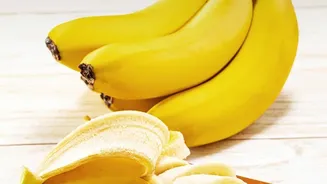
The primary difference between a raw, green banana and a soft, ripe one lies in a remarkable natural process. As a banana ripens, enzymes within the fruit begin to break down its complex starches into simple sugars like glucose, fructose, and sucrose.
This is why a firm, starchy green banana tastes mildly bitter, while a yellow, spotted banana is soft and distinctly sweet. This conversion is not just about taste and texture; it fundamentally changes how your body digests the fruit and uses it for energy. The total calories remain relatively stable throughout this process, but the type of carbohydrate you consume is completely different.
The Case for Green, Raw Bananas
A green banana is a powerhouse of resistant starch. This type of carbohydrate functions similarly to dietary fibre, as it 'resists' digestion in the small intestine. Instead, it travels to the colon, where it acts as a prebiotic, feeding the beneficial bacteria in your gut. This process supports a healthy gut microbiome, can improve bowel regularity, and may even enhance your body's ability to absorb certain minerals like calcium. For those managing blood sugar, green bananas are an excellent choice. Due to their high resistant starch content, they have a low glycemic index (GI), estimated to be around 30 to 42. This means they cause a much slower, more gradual rise in blood glucose levels compared to their ripe counterparts, promoting stable energy and a greater feeling of fullness.
The Power of Ripe, Yellow Bananas
As the starch converts to sugar, a ripe banana becomes a source of quick, easily digestible energy. With a higher GI, ranging from about 51 to 62, the natural sugars are rapidly absorbed into the bloodstream, making a yellow banana an ideal pre-workout snack or a quick energy booster during a mid-afternoon slump. Ripe bananas are also generally easier on the digestive system for many people. Individuals with sensitive stomachs may find the low-starch, soft texture more comfortable to eat. Furthermore, as a banana ripens and develops brown spots, its antioxidant levels may increase. While some water-soluble vitamins like Vitamin C might slightly decrease during ripening, core minerals like potassium remain largely unchanged.
Which Banana Should You Choose?
Ultimately, there is no single 'better' banana; the right choice depends on your individual needs. Choose a green banana if:
- Your goal is to improve gut health, as its resistant starch is an excellent prebiotic.
- You are managing your blood sugar levels and need a low-glycemic fruit to avoid spikes.
- You want to feel fuller for longer, which can aid in weight management.
Choose a ripe banana if:
- You need a quick source of energy before physical activity.
- You have a sensitive stomach or find green bananas difficult to digest.
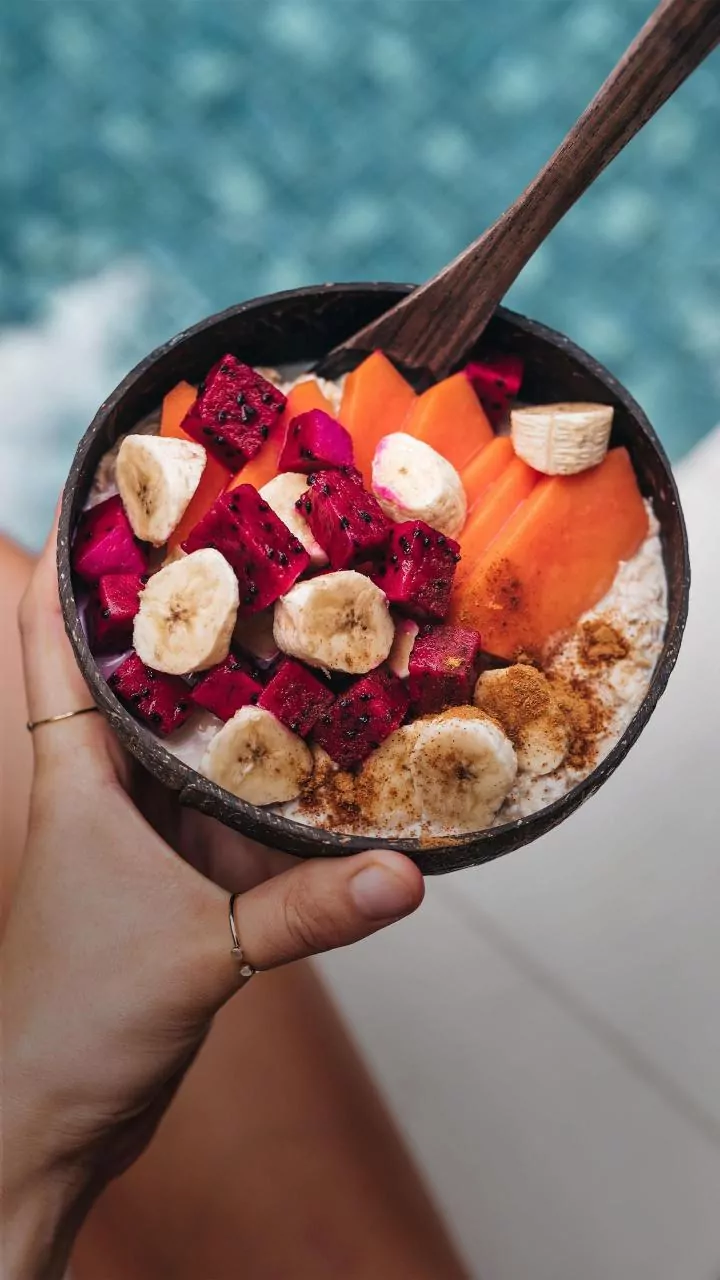
- You prefer a sweeter taste and a softer texture for snacking or adding to smoothies.