







The Monsoon Gauntlet on the West Coast
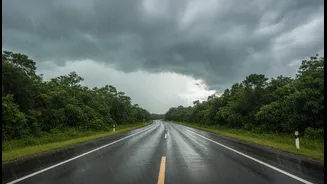
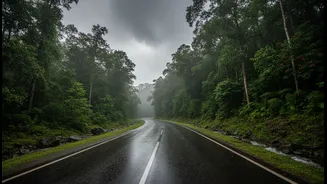
The corridor from Maharashtra through Goa and Karnataka to Kerala is beautiful but notoriously treacherous during the monsoon. The India Meteorological Department (IMD) has issued multiple alerts for heavy to extremely heavy rainfall across the Konkan,
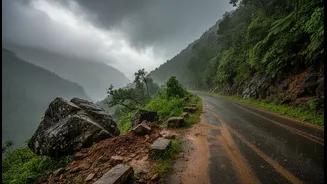
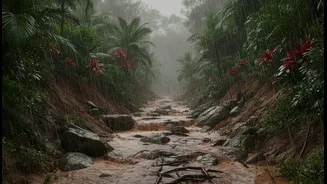
Goa, and coastal Karnataka regions. This intense precipitation saturates the soil in the Western Ghats, a region naturally prone to landslides. Recent reports from early July 2026 confirm these risks, with landslides causing closures on major arteries like the Mumbai-Goa National Highway at Kashedi Ghat and the critical Mumbai-Pune Expressway. This isn't just a matter of inconvenience; it's a significant safety concern. The combination of hilly terrain and powerful rainfall creates a volatile environment where roads can become impassable and rail lines can be compromised.
Choose Your Mode: Rail, Road, or Air?
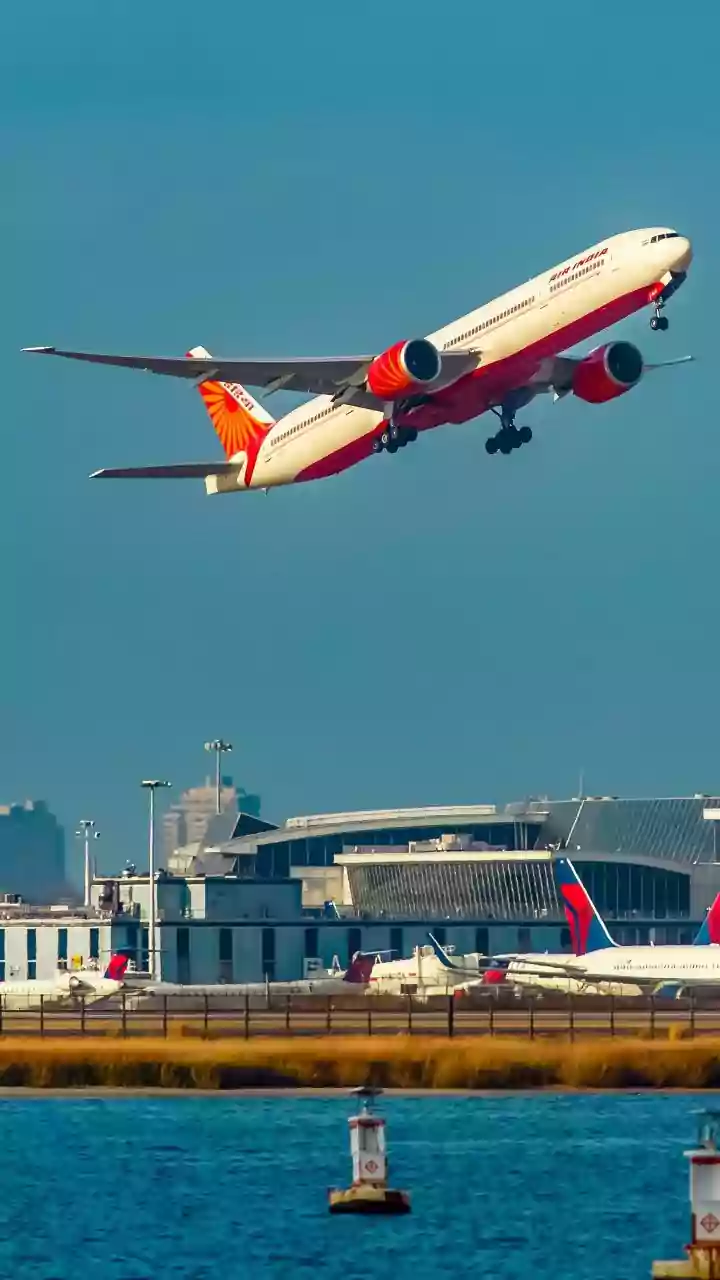
Each travel option presents a different set of challenges during the monsoon. While road trips offer flexibility, they are the most susceptible to sudden disruptions. National highways can be closed for hours or even days due to landslides and flooding, as seen recently in Maharashtra. Air travel is often the fastest alternative, but it's not immune to weather. Heavy rains and poor visibility in cities like Mumbai have led to flight diversions and significant delays. For many, the Konkan Railway offers a more reliable, albeit slower, option. In anticipation of the weather, Konkan Railway implements a special monsoon timetable from mid-June to late October, which involves running trains at reduced speeds to ensure safety. While this adds to the travel time, it is a planned delay, making it more predictable than a sudden highway closure. However, passengers should still verify schedules, as the frequency of some services, like the Vande Bharat Express, is reduced during this period.
Your Digital Toolkit for Smart Travel
In today's connected world, information is your best defense against travel chaos. Before and during your journey, a few key digital tools can provide crucial, real-time updates. Start with the IMD's official website or mobile apps for the most accurate weather forecasts and rainfall warnings for your entire route. For train travel, the National Train Enquiry System (NTES) app is indispensable for tracking the live status of your train and checking for any delays or diversions. If you are driving, use mapping services that provide live traffic data, which often reflects blockages and closures. Many state police departments and transport authorities also share real-time road conditions and advisories on social media platforms, making them a valuable source of on-the-ground information. The IMD specifically advises travellers in heavy rainfall areas to check traffic conditions and follow advisories before starting their journey.
Pack for Preparedness, Not Just the Destination
Monsoon travel requires a shift in packing strategy from focusing solely on the destination to preparing for the journey itself. Unexpected delays are common, so your bag should contain items to keep you comfortable and safe. A powerful, fully charged power bank is non-negotiable for keeping your communication devices alive. Download offline maps of your route, as mobile connectivity can be unreliable in remote or storm-affected areas. Pack a compact first-aid kit, along with any personal medications. Include extra snacks and a bottle of water, as you could be stranded for several hours without access to shops. A waterproof bag or cover for your electronics and important documents is also a wise addition. Finally, a good raincoat and sturdy, waterproof footwear are essential, even if you don't plan on spending much time outdoors.
Beyond Individual Planning: A Systemic Need
While individual preparedness is key, creating a truly weather-smart travel corridor requires systemic efforts. Authorities are increasingly using technology like the Geographic Information Systems Decision Support System (GEO-DSS) to monitor vulnerable areas and issue timely alerts in states like Maharashtra. Strengthening infrastructure in landslide-prone zones and enforcing scientific land-use regulations are critical long-term goals. For their part, transport operators like the Konkan Railway have demonstrated a proactive approach with their annual monsoon safety protocols, including intensified track patrolling and coordination with the IMD. As travellers, supporting and adhering to these safety measures—like respecting road closures and following official guidance—contributes to a safer environment for everyone. Authorities in affected areas like Idukki in Kerala have urged tourists to exercise extreme caution and avoid unnecessary travel through high-risk zones until conditions improve.