


An Ancient Secret Gone Viral
The practice of using rice water for beauty is far from new. Its roots trace back centuries in Asia. Most famously, the Yao women of Huangluo village in China, who are listed in the Guinness Book of World Records as having the “world's longest hair,”
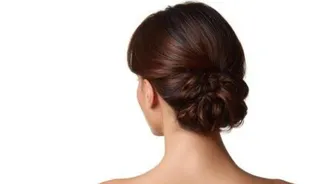
have traditionally used fermented rice water to wash their famously long, dark, and healthy locks. For generations, they’ve passed down this ritual, believing it keeps their hair strong and prevents it from greying well into old age. In recent years, this time-honoured tradition has been rediscovered and popularised by the global beauty community online, transforming a humble kitchen by-product into a viral wellness sensation.
The Science Behind the Splash
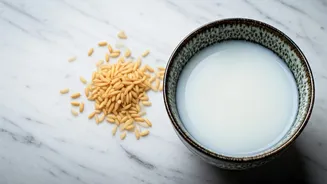
So, what's actually in rice water that makes it so appealing? The cloudy liquid is rich in nutrients that are rinsed from the rice grains. These include amino acids, which are the building blocks of hair protein, as well as vitamins B and E, minerals, and antioxidants. The star ingredient is often cited as inositol, a carbohydrate that some studies suggest can penetrate damaged hair and repair it from the inside out. For skin, the starches and vitamins in rice water are said to soothe inflammation, tighten pores, and brighten complexion. While large-scale clinical studies are lacking, the anecdotal evidence is strong, and the chemical composition provides a plausible explanation for why so many people see positive results.
How to Make It at Home
The beauty of the rice water trend is its simplicity and affordability. You can easily make it at home. There are two main methods: 1. **The Quick Soak Method:** Simply rinse half a cup of uncooked rice with water to remove any dirt. Then, place the rinsed rice in a bowl with two to three cups of water and let it soak for at least 30 minutes. Swirl it around and press the rice gently to help the nutrients release. Strain the water into a clean jar or bottle, and it's ready to use. 2. **The Fermented Method:** This is the more traditional and potent version. Prepare the rice water as above, but instead of using it immediately, leave it in a jar at room temperature for 12 to 24 hours. The fermentation process enhances the vitamin and nutrient levels and lowers the pH, making it closer to hair’s natural pH. Once it starts to smell slightly sour, move it to the fridge to stop the fermentation.
Your New Rice Water Ritual
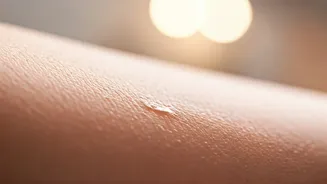
Integrating rice water into your routine is straightforward. For your hair, use it as a final rinse after shampooing and conditioning. Pour the rice water over your hair, making sure to saturate your scalp and lengths. Gently massage it in and let it sit for 5 to 20 minutes before rinsing thoroughly with cool water. Start by using it once a week to see how your hair responds. For your skin, you can use rice water as a gentle facial toner. After cleansing, apply it to your face with a cotton pad or pour it into a spray bottle and mist it on. Let it air-dry. Its anti-inflammatory properties can be especially soothing for irritated skin.
A Word of Caution
While rice water is natural, it may not be suitable for everyone. The main thing to watch out for is “protein overload.” Rice water contains amino acids that function similarly to protein treatments. For some hair types, especially low-porosity hair, using it too often can lead to stiffness, brittleness, and breakage. If you notice your hair feeling dry or straw-like, reduce the frequency or stop using it. It’s always a good idea to start slow and pay close attention to how your hair and skin react. Also, homemade rice water doesn't contain preservatives, so be sure to store it in the fridge and discard it after a week to prevent bacterial growth.