




The End of the Mess Hall Monopoly
For generations, the student dining experience was a simple, if uninspiring, choice: eat what the mess serves or spend precious cash on takeaways. Today, that model is cracking under the pressure of modern student life. Rising costs for everything from
tuition to transport mean budgets are tighter than ever. A single restaurant meal can equal the cost of several home-prepped ones. Simultaneously, a growing awareness around health and wellness, amplified by social media, has made students more conscious of what they consume. They want food that fuels their long study nights, not food that leads to a mid-afternoon slump. Add in dietary needs, from allergies to personal ethical choices, and the one-size-fits-all canteen menu suddenly seems incredibly outdated. This isn't just about disliking the food; it's a calculated move towards financial independence and physical well-being.
What 'Meal Prep' Really Means
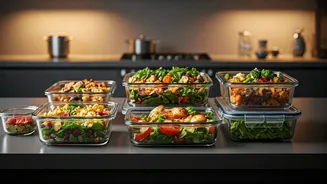
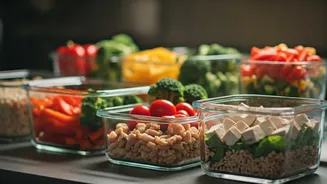
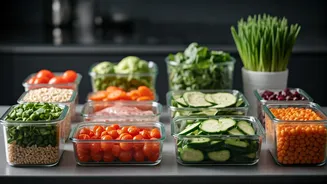
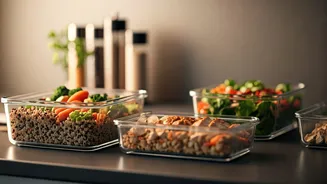
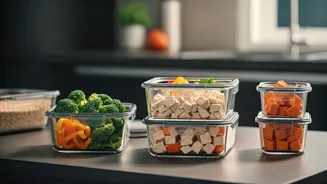
The term 'meal prep' might conjure images of perfectly portioned, identical containers of chicken and broccoli, but for the average Indian student, it's far more practical and adaptable. This isn't about rigid, Instagram-perfect meals. It’s about 'component prepping'. The new Sunday ritual involves not a full day of cooking, but an hour or two of smart work. This might mean boiling a large batch of potatoes or chickpeas, making a big pot of dal or rajma to last a few days, chopping onions and tomatoes to create a ready-to-use base for curries, or simply washing and cutting vegetables for quick stir-fries. It’s about doing the boring, time-consuming tasks in one go so that on a busy Tuesday night, a satisfying, home-cooked meal is only 15 minutes away, not an hour-long ordeal.
Your Dorm-Friendly Starter Kit
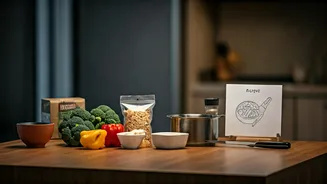
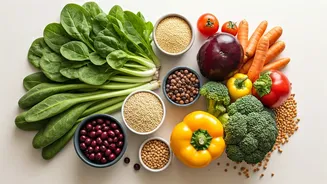
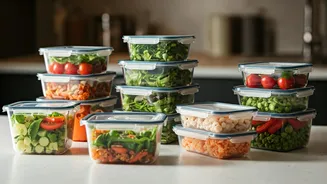
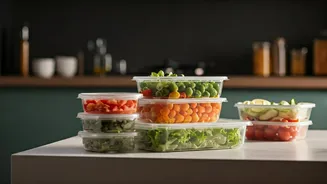
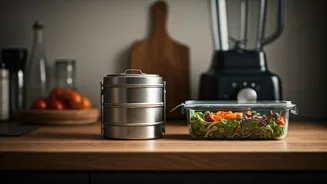
You don't need a gourmet kitchen to get started. The student meal prep arsenal is built on affordability and versatility. A good set of airtight containers is non-negotiable—they keep food fresh and prevent your entire room from smelling like last night's dinner. Beyond that, the essentials are few: a sturdy chopping board, a sharp knife, and a pressure cooker, which is a godsend for cooking lentils, rice, and even one-pot meals quickly. If your accommodation allows, a small induction cooktop and a couple of basic pans can turn a corner of your room into a functional kitchenette. For pantry staples, think long-lasting and versatile: rice, various dals, besan (chickpea flour), poha (flattened rice), spices, oil, onions, garlic, and potatoes. These form the backbone of countless quick and nutritious meals.
A Blueprint for Your Week
The goal is to reduce decision fatigue during a busy week. A simple plan might look like this: On Sunday, cook a large batch of chana masala and boil some rice. That’s Monday and Tuesday dinner sorted. You could also pre-boil some eggs for quick breakfasts or snacks. On Wednesday, use your pre-chopped veggies to whip up a quick vegetable pulao or a simple sabzi to eat with rotis bought from a local tiffin service. For Thursday, a quick tomato-and-onion omelette with bread is a protein-packed meal that takes five minutes. The key is flexibility. This isn't a strict diet but a system to make good choices easier. Having ready-to-go components means you're less likely to order that expensive, greasy pizza when you're tired and hungry after a long day of classes.
More Than Just a Meal
The benefits of this trend extend far beyond the plate. For many students living away from home for the first time, cooking a familiar dish like dal or a simple sabzi can be a powerful antidote to homesickness. It provides a sense of routine and accomplishment in the often chaotic university environment. There's also a significant social element. Cooking together has become a new way for flatmates and friends to bond, sharing costs, skills, and the final meal. In the high-pressure world of exams and deadlines, taking an hour to prepare food for the week is a form of self-care, ensuring that future-you is fed, healthy, and has one less thing to worry about.