

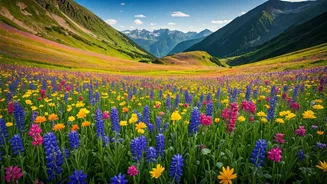
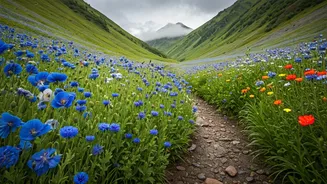
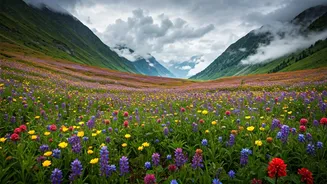


The Crucial Element: Timing Your Visit
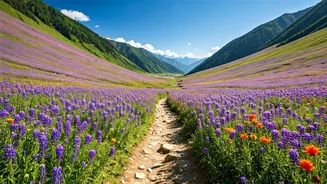
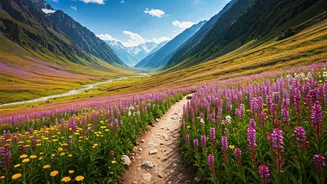
The window to visit the Valley of Flowers is narrow, typically running from the beginning of June to early October. However, the absolute best time for the most spectacular floral display is during the monsoon, from mid-July to mid-August. During this
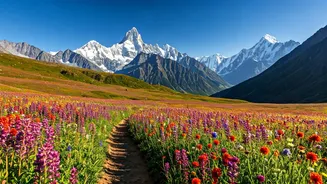
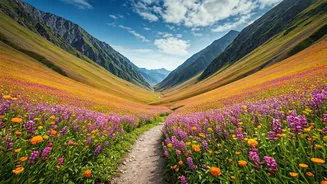
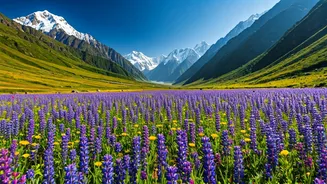
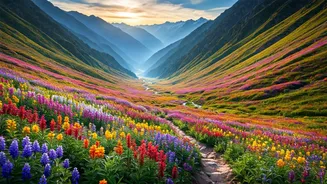
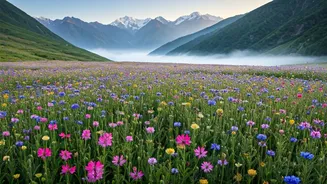
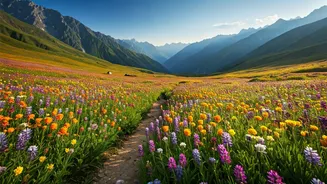
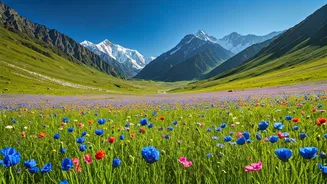
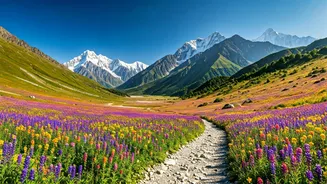
period, the rains trigger a mass blooming event, with over 500 species of flowers creating a breathtaking spectacle. Visiting in early July means fewer crowds and less rain, but also fewer blooms. August offers the peak floral variety, including the famous Blue Poppy, but it's also the busiest month. By September, the rains subside and the crowds thin, offering clearer skies but also fading flowers as autumn colours begin to take over.
Are You Fit Enough for the Challenge?
The trek is rated as easy-to-moderate, making it accessible for beginners who are reasonably fit. It does not require technical climbing skills, but it does demand good stamina. The entire journey involves trekking approximately 38-47 kilometres over several days, with significant altitude gains. The trek to the base camp, Ghangaria, is a 9-10 km walk on a well-paved but steady incline. From Ghangaria, the trek into the Valley itself is about 4 km, with some slippery and muddy sections. To prepare, it's recommended to start training at least a month in advance. A good benchmark is being able to jog 5 km in about 35 minutes or briskly walk 10 km without excessive fatigue. Exercises that build cardiovascular endurance and leg strength, such as jogging, cycling, and stair climbing, are highly beneficial.
A Typical Trek Itinerary
Most treks span about six days, starting from Rishikesh or Haridwar. The journey typically begins with a long drive to a base like Joshimath or Govindghat. From Govindghat, a short drive takes you to Pulna, where the trek officially starts. The first day of trekking is the 9 km ascent to Ghangaria (around 9,800 ft), which serves as the base for the Valley of Flowers and Hemkund Sahib. The following day is dedicated to exploring the Valley of Flowers. You trek 4 km into the valley, spend a few hours amidst the blooms, and return to Ghangaria by evening, as overnight stays in the park are not permitted. Many itineraries include an optional, more strenuous trek on the fourth day to the high-altitude Hemkund Sahib lake and Gurudwara (14,100 ft) before trekking back down to Govindghat on day five and driving back.
Permits and Other Essentials
A permit from the Uttarakhand Forest Department is mandatory to enter the Valley of Flowers National Park. These can be obtained online in advance or at the entry gate near Ghangaria. For Indian nationals, the fee is approximately ₹150-₹200 for a three-day pass. It is highly recommended to book online during the peak season to avoid disappointment. Beyond the permit, packing correctly is vital. Given the monsoon season, high-quality waterproof gear, including a jacket, pants, and a backpack cover, is non-negotiable. Sturdy trekking shoes with excellent grip are essential for the slippery and uneven trails. It's also wise to carry a basic medical kit, sunscreen, and enough cash, as there are no ATMs in Ghangaria.