




The Seduction of Sleek Design
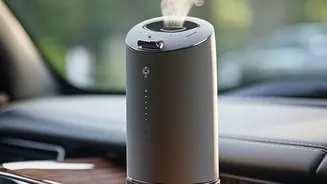
Walk into any electronics store or browse online, and you'll be met with a dazzling array of air purifiers that look more like modern art than home appliances. With minimalist aesthetics, fabric covers, and ambient lighting, brands have perfected the art of making
technology that seamlessly blends into our living spaces. It's easy to be tempted. After all, who wouldn't want a device that not only promises cleaner air but also complements the interior design? This focus on aesthetics, however, often distracts from the primary function of an air purifier. Many consumers make their choice based on how the device will look on their side table, assuming that a high price and a beautiful shell guarantee high performance. This is a risky assumption. An air purifier's job is to solve the 'pollutant question'—the specific challenge of removing harmful contaminants from your air. A beautiful device that fails at this core task offers a false sense of security.
Answering the 'Pollutant Question'
Before you can choose the right tool, you must understand the problem. Indoor air can be significantly more polluted than outdoor air, a fact that is especially concerning in India. Common indoor pollutants include PM2.5 (fine particulate matter that can enter the lungs and bloodstream), dust, and pet dander. Added to this are Volatile Organic Compounds (VOCs) released from paint, furniture, and cleaning supplies, as well as pollutants from cooking. An effective air purifier must be equipped to handle this specific mix of contaminants. A basic filter might catch dust, but it won't do much against tiny PM2.5 particles or gaseous VOCs. The 'pollutant question' is therefore not just about air that feels fresher, but about verifiably removing the invisible threats that can impact your family's health, from triggering allergies to causing long-term respiratory issues.
The Most Important Metric: CADR
If you remember only one acronym, make it CADR: Clean Air Delivery Rate. This is the most critical, standardized metric for an air purifier's effectiveness. Published by the Association of Home Appliance Manufacturers (AHAM), CADR tells you how much clean air the purifier produces in a given time, typically measured in cubic metres per hour (m³/h). A higher CADR means the device can clean the air in a room faster and more efficiently. It is usually broken down into three numbers for smoke, dust, and pollen. When comparing models, don't be swayed by marketing jargon; look for the CADR numbers. This figure is a direct measure of performance, cutting through claims about 'revolutionary technology' to give you a hard number you can use to make a real comparison. Ignore it, and you are essentially buying blind.
Matching the Machine to Your Space
A high CADR is great, but it needs to be appropriate for your room size. A powerful purifier is wasted in a tiny room, and an undersized one will struggle to make a difference in a large living area. A widely accepted rule of thumb is that the air purifier's CADR should be at least two-thirds of the room's floor area in square feet. For example, a room that is 150 square feet (10x15 feet) needs a purifier with a CADR of at least 100. Another important factor is the ACH, or Air Changes per Hour, which tells you how many times the device can filter the entire volume of air in a room every hour. For allergy sufferers or in highly polluted areas, you should look for a device that can achieve 4-5 air changes per hour. Always measure your room and check the manufacturer's recommended room size to ensure the purifier is powerful enough for your needs.
Beyond CADR: Filters and Other Features
While CADR measures speed, the type of filter determines what gets removed. A good air purifier will have a multi-stage filtration system. The first line of defense is often a pre-filter to catch large particles like hair and dust. The most important layer is the HEPA (High-Efficiency Particulate Air) filter, which is the standard for capturing at least 99.97% of airborne particles as small as 0.3 microns, including PM2.5, mould spores, and pollen. For gaseous pollutants like VOCs and odours from cooking or smoke, you need an activated carbon filter. Many design-forward purifiers skimp on the amount of carbon or use lower-grade filters. Always check for a 'True HEPA' filter and a substantial carbon filter. Secondary factors to consider are noise level (especially for a bedroom) and the ongoing cost and availability of replacement filters. A purifier is a long-term investment, and filter costs can add up.