







Two Paths to Intervention
Climate intervention, often called geoengineering, is the deliberate, large-scale manipulation of Earth’s climate systems to counteract global warming. The strategies generally fall into two main categories. The first is Carbon Dioxide Removal (CDR),
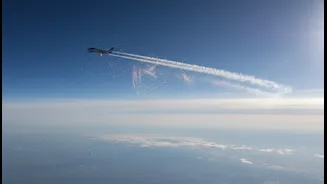
which involves pulling existing carbon dioxide from the atmosphere. Think of it like cleaning up a spill. Methods range from planting vast new forests to building high-tech machines that directly capture CO2 from the air. The second, and more controversial, category is Solar Radiation Management (SRM). This approach doesn’t remove greenhouse gases but aims to cool the planet by reflecting a small fraction of sunlight back into space. Proposed methods include injecting reflective aerosol particles into the stratosphere or brightening clouds over the ocean to make them more reflective.
An Idea Born of Desperation
The conversation around climate intervention is growing louder for a stark reason: progress on reducing greenhouse gas emissions has been too slow. With global temperatures continuing to break records and extreme weather events becoming more common, some scientists see intervention as a potential emergency measure to avert the worst impacts. They argue that research is necessary to understand these options, in case they are ever needed to reduce harms if the world overshoots its climate targets. It's viewed not as a replacement for cutting emissions, but as a potential supplement if other efforts prove insufficient to prevent catastrophic outcomes, like the collapse of ice sheets or other climate tipping points.
The Danger of a Dimmer Switch
Solar Radiation Management is the option that causes the most alarm among scientists. While climate models suggest it could cool the planet, the side effects are largely unknown and potentially devastating. Injecting aerosols into the stratosphere, for example, could disrupt weather patterns and alter the intensity of vital monsoon seasons that billions of people rely on for agriculture. It could also damage the ozone layer. One of the biggest fears is the “termination shock.” If an SRM system were deployed for years and then suddenly stopped for any reason—be it political instability, war, or technical failure—global temperatures could rebound with terrifying speed, at a rate far faster than the warming we see today, potentially causing mass extinctions.
Capturing Carbon: A Safer Bet?
Carbon Dioxide Removal is generally seen as less risky than SRM because it addresses the root cause of warming—excess CO2 in the atmosphere. However, it comes with its own major hurdles. Natural methods like reforestation are effective but require immense amounts of land, which could conflict with food production. Technological solutions like Direct Air Capture, where machines scrub CO2 from the air, are currently very expensive and require huge amounts of (ideally clean) energy to operate. There is also the challenge of storing the captured carbon permanently and ensuring it doesn't leak back into the atmosphere. While promising, scaling these technologies to a level that would make a significant dent in global emissions is a massive and costly undertaking.
The Geopolitics of a Global Thermostat
Beyond the scientific and environmental risks, climate intervention raises profound ethical and political questions. Who would control a global thermostat? A decision to deploy SRM, for instance, could benefit one region while causing droughts or floods in another, leading to international conflict. There is also the “moral hazard” argument: the very prospect of a technological fix could reduce the urgency for governments and industries to pursue the difficult work of cutting emissions today. Furthermore, there are significant concerns about justice and equity. Decisions about experimenting with or deploying these technologies could be made by a few wealthy nations or corporations, while the consequences, both good and bad, would be felt by the entire world, disproportionately affecting vulnerable populations.