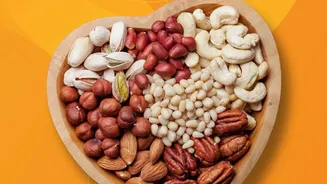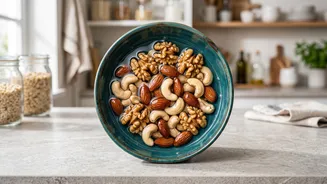






Nuts and seeds are nutritional powerhouses, but a simple, age-old step can make them even better. Soaking these healthy snacks before eating is said to unlock more nutrients and make them gentler on your stomach. Here’s how it works.
The Protective Shield of Nuts and Seeds
Raw nuts and seeds
contain natural compounds called phytic acid and enzyme inhibitors. In nature, these substances act as a defence mechanism, protecting the seed and preserving its nutrients until conditions are right for germination. Phytic acid binds to minerals like iron, zinc, magnesium, and calcium, while enzyme inhibitors prevent the seed from sprouting prematurely. While this is great for the plant's survival, these compounds can pose a challenge for human digestion. When consumed, they can interfere with our body's ability to absorb those very minerals the nuts and seeds contain, which is why phytic acid is often referred to as an 'anti-nutrient'.
How Soaking Unlocks Their Goodness
The simple act of soaking nuts and seeds in water mimics the natural process of germination. This signals to the seed that it's time to grow, which in turn helps to neutralise a large portion of the phytic acid and break down the enzyme inhibitors. By reducing these anti-nutrients, the essential minerals within the nut become more bioavailable, meaning your body has an easier time absorbing and utilising them. Soaking also encourages the production of beneficial enzymes that can increase the availability of certain vitamins, particularly B vitamins. While it may not literally 'maximise' absorption in a clinical sense, it significantly improves your body's access to the rich nutrition packed inside.
The Digestive Advantage
If you've ever felt bloated or heavy after eating a handful of raw nuts, their natural defense compounds could be the reason. The enzyme inhibitors can put a strain on your digestive system, forcing it to work harder. By soaking them, you're essentially pre-digesting the nuts, making them gentler on your gut. This process helps break down difficult-to-digest proteins and starches, which can lead to a noticeable reduction in digestive discomfort, especially for those with sensitive stomachs. The result is often a smoother, creamier texture and a much more comfortable eating experience.
A Simple Guide to Soaking Nuts and Seeds
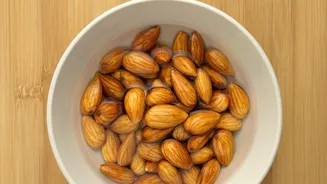
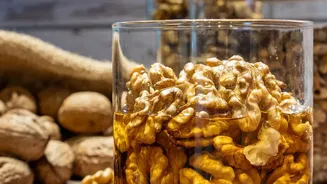
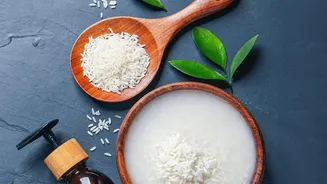
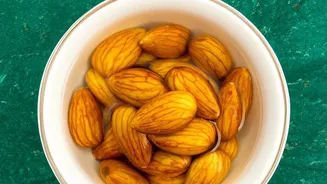
Getting started with soaking is easy. Here is a basic method: 1. Place your raw, unsalted nuts or seeds in a glass bowl or jar. 2. Cover them completely with filtered water, ensuring there is at least an inch of water above them as they will expand. Adding a pinch of sea salt to the water can help activate the enzymes more effectively. 3. Let them soak at room temperature. The time varies by type: harder nuts like almonds need 8–12 hours, while oilier nuts like walnuts need 6–8 hours. Softer nuts like cashews only require 2–4 hours. 4. After soaking, drain the water completely and give the nuts or seeds a thorough rinse. The cloudy soak water contains the phytic acid and enzyme inhibitors you want to discard. Your soaked nuts are now ready to be eaten, blended into smoothies, or used in recipes. For a crunchy texture, you can dry them in a dehydrator or an oven on its lowest temperature setting until crisp.
Which Nuts and Seeds Benefit Most?
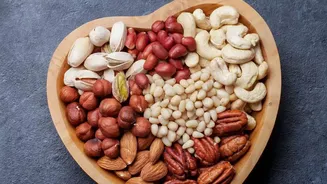
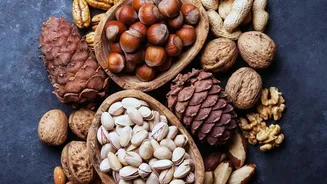
Most raw nuts and seeds benefit from soaking, but some more than others. Denser nuts with tough skins, such as almonds, walnuts, and hazelnuts, see significant improvements in texture and digestibility. Pumpkin and sunflower seeds also respond very well to soaking. However, some nuts and seeds behave differently. Cashews, which are almost always sold pre–steamed to remove a toxic shell oil, soak very quickly and can become slimy if left too long. Seeds like chia and flax don't need to be soaked and rinsed in the same way; they are hydrophilic, meaning they absorb water to form a gel that is itself beneficial for digestion.