



The Monsoon's Mixed Legacy
The Southwest Monsoon of 2026 was a season of contrasts. While some forecasts initially predicted below-normal rainfall due to El Niño conditions, other climatic factors appeared to moderate its impact, leading to varied outcomes across the country. Intense
spells of rain led to significant disruptions in the Himalayan states, particularly Uttarakhand, where landslides and road closures were frequent. In July and August, heavy showers resulted in the closure of over 100 roads, including National Highways, cutting off communities and posing challenges for disaster management teams. Conversely, other parts of the country experienced different patterns, setting up a complex stage for the winter tourism season, which typically runs from October to March. This variability is forcing both the tourism industry and travellers to adapt their plans.
Himalayan Highs and Lows
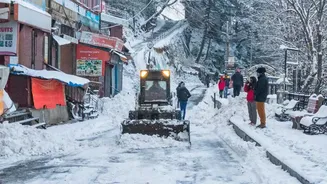
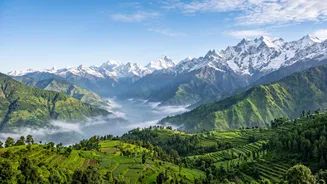
For the mountainous states of Himachal Pradesh and Uttarakhand, the tail end of the monsoon is a critical period. As of mid-September, the focus is on recovery and stabilisation. In Himachal, early September still carried risks of landslides on saturated slopes, especially on key routes like the highways to Shimla and Manali. However, conditions typically improve significantly by late September, which often marks the start of a 'sweet spot' for travel with lush post-monsoon greenery and clearer skies. Travellers planning winter trips to popular spots like Manali, Shimla, and their surroundings are advised to remain flexible. While road clearance crews work to stabilize primary corridors, the advice remains to travel during daylight hours and constantly monitor weather advisories. The heavy rains have left the landscape incredibly green, promising stunning autumn scenery, but the potential for delayed snowfall could also shift the timeline for the peak ski season.
Beaches, Backwaters, and an Early Start
Coastal destinations like Goa and Kerala are emerging from the monsoon with a positive outlook. In Goa, the tourism industry is gearing up for an early start to its international charter season. The first charter flight from Russia is expected to land on September 30, earlier than the usual start in the first week of October. This signals strong confidence in the upcoming season, with operators predicting an 8 to 10 per cent increase in charter flights. The period from November to February is considered the peak season in Goa, offering perfect weather for beaches, water sports, and festivals. For those seeking a quieter experience, October offers a unique window when the landscape is still intensely green from the rains, crowds are smaller, and prices are lower. The monsoon's retreat leaves the backwaters of Kerala serene and the entire coastline refreshed and ready to welcome visitors.
The Desert in Bloom
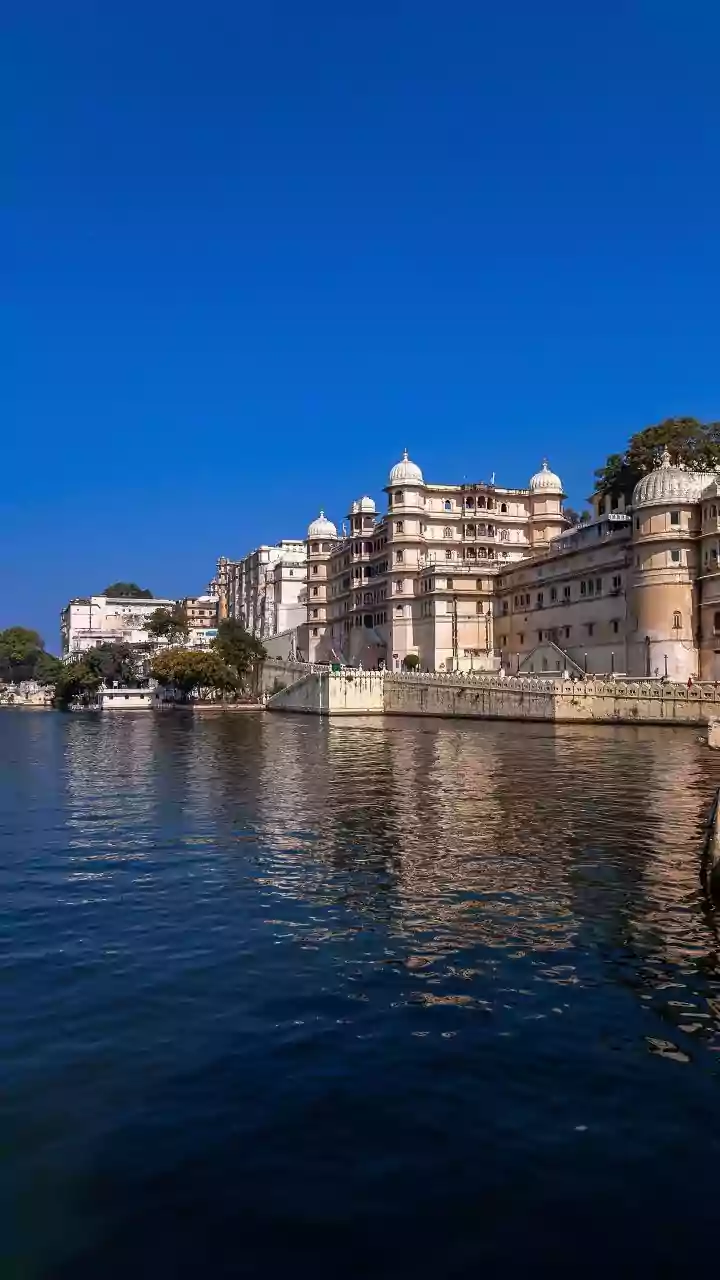
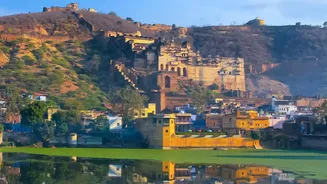
A good monsoon often brings unexpected benefits to India's arid regions, particularly Rajasthan. This year is no exception. Ample rainfall helps replenish the lakes in cities like Udaipur and infuses the desert landscape with a rare, temporary greenery. This makes the traditional winter circuit of Jaipur, Jodhpur, Udaipur, and Jaisalmer even more visually appealing. Rajasthan has already seen a strong tourism performance in the first half of 2026, with over 109 million tourist visits recorded by June, driven largely by domestic travellers. The pleasant winter weather, combined with a calendar full of cultural events like the Pushkar Fair and Jaipur Literature Festival, makes it a prime destination. With a refreshed landscape post-monsoon, the state is well-positioned for a busy and vibrant winter season.
How Travellers Are Adapting
The unpredictable nature of modern weather patterns is influencing how people plan their holidays. There is a growing trend towards experience-led journeys, where travellers prioritise wellness, culture, and nature over simply ticking off destinations. In 2026, many Indian travellers are also showing a strong preference for domestic exploration. The monsoon's impact has reinforced the need for flexibility. More travellers are booking with shorter lead times, paying closer attention to travel advisories, and choosing destinations that are more accessible. While a trip to a remote valley might require careful, last-minute planning, destinations with robust infrastructure are likely to see increased interest. The key for a successful winter trip this year will be staying informed and embracing a more adaptable approach to travel.