



First Things First: Flights and Visas
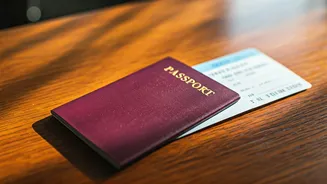
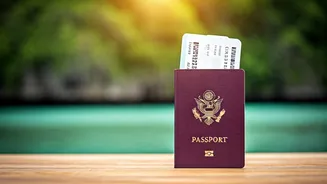
The biggest barrier to international travel is often the visa process and flight cost. Vietnam has spectacularly lowered both. For Indian passport holders, the 90-day e-visa is a game-changer. The online process is straightforward, costs around $25 USD,
and usually gets approved within a few working days. This removes the need for lengthy paperwork and embassy visits, making a last-minute trip genuinely possible. Furthermore, airlines like VietJet and IndiGo have been aggressively expanding direct routes from major Indian cities (Delhi, Mumbai, Bengaluru, Ahmedabad) to Hanoi and Ho Chi Minh City. Return fares can often be found for under ₹20,000 if you book a bit in advance or catch a sale, putting Vietnam in the same price bracket as a domestic holiday.
Choose Your Base: North vs. South
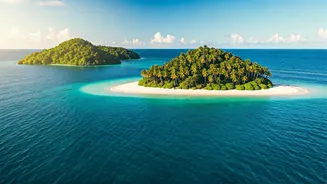
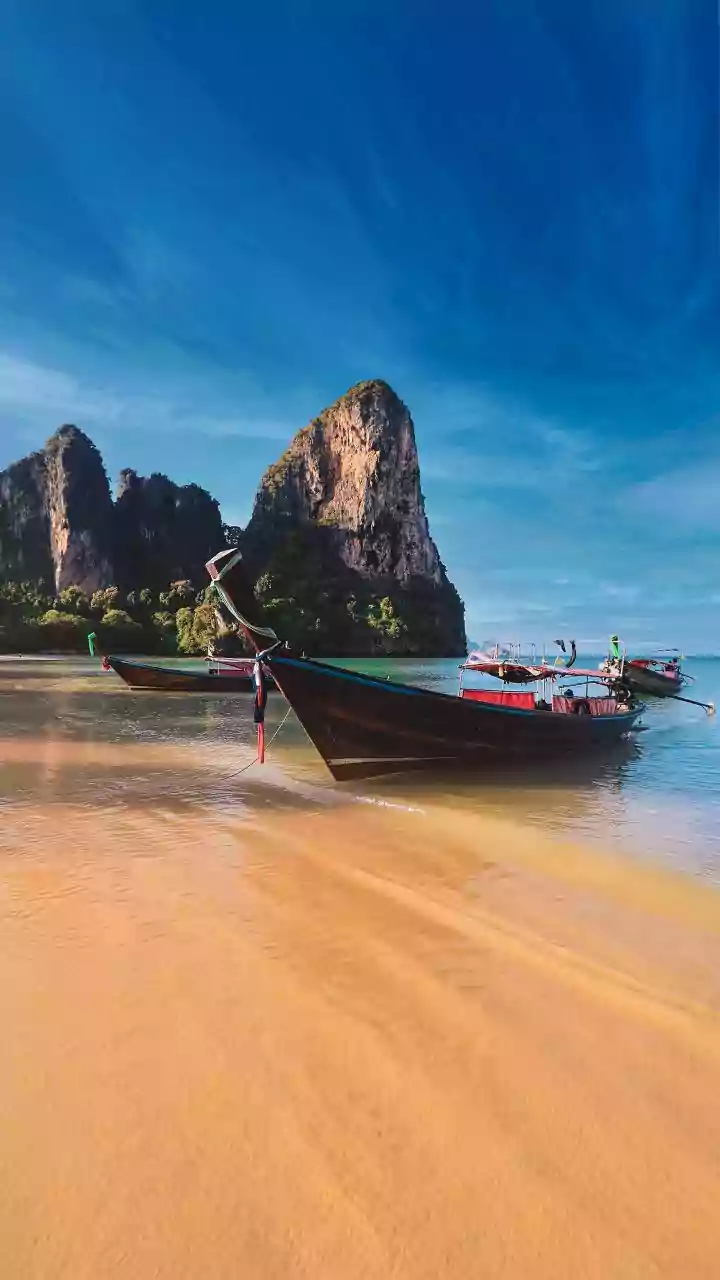
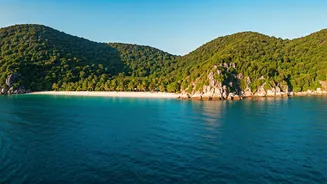
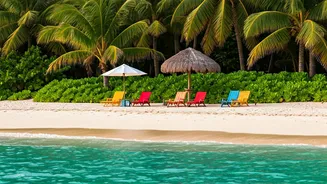
Vietnam is a long, narrow country, so you can’t see it all in one trip. Your island-hopping adventure will likely be based in either the North or the South. Starting in the North (fly into Hanoi) gives you access to the iconic UNESCO World Heritage site of Ha Long Bay and its less-crowded neighbours, Bai Tu Long Bay and Lan Ha Bay. This area is famous for its thousands of limestone islets and emerald waters. Starting in the South (fly into Ho Chi Minh City) opens up the tropical paradise of Phu Quoc and the remote Con Dao archipelago. This region is all about classic sandy beaches, swaying palm trees, vibrant coral reefs for snorkelling, and a more laid-back island vibe.
The Southern Route: Phu Quoc and Beyond
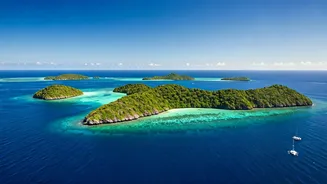
For a classic beach holiday, the South is your best bet. From Ho Chi Minh City, a quick one-hour flight (often under ₹3,000) takes you to Phu Quoc, Vietnam’s largest island. While Phu Quoc itself has developed resorts, its true magic lies in its southern An Thoi archipelago. From the main port, you can hire a private boat for the day or join a group tour for a fraction of what you’d pay in Thailand. These trips let you hop between tiny, often uninhabited islands like Hon Mot, Hon May Rut, and Hon Mong Tay for swimming, snorkelling, and fresh seafood lunches on the boat. The key to spontaneity here is simply showing up at the pier and negotiating with local boat captains, bypassing expensive pre-booked tours.
The Northern Route: Mystical Bays
The North offers a different kind of island hopping. Instead of sandy beaches, you're navigating a maze of towering limestone cliffs. While most tourists opt for an overnight cruise in Ha Long Bay, the spontaneous traveller can do it cheaper. From Hanoi, take a bus to Cat Ba Island, the largest island in the bay. From there, you can book day trips or hire smaller boats to explore the far quieter Lan Ha Bay. You can kayak through caves, visit floating fishing villages, and find secluded coves without the crowds of the main bay. This approach gives you more control and is significantly cheaper than the all-inclusive cruise packages sold in Hanoi.
Decoding 'Super Cheap': A Budget Guide
So, what does 'super cheap' actually mean? Let’s break it down. Comfortable and clean hostel dorms or private rooms in guesthouses can be found for ₹800–₹2,000 per night. A delicious and filling meal of Pho or Banh Mi from a street vendor will set you back less than ₹200. A local beer costs around ₹50. The crucial part—transport between islands—is also incredibly affordable. Public ferries between the mainland and major islands like Phu Quoc or Cat Ba can cost as little as ₹500. A full-day group boat trip with lunch included might cost between ₹1,500–₹2,500. When you add it all up, you can comfortably travel on a budget of ₹3,000–₹4,000 per day, making it one of the most cost-effective beach destinations in the world for Indians.