





Create a Daily Food Budget
One of the most effective strategies is to decide on a daily spending limit before you even arrive. The rising cost of essentials, from vegetables to pulses, means household budgets are already stretched, making pre-planning crucial for festival expenses.
A daily budget helps you track your spending and resist impulse buys. Consider using cash for your food purchases to make your spending more tangible, or use a separate digital wallet to keep festival funds apart from your regular accounts. Some banking apps even allow you to set daily spending caps. A realistic budget for festival food can range significantly, but many attendees aim for a manageable amount that allows for one or two vendor meals per day. Planning this in advance prevents the shock of an empty wallet at the end of the event.
Eat a Meal Before You Go
Arriving at the festival with a full stomach is a simple yet powerful way to cut down on costs. Having a hearty breakfast or lunch at home can curb your initial hunger and reduce the temptation to buy the first thing you see. This doesn't mean you have to skip the festival food entirely; it just means you can be more selective. Instead of buying three or four meals throughout the day, you can focus your budget on one special dish you really want to try. This approach allows you to enjoy the unique culinary offerings without relying on pricey vendors for every single meal.
Pack Smart, Permitted Snacks
Many festivals have strict rules about bringing outside food, but most allow small, sealed snacks. Always check the festival's official website for their specific policy before you pack. If permitted, bringing your own non-perishable items like granola bars, dried fruit, nuts, or crackers is a fantastic way to handle cravings between meals. These small bites can keep your energy up and prevent you from spending on overpriced nibbles. Even if you're camping, simple items that don't require cooking can cover breakfasts and snacks, significantly reducing your overall food bill.
Hydrate Wisely with a Reusable Bottle
The cost of bottled water at festivals can add up surprisingly quickly. A non-negotiable money-saving tip is to bring an empty reusable water bottle. Most festivals provide free water refilling stations, and taking advantage of them is key to staying hydrated without constantly spending. Given that a single bottle of water can be expensive, refilling your own can save you a significant amount over the course of a weekend. Before you go, confirm that empty bottles are allowed, as rules can vary between events.
Survey the Scene and Share Dishes
Don't just buy from the first food stall you see. Take a walk around the venue to survey all the options and compare prices. You might find that vendors further from the main stage offer more reasonable rates. Another great strategy, especially when you're with friends, is to share larger dishes. Instead of everyone buying their own meal, you can buy a few different items and sample them together. This approach lets you taste a wider variety of festival foods for a fraction of the cost. It’s a social and budget-friendly way to enjoy the culinary landscape.
Look for Value and Local Favourites
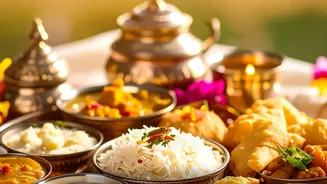
While gourmet festival food is a highlight, there are often simpler, more affordable options available that are just as satisfying. In India, local favourites like thalis or street food-style snacks sold at stalls can be much cheaper than international cuisine aimed at tourists. Some festivals may even have initiatives with vendors to offer meal deals at a fixed, lower price. Keep an eye out for these opportunities. Choosing a hearty, filling meal over a smaller, trendier snack can also provide better value for your money and keep you energised for longer.