





A Drier End to the Monsoon
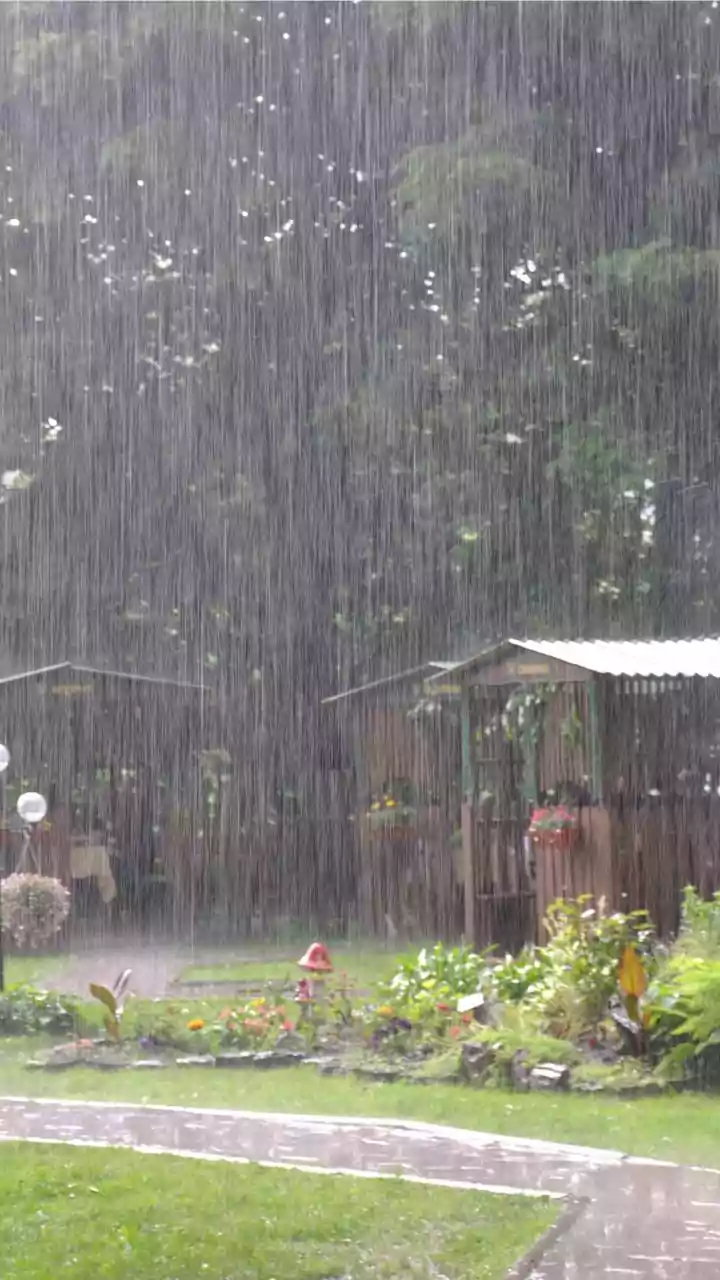
The IMD's long-range forecast for August and September 2026 indicates that rainfall for the country as a whole is likely to be below the Long Period Average (LPA). This comes after a period of uneven rainfall distribution, with some regions experiencing
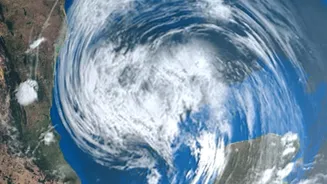
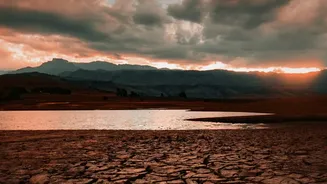
heavy downpours while others remained dry. The projection for below-normal rain is largely influenced by the strengthening of El Niño conditions in the Pacific Ocean, a phenomenon typically associated with weaker monsoons in India. While some parts of peninsular and central India might still see normal rainfall, the broader national picture suggests a drier end to the season, raising concerns for agriculture and water reservoirs.
The Move to Micro-Forecasting
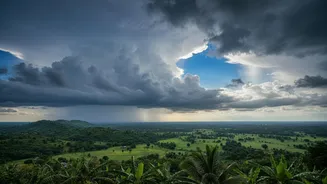
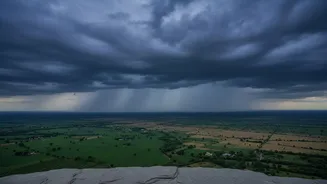
For decades, monsoon forecasts were broad, covering large sub-divisions. However, rainfall can vary dramatically within a single district. One part might be flooded while another remains parched. Recognizing this, the IMD has been making a significant push towards hyper-local forecasting. The goal is to provide weather predictions not just at the district level, but even down to the block level. This shift acknowledges that a one-size-fits-all forecast is insufficient for a country with diverse agricultural needs and weather patterns. Providing more precise, localized information is becoming critical for effective planning.
A Game-Changer for Farmers
The primary beneficiaries of this granular data are India's farmers. Accurate block-level forecasts can transform agricultural practices from being reactive to predictive. With precise information on when and how much it will rain in their specific area, farmers can make crucial decisions about sowing times, crop selection, and irrigation needs. This is especially vital in rain-fed agricultural zones. For instance, knowing there will be a dry spell in the next two weeks could allow a farmer to delay sowing, preventing seed loss, or to plan for irrigation. This level of detail helps reduce crop losses and improve water management.
Technology Driving the Change
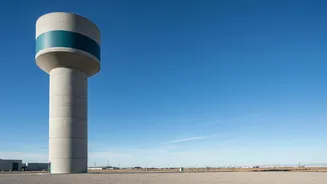
This evolution in forecasting is powered by significant technological advancements. The IMD is expanding its network of Doppler Weather Radars and Automatic Weather Stations, which provide real-time, high-resolution data. Furthermore, the use of a Multi-Model Ensemble (MME) forecasting system, which combines outputs from various global climate models, has enhanced accuracy. Artificial intelligence and machine learning are also being integrated to analyse vast datasets and identify localised weather patterns more effectively, complementing traditional physics-based models. This combination of hardware and software is making village-level predictions an achievable goal.
Beyond the Farm
The implications of hyper-local forecasts extend well beyond agriculture. Urban planners and municipal corporations can use this data to prepare for intense rainfall events, which can cause flash floods in cities. Disaster management agencies can issue more targeted warnings, evacuating specific vulnerable areas rather than entire districts. Accurate weather data is also crucial for managing water resources in reservoirs and for the power sector, which relies on hydropower and manages grid loads based on temperature and weather. As extreme weather events become more common, this level of precision is essential for building climate resilience.
Challenges on the Horizon
While the move towards block-level forecasting is a major step forward, challenges remain. Achieving and maintaining accuracy at such a small scale is incredibly complex. The variability of weather systems, particularly during a volatile monsoon season, means that not all forecasts will be perfect. Ensuring that these detailed forecasts are not just generated but also disseminated effectively to every last village is a significant logistical hurdle. It requires robust communication channels and a system to translate complex meteorological data into simple, actionable advice for end-users. The journey to perfect hyper-local forecasting is ongoing, but the foundation is clearly being laid.