





The Tyranny of the Tick-Box
We’ve all felt the pull of ‘checklist tourism’. It’s the desire to conquer a destination by seeing all its famous landmarks, collecting experiences like trophies. In the age of social media, this impulse is stronger than ever. A trip can feel like a performance
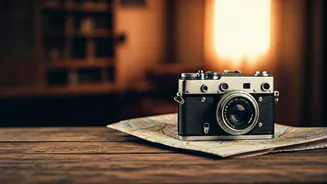
for our followers rather than a personal break, with a significant number of travellers admitting to seeking out 'Instagram-worthy' spots. This approach is often driven by a Fear of Missing Out (FOMO), where the goal is to replicate the perfect photos we see online. The result? We often return home more exhausted than when we left, with a camera roll full of photos but a distinct feeling that we missed something profound. The travel industry has become expert at packaging this staged authenticity, making it easy to consume a place without ever truly experiencing it.
The Gentle Rebellion of Slow Travel
There's a growing movement offering an alternative: slow travel. This philosophy rejects the idea that travel is a race against time. It's not about seeing less; it's about experiencing more by doing things with intention. Instead of hopping between five cities in a week, a slow traveller might spend that entire time in one town or region. The goal shifts from quantity to quality, from seeing to being. This approach encourages staying in locally-owned accommodations, shopping at neighbourhood markets, and taking the time to understand the rhythm of a place. It means leaving room in your schedule for spontaneity—for a chance conversation with a shopkeeper or an unplanned afternoon spent people-watching in a park.
Embracing the Immersive Journey
Immersive travel takes this a step further, transforming a trip from a passive viewing into active participation. It's about connecting with a place on a deeper level by engaging with its culture, people, and traditions. This could mean taking a cooking class with a local family, learning a few phrases of the language, or volunteering for a community project. These experiences foster genuine cultural exchange and understanding, challenging our preconceptions and broadening our perspective. Supporting local communities and their economies is a key benefit, ensuring that your visit has a positive impact. By seeking out these authentic connections, you not only enrich your own journey but also help preserve the unique cultures you've come to experience.
Travel With a Purpose
Another way to break free from the checklist is to travel with a personal theme or purpose. Instead of a list of places, create a list of experiences that align with your passions. Are you a foodie? Plan a trip dedicated to exploring a region's culinary landscape, from street food stalls to fine dining. Are you an art lover? Design an itinerary around visiting galleries, artist studios, and street art murals. You could also focus on wellness with a yoga retreat, or on learning a new skill like surfing or pottery. This reframes the entire trip around personal growth and satisfaction. The journey is no longer about what you can see, but about who you can become. The memories you make will be tied to a sense of accomplishment and genuine joy.
The Real Flex is the Story You Bring Back
In the end, the most impressive travel 'flex' isn’t the perfectly curated photo, but the story that comes with it. It’s the unexpected kindness from a stranger, the challenge you overcame, or the quiet moment of awe that no camera could ever capture. These are the souvenirs that don’t fade. They become a part of you, shaping your understanding of the world and your place in it. This kind of travel doesn't just give you a break from your life; it adds to it in meaningful, lasting ways. You return home not just with pictures, but with new perspectives, skills, and connections. That feeling of enrichment is a reward that no number of social media likes can ever match.