


Bringing a tropical plant home is like capturing a piece of the lush, vibrant outdoors. But ensuring they thrive, not just survive, comes down to one crucial factor: placement. Getting the light and location right is everything.
Reading the Light in Your Home
Before you place any plant,
you need to become an observer of light. Most tropical plants evolved under the canopy of larger trees, meaning they love brightness but can't handle the harsh, direct sun that scorches their leaves. In a typical Indian home, this translates into different zones. South and west-facing windows or balconies get the most intense, direct afternoon sun. East-facing spots receive gentler morning sun, while north-facing windows offer consistent but less intense indirect light. Bright, indirect light is the gold standard for most tropicals. This is the light found a few feet away from a sunny window or in a room that is brightly illuminated all day without direct sunbeams hitting the leaves.
For Sun-Drenched Balconies and Terraces
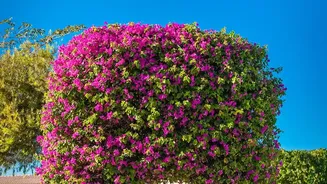
Some plants are true sun-worshippers and are perfect for those spots that get more than six hours of direct sun. These are ideal for open terraces and south-facing balconies. Bougainvillea is a classic Indian garden staple that blooms more profusely with heat and sun. Similarly, Hibiscus (Gurhal) and Pride of India are hardy choices that need at least six hours of direct sun to produce their vibrant flowers. Succulents and cacti are also excellent options for hot, sunny spots as they are naturally adapted to arid conditions and high temperatures. These plants are drought-tolerant and require minimal watering, making them very low-maintenance choices for the hottest parts of your garden.
The Sweet Spot: Bright, Indirect Light
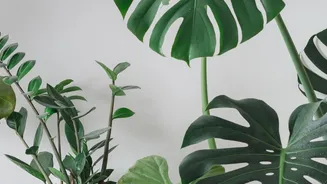
This is where the majority of popular indoor tropical plants feel most at home. Locations near an east-facing window or in a well-lit room away from the direct sun's path are perfect. Plants like Monstera Deliciosa, with its iconic split leaves, and various Philodendrons thrive here. Anthuriums, known for their glossy, colourful spathes, and Alocasias also prefer these conditions to avoid leaf burn. These plants bring a lush, jungle-like feel indoors. They enjoy the brightness to fuel their growth but rely on that gentle filtering of light to protect their foliage, mimicking their natural habitat on the forest floor.
Beautifying Low-Light Corners
Every home has them: a dim hallway, a north_facing room, or a corner far from any window. Don't despair, as some hardy plants can tolerate these lower light levels. The Snake Plant (Sansevieria) and the ZZ Plant (Zamioculcas zamiifolia) are champions of low_light situations. They are famously low_maintenance and can survive with minimal natural light. Pothos (Money Plant) is another versatile option; its trailing vines can grow well in a variety of light conditions, including shade. While these plants tolerate low light, they won't grow as quickly as they would in brighter spots. The biggest risk in these areas is overwatering, as the soil will take much longer to dry out.
Adapting to India's Unique Climate