




Plan Like Your Safety Depends On It
Spontaneity is a travel luxury you cannot afford during the monsoon in the mountains. Meticulous planning is your first line of defence. Before you even pack your bags, become a diligent student of the weather. Check the India Meteorological Department
(IMD) website and other reliable weather apps for daily forecasts and warnings for your specific destination. Pay close attention to any orange or red alerts, which signal a high probability of severe weather. During August, for instance, regions like Himachal Pradesh, Uttarakhand, and Jammu and Kashmir often experience widespread heavy rainfall. It’s crucial to have a flexible itinerary with buffer days built in. Heavy rain can cause sudden road closures, and you may need to delay or alter your plans with little notice. Also, share your detailed itinerary with a trusted friend or family member and schedule regular check-ins.
Prep Your Vehicle and Pack Smart
If you are driving, your vehicle's condition is paramount. Ensure your tyres have adequate tread, your brakes are in top shape, and your wipers are working effectively. Fill your fuel tank whenever you pass through a major town, as the next petrol pump on a mountain road could be many kilometres away, possibly on a blocked route. For packing, think practical, not fashionable. A high-quality raincoat or poncho is non-negotiable, as an umbrella is often useless against strong mountain winds. Pack quick-drying clothes made from synthetic fabrics instead of cotton. Your essentials list must include sturdy, waterproof footwear with excellent grip, a powerful torch or headlamp, a fully charged power bank, and a basic first-aid kit with personal medications. Waterproofing your belongings is crucial; use dry bags or zip-lock pouches for electronics, documents, and clothes.
Navigating Treacherous Roads
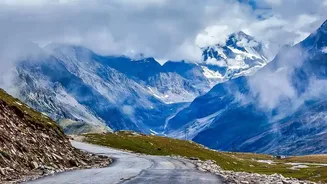
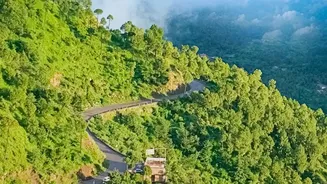
Driving on mountain roads during heavy rain demands your full concentration. Reduce your speed significantly—a good rule is to drive at about two-thirds of the normal speed. Maintain a greater distance from the vehicle in front of you and avoid sudden braking or sharp turns, which can cause you to skid on slippery surfaces. Keep both hands on the steering wheel and minimise distractions. One of the biggest dangers is waterlogged roads and flooded bridges. Never attempt to drive through moving water, as the current can be much stronger than it appears and can sweep your vehicle away. Be particularly cautious of other vehicles, especially larger ones like trucks and buses, which can be difficult to control in strong crosswinds. It is wisest to avoid driving at night altogether, as visibility is severely reduced and hazards like fallen rocks or landslides are harder to spot.
Recognising and Reacting to Natural Dangers
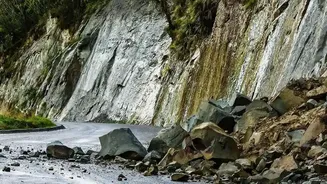
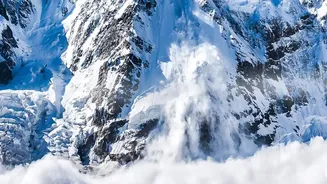
Landslides and flash floods are the most significant threats during mountain travel in the monsoon. These events can happen with very little warning. Be vigilant for signs of a potential landslide, which include new cracks in the soil, tilting trees or poles, and the sound of rumbling debris. Flash floods are rapid rises in water levels in rivers and streams, often triggered by intense cloudbursts upstream. Avoid camping or stopping too close to riverbanks, as water levels can rise dangerously fast. If you are caught in a flash flood warning, immediately move to higher ground. Do not attempt to cross streams or walk through floodwater. If you are trapped in a car surrounded by rising water, it is often safer to stay inside and call for help; only get onto the roof as a last resort. In any emergency, follow the instructions of local authorities and listen to local news for updates. Tourists in states like Himachal Pradesh can dial 1077 for emergency assistance.